Building an online marketplace is easier when the platform fits your sellers, products, payments, and growth plans from the start.
CS-Cart works for many multi-vendor stores. But some teams need more control over design, app connections, hosting, licensing, or long-term ownership.
Others may prefer a simple SaaS setup, a WordPress-based marketplace, or an open-source eCommerce framework that developers can adjust for real workflows.
If you are still planning the basics, you can also read this guide on how to create an online marketplace.
This guide compares the 5 best CS-Cart alternatives for building online marketplaces: Bagisto, Shopify, WooCommerce, Dokan, and Sharetribe.
You will see where each platform fits best, what it offers, and which option suits B2B, B2C, service, rental, or multi-vendor models.
Quick Comparison of the Best CS-Cart Alternatives
Here is a quick view of the top CS-Cart alternatives before we look at each platform in detail.
| Platform | Type | Technology | Best For | Open Source | Key Strength |
| Bagisto | eCommerce framework | Laravel, Vue.js | Custom B2B, B2C, and multi-vendor marketplaces | Yes | Open-source flexibility and custom build |
| Shopify | SaaS eCommerce platform | Cloud-based | Fast marketplace setup with apps | No | Hosted setup and easy store management |
| WooCommerce | WordPress eCommerce platform | PHP, WordPress | Content-led stores and small marketplaces | Yes | Large plugin ecosystem and SEO control |
| Dokan | Marketplace plugin | WooCommerce, WordPress | WooCommerce-based multi-vendor stores | No | Vendor dashboards and commission tools |
| Sharetribe | Marketplace platform | Ruby on Rails | Service, rental, and peer-to-peer marketplaces | No | Marketplace-first setup for faster launch |
Why Consider a CS-Cart Alternative?
CS-Cart gives teams a ready marketplace setup, but every business does not need the same type of platform.
Some teams need more control over code, sellers, payments, products, app connections, and long-term platform costs such as licensing.
Others may want a hosted platform where they can manage products, orders, and sellers without handling server work.
Many businesses compare CS-Cart alternatives before starting a new marketplace. Others do it when their current setup becomes hard to change or scale.
A better platform choice can support seller onboarding, order management, vendor dashboards, buyer experience, and future growth.
How We Chose These Marketplace Platforms
As multi-vendor ecosystem developers, we looked at practical infrastructure needs that matter when building and running an online marketplace, not just surface-level feature lists.
The main factors include seller tools, ease of setup, speed, security, app connections, growth support, and room for custom work.
We also checked where each platform fits best, such as B2B commerce, B2C stores, service marketplaces, rental models, and peer-to-peer selling.
This makes the comparison useful for founders, agencies, developers, and business teams planning a multi-vendor marketplace.
5 Best CS-Cart Alternatives for Online Marketplaces
Below are five CS-Cart alternatives that can help you build, manage, and grow online marketplaces with different levels of control and setup effort.
1. Bagisto
Category: Open-source eCommerce framework
Technology: Laravel, Vue.js
Best for: Custom B2B, B2C, and multi-vendor marketplace development
Bagisto is an open-source Laravel eCommerce framework that also provides a multi-vendor marketplace.
It is a strong option for teams that want full control over marketplace design, seller workflows, app connections, and business rules.
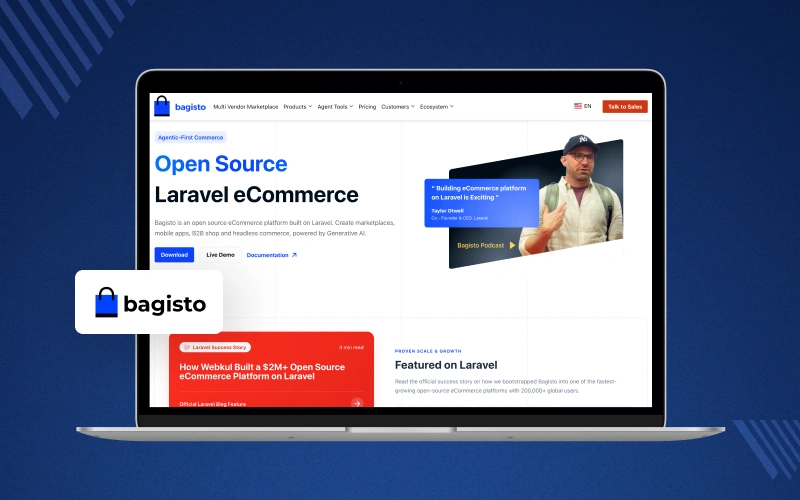
Bagisto supports multi-channel selling, inventory management, localization, APIs, and extensions for marketplace features.
It fits businesses that need a custom commerce platform instead of a fixed SaaS setup with limited backend control.
- Open-source Laravel-based architecture
- Multi-channel and multi-inventory support
- Headless and API-first commerce support
- Marketplace extension support
- Flexible product, order, and customer management
Choose Bagisto if your team needs open-source control, custom workflows, and long-term freedom in marketplace development.
You can also explore Bagisto development services for custom marketplace planning, setup, and development.
2. Shopify
Category: SaaS eCommerce platform
Technology: Cloud-based
Best for: Businesses that want a hosted platform with faster setup
Shopify is a hosted commerce platform used by many brands and online retailers.
It is not a native multi-vendor marketplace platform. But businesses can add marketplace features through third-party apps and integrations.
For Shopify stores, Multi Vendor Marketplace for Shopify can help add seller registration, vendor management, product handling, and marketplace workflows.
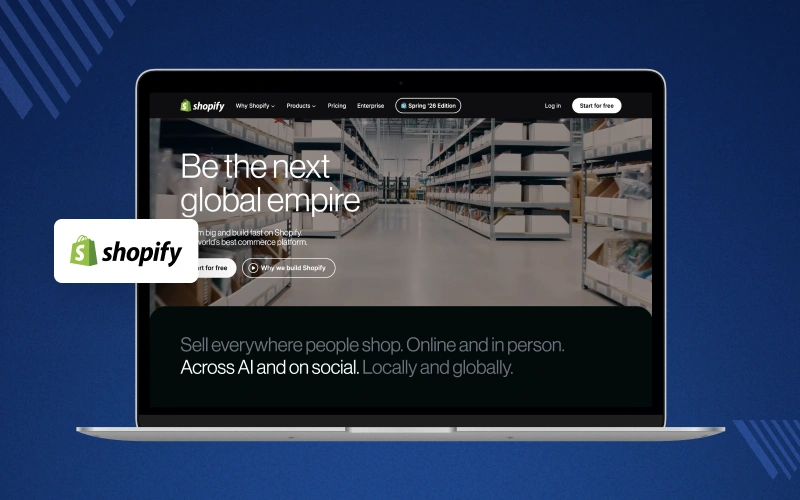
Shopify works well when the main goal is to launch fast, manage hosting easily, and use a wide app ecosystem.
It may be less suitable when a business needs deep backend changes or very specific seller workflows.
- Fully hosted infrastructure
- Large app and theme ecosystem
- Secure payment support
- Easy product and order management
- Marketplace features through apps
Choose Shopify if you want a simple hosted setup and are comfortable using apps to add marketplace features.
3. WooCommerce
Category: WordPress eCommerce platform
Technology: PHP, WordPress
Best for: WordPress users, content-led stores, and smaller marketplaces
WooCommerce is a flexible eCommerce platform built for WordPress websites.
With marketplace plugins, WooCommerce can support seller sign-ups, vendor products, commissions, payments, and order management.
For WooCommerce stores, the WooCommerce Multi Vendor Marketplace plugin can help store owners create a marketplace with vendor profiles, product management, and order handling.
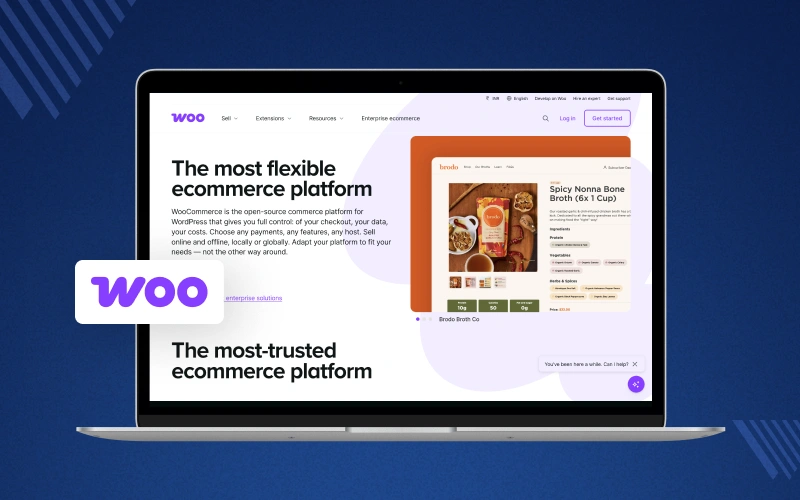
It is useful for businesses that already use WordPress for content, SEO, landing pages, and online selling.
WooCommerce gives good flexibility. But speed and stability depend on hosting, plugin quality, and technical setup.
- Strong WordPress integration
- Large plugin and theme ecosystem
- SEO-friendly content structure
- Flexible product management
- Marketplace support through plugins
Choose WooCommerce if your website is already on WordPress and you want to add marketplace features without changing your CMS.
4. Dokan
Category: Multi-vendor marketplace plugin
Technology: WooCommerce, WordPress
Best for: WooCommerce stores that need ready multi-vendor features
Dokan is a marketplace plugin that turns WooCommerce stores into multi-vendor selling platforms.
It gives sellers their own dashboards and helps store owners manage commissions, product approval, shipping, taxes, and seller activity.

Dokan is useful when a business wants to stay inside the WooCommerce ecosystem but needs stronger vendor management.
It is a practical option for niche marketplaces, local sellers, small product marketplaces, and community-led commerce websites.
- Vendor-specific dashboards
- Commission management
- Product approval workflows
- Shipping and tax settings
- Seller reports and analytics
Choose Dokan if you want a WooCommerce-based marketplace plugin with ready seller tools and vendor management features.
5. Sharetribe
Category: Marketplace platform
Technology: Ruby on Rails
Best for: Service, rental, booking, and peer-to-peer marketplaces
Sharetribe is built for businesses that want to launch marketplace ideas with less custom development at the start.
It works well for service marketplaces, rental platforms, booking-based models, and peer-to-peer marketplace projects.
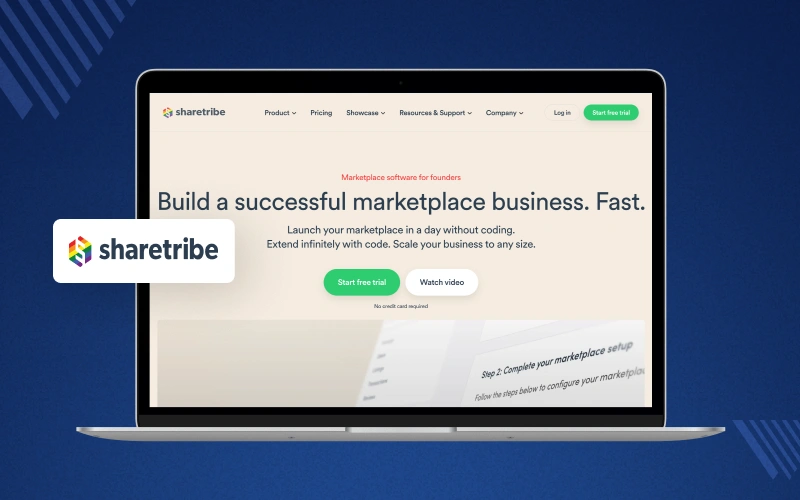
Sharetribe focuses on marketplace workflows such as listings, users, transactions, bookings, and payments.
It is a good fit when speed matters more than building every marketplace feature from scratch.
- Marketplace-ready templates
- Support for listings and transactions
- Booking and rental workflows
- Secure payment support
- API-based customization options
Choose Sharetribe if you want to launch a service, rental, or peer-to-peer marketplace without starting from a blank setup.
Which CS-Cart Alternative Should You Choose?
The best choice depends on your business model, technical team, need for custom work, and how much control you want.
- Choose Bagisto for open-source marketplace development, custom workflows, and long-term platform ownership.
- Choose Shopify for a hosted setup where speed, ease of use, and app-based extensions matter more.
- Choose WooCommerce if you already use WordPress and want a flexible base for eCommerce and content.
- Choose Dokan if you want to build a multi-vendor marketplace on top of WooCommerce.
- Choose Sharetribe if your marketplace is based on services, rentals, bookings, or peer-to-peer transactions.
For businesses that need deeper custom work, open-source control, and a developer-friendly base, Bagisto is one of the strongest CS-Cart alternatives.
Final Thoughts
CS-Cart is a useful marketplace platform, but it is not the only option for building an online marketplace.
Bagisto, Shopify, WooCommerce, Dokan, and Sharetribe each solve different marketplace needs.
If you need open-source control, Bagisto is a strong choice. If you want hosted simplicity, Shopify may work better.
WooCommerce and Dokan are practical for WordPress-based marketplaces. Sharetribe fits service, rental, and peer-to-peer marketplace models.
Before choosing a platform, map your seller workflows, catalog size, payment needs, app connections, and future growth plans.
If you have any questions, suggestions, or customization requests, feel free to contact us at [email protected] or submit a ticket at webkul.uvdesk.com.

Be the first to comment.