WooCommerce Marketplace Theme is a premium website design theme built to enhance multi-vendor stores with a modern, user-friendly interface.
Store owners can effortlessly customize their storefront to create a visually stunning shopping experience that perfectly reflects their brand identity.
Designed specifically for WooCommerce and multi-vendor marketplaces, this theme ensures effortless integration and smooth functionality without requiring coding expertise.
Whether for small businesses, fashion stores, or large online marketplaces, this theme provides the perfect balance of design and functionality to maximize online sales.
Features
- Fully responsive design for mobile, tablet, and desktop.
- One-click demo import for quick setup.
- Fully Compatible with WooCommerce Multi Vendor Marketplace
- Flexible homepage builder with custom sections.
- Product pages are made to boost sales.
- AJAX cart, quick view, and wishlist tools.
- Smart product search with easy filters.
- Ready for multi-vendor marketplace stores.
- Custom seller profile and vendor pages.
- Lightweight theme for fast loading speed.
- Easy changes with WordPress Customizer.
- Theme settings panel with Woomarketplace Widget Box Plugin.
Upload Theme – WooCommerce Marketplace Theme
Marketplace Theme for WooCommerce is a premium option that includes a downloadable file, making it easy for store owners to install and launch their online marketplace right after purchase.
Fortunately, the installation process is simple. Just follow these steps:
From your WordPress dashboard, navigate to Appearance → Themes → Add New, then click the Upload Theme button to get started.
Upload the ZIP file of the theme that you have downloaded and click on Install Now.
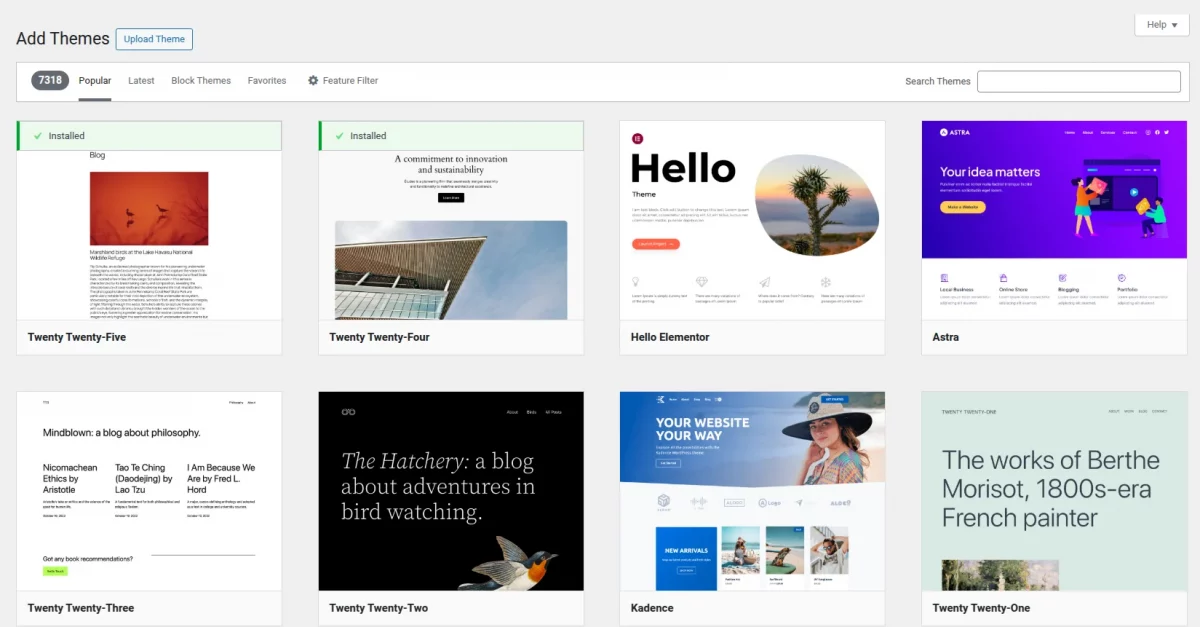
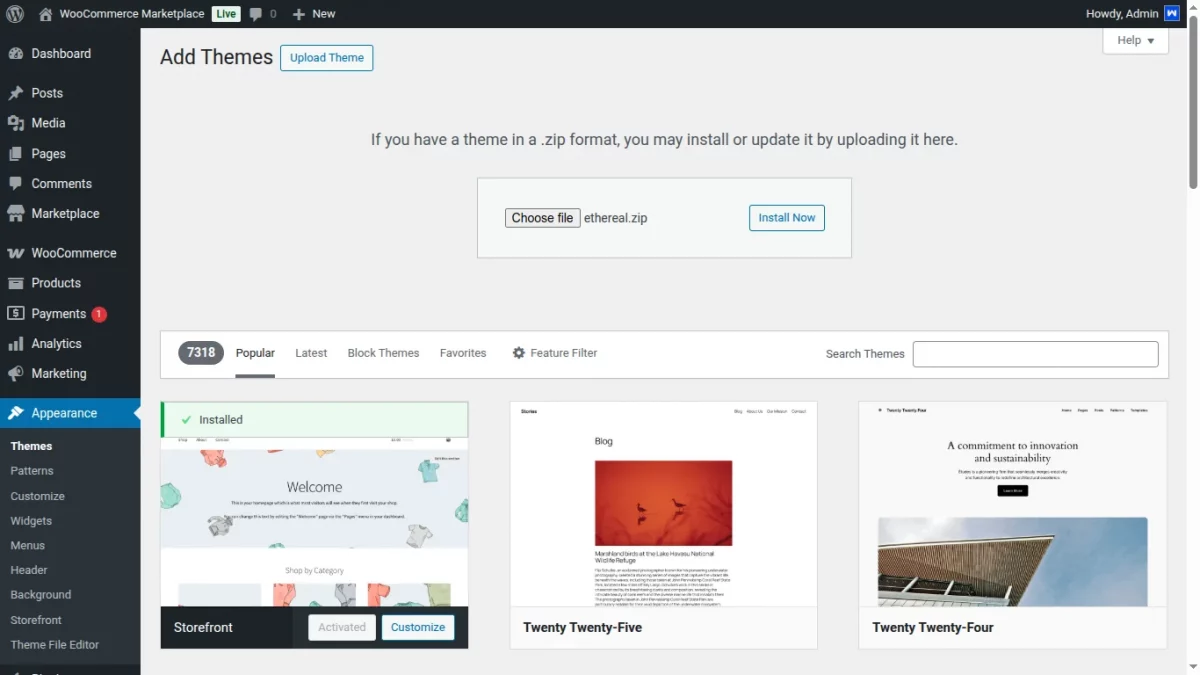
Click the Install Now button.
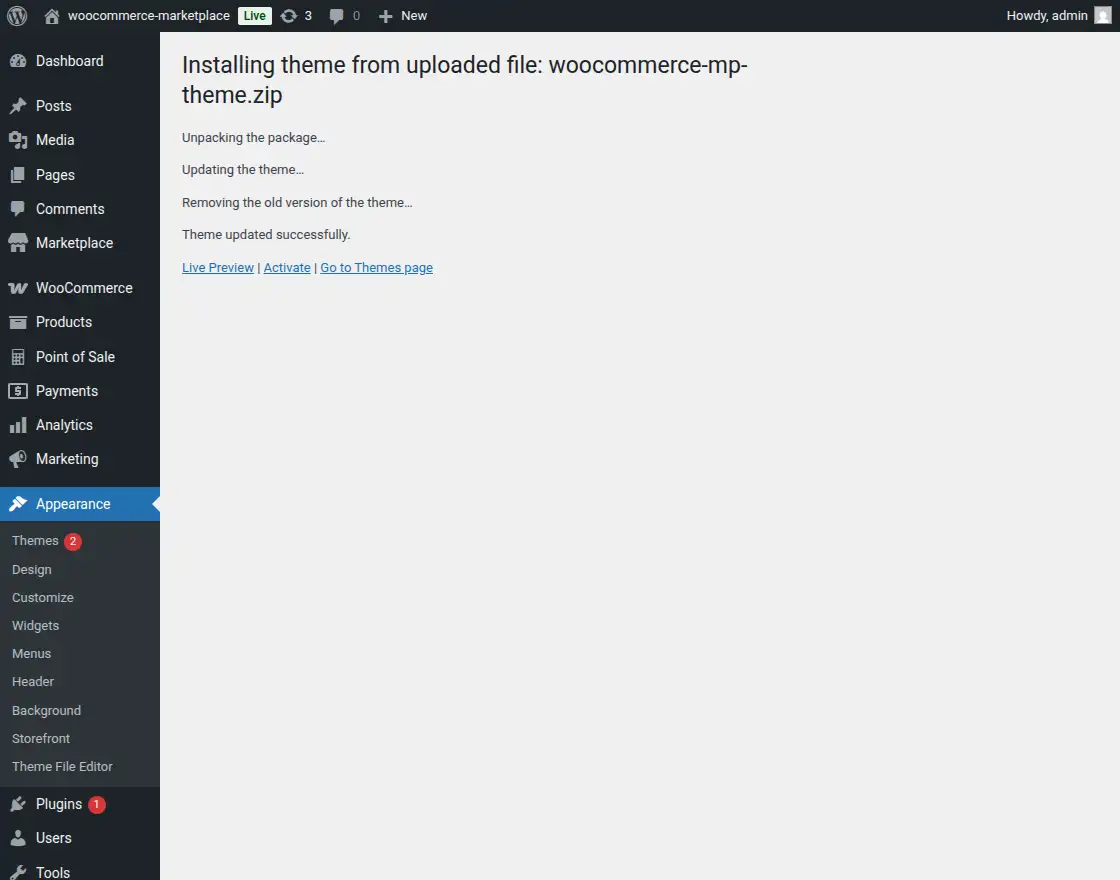
WordPress will automatically download and install the files.
Upload Theme By FTP Application / Program
Need to follow the steps:
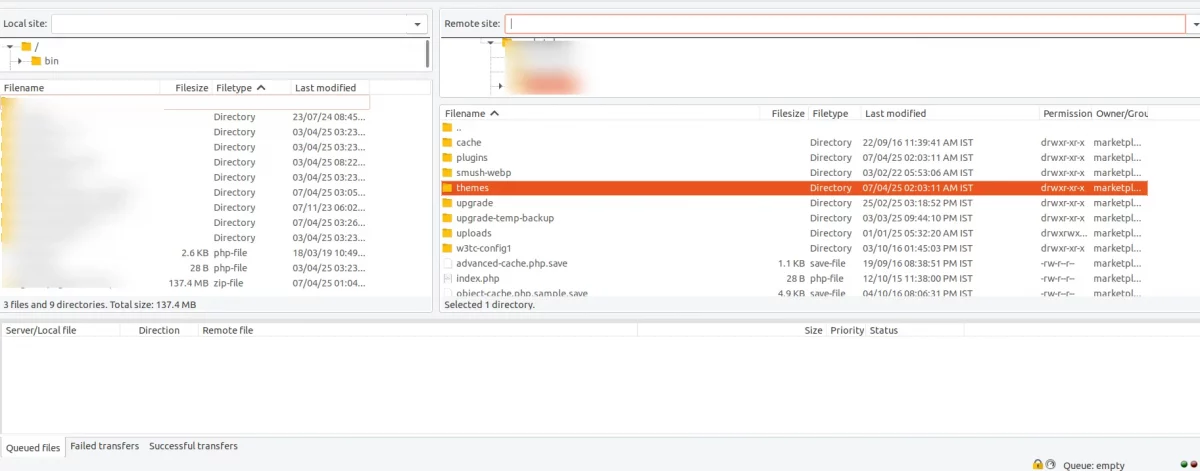
1. Open a FTP Application like FileZilla
2. Navigate your root dir
3. wp-content -> themes
4. Extract your theme zip under the “themes” folder
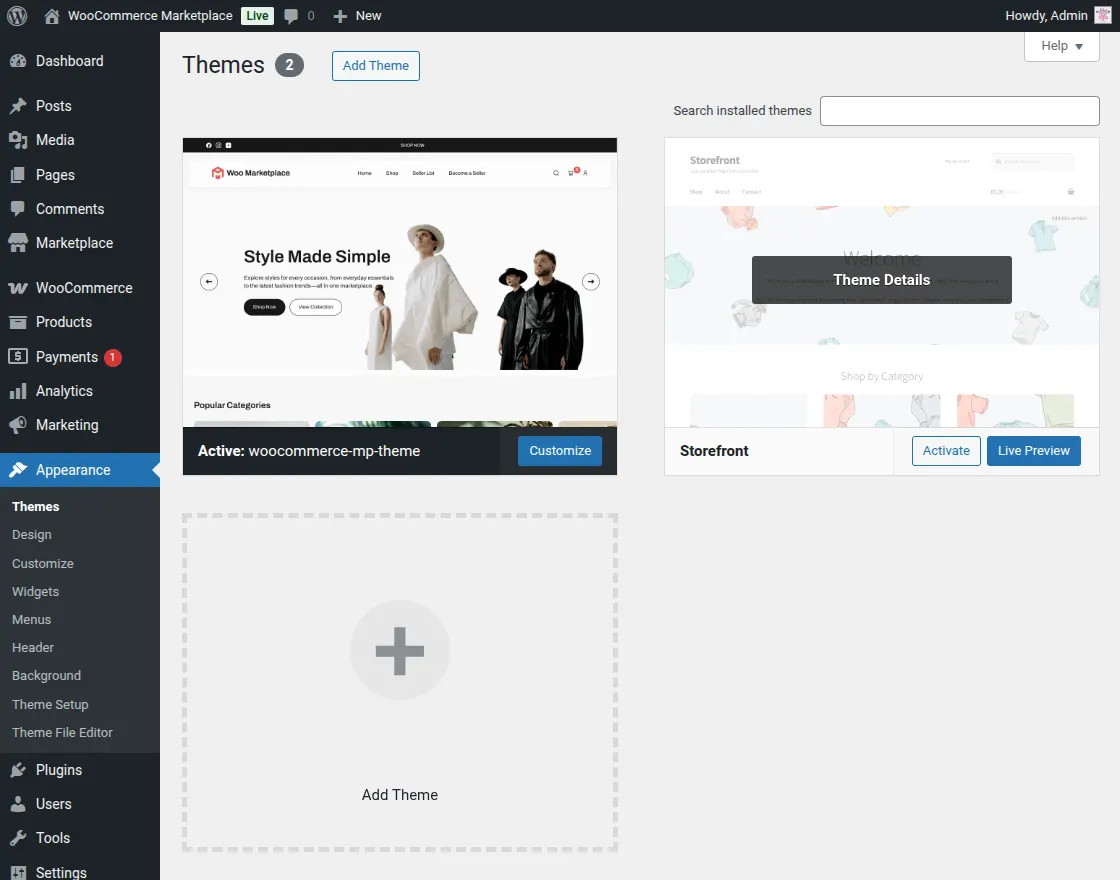
Theme Activation & Initial Setup
After installing the Marketplace WooCommerce Theme, follow these steps to activate and configure it properly:
1. Go to Appearance > Themes in your WordPress dashboard.
2. Locate Marketplace Theme.
3. Click Activate.
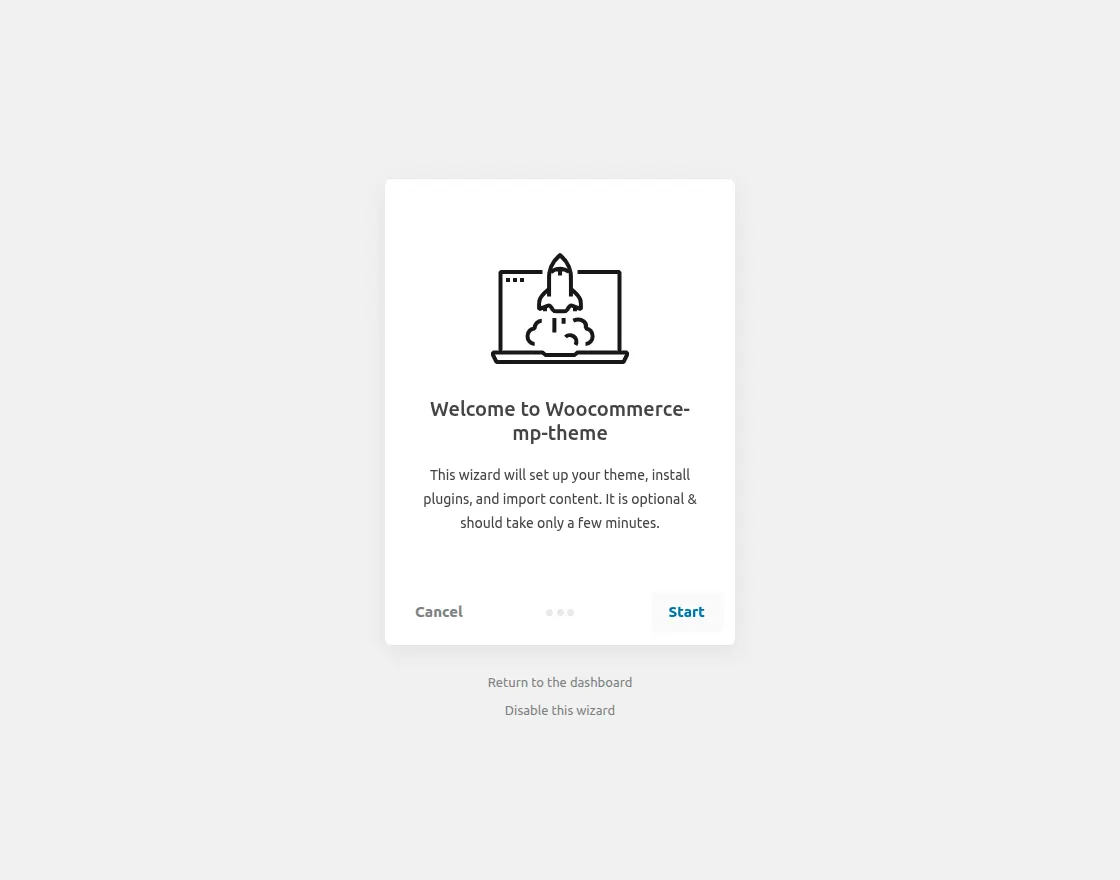
4. Once activated, the Theme Setup Wizard will launch automatically.
Click the Start button to begin the guided setup process.
The Setup Wizard helps you quickly configure essential settings and install recommended plugins.
Click Next to proceed through the setup steps.
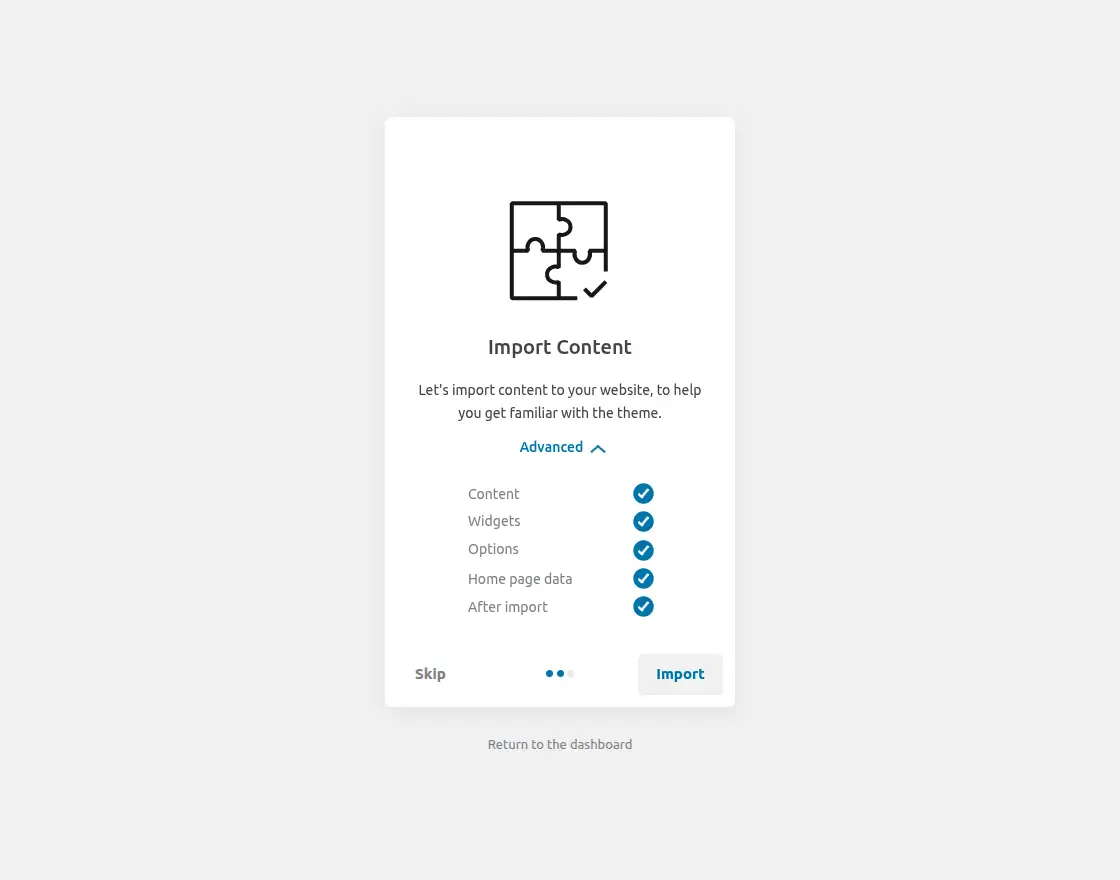
You will have the option to import demo content to replicate the preview layout of the theme.
Demo Import (Marketplace Theme)
There are two methods to import the demo content:
1. Automatic Import via Setup Wizard (Recommended)
During the initial setup, you can import the demo content using the built-in importer.
This method installs:
Required plugins
Demo pages
Theme settings
Sample products (if WooCommerce is installed)
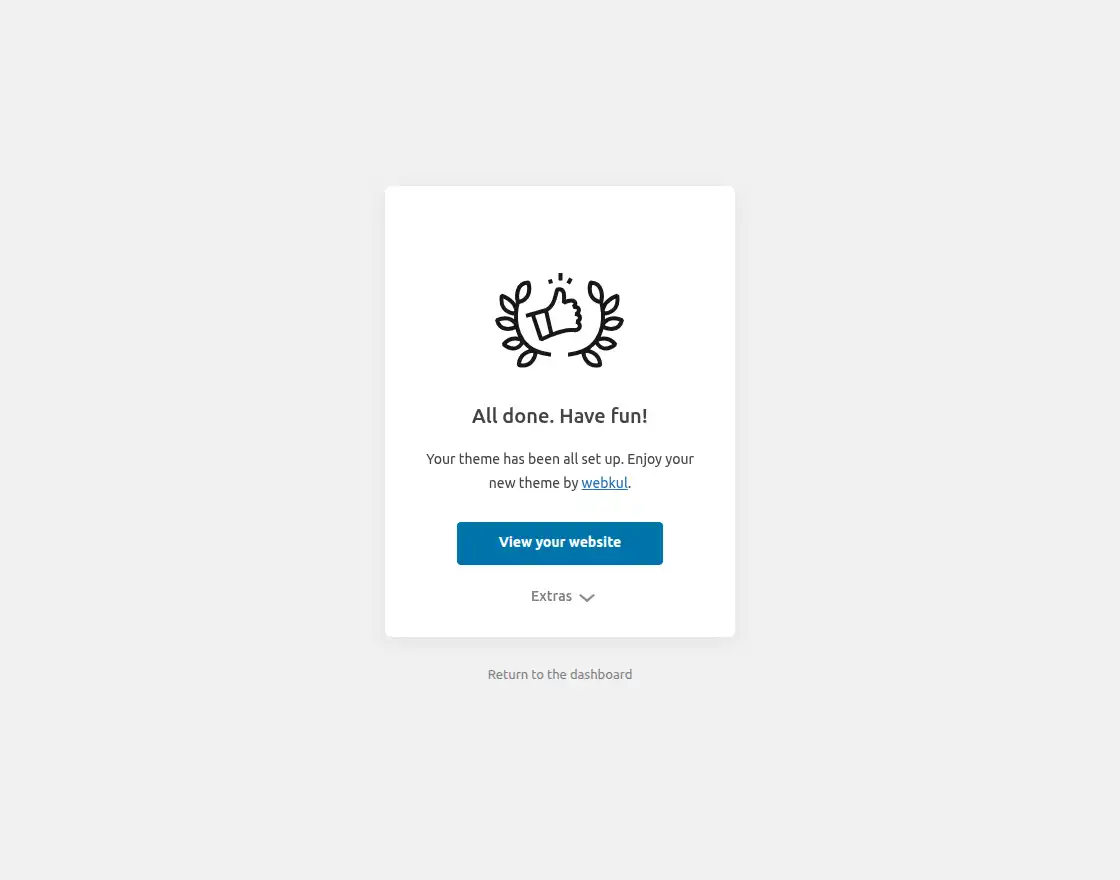
After completing the import process, click View Your Website to see your site with the imported demo layout.
2. Manual Import (If Setup Wizard Is Skipped)
If you skip the import step, you can manually import the demo content:
Go to Tools > Import
Click WordPress > Run Importer
Upload the XML file provided inside the theme’s demo folder
Assign authors and complete the import process
Installing & Managing Required Plugins
To ensure full functionality of the Marketplace theme, certain plugins are recommended.
WooCommerce (Required)
WooCommerce is the core plugin that transforms your WordPress website into a fully functional eCommerce store. It manages:
- Products
- Cart
- Checkout
- Payments
- Shipping
- Taxes
How to Install WooCommerce
1. Go to Plugins > Add New
2. Search for WooCommerce
3. Click Install Now
4. Click Activate
Woomarketplace Widget Box Plugin
Woomarketplace Widget Box Plugin enhances the theme functionality and adds support for important e-commerce features.
Features
- Home Page Components: Enables the creation of a home page based on given components.
- Variation Selection: Enables the use of different home page variations.
- Wishlist: Provides wishlist and wishlist sharing functionality to customers.
- Quick View: Enables the quick view functionality.
- Widgets: Provides important widgets for theme product filtering.
- Theme Settings: Provides theme settings functionality.
What Does WooCommerce Marketplace Theme Include?
The Marketplace theme’s menu bar enables effortless navigation and includes built-in tools that help customers find exactly what they are looking for.
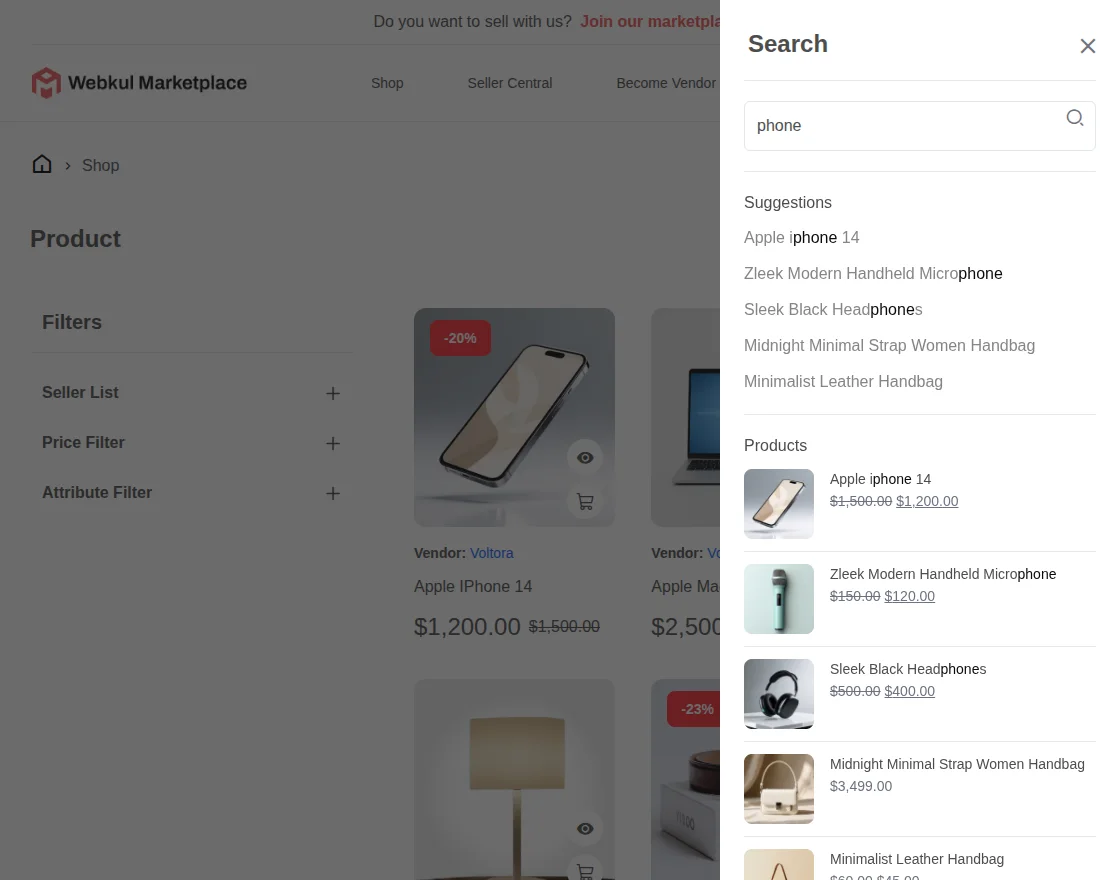
Smart Search: Users can search for specific products across the entire website.
As soon as customers interact with the search bar, the system displays their product suggestions to make shopping easier.
User Dashboard
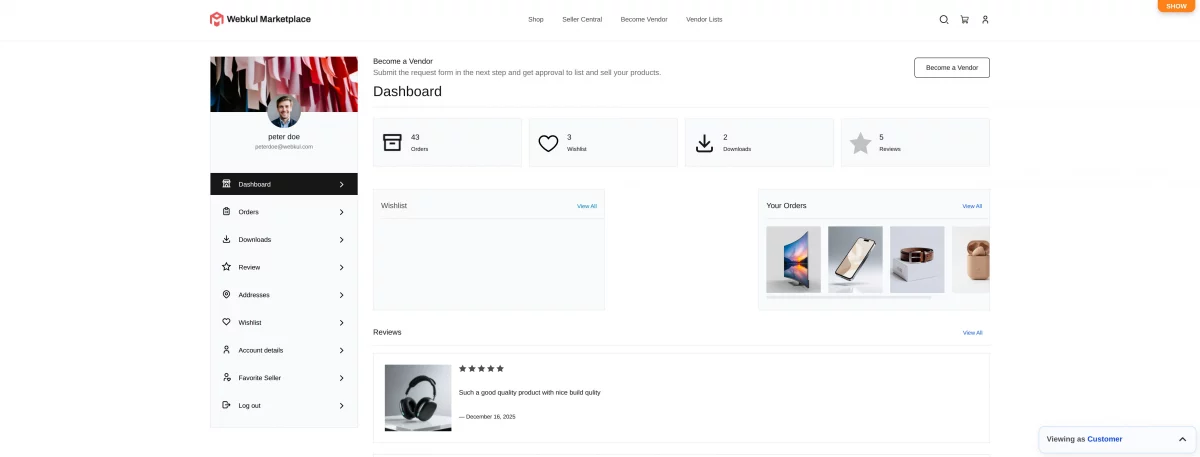
This Marketplace theme dashboard allows users to view their orders, wishlist, downloadable products, and submitted reviews, as shown in the images below.
Compare product
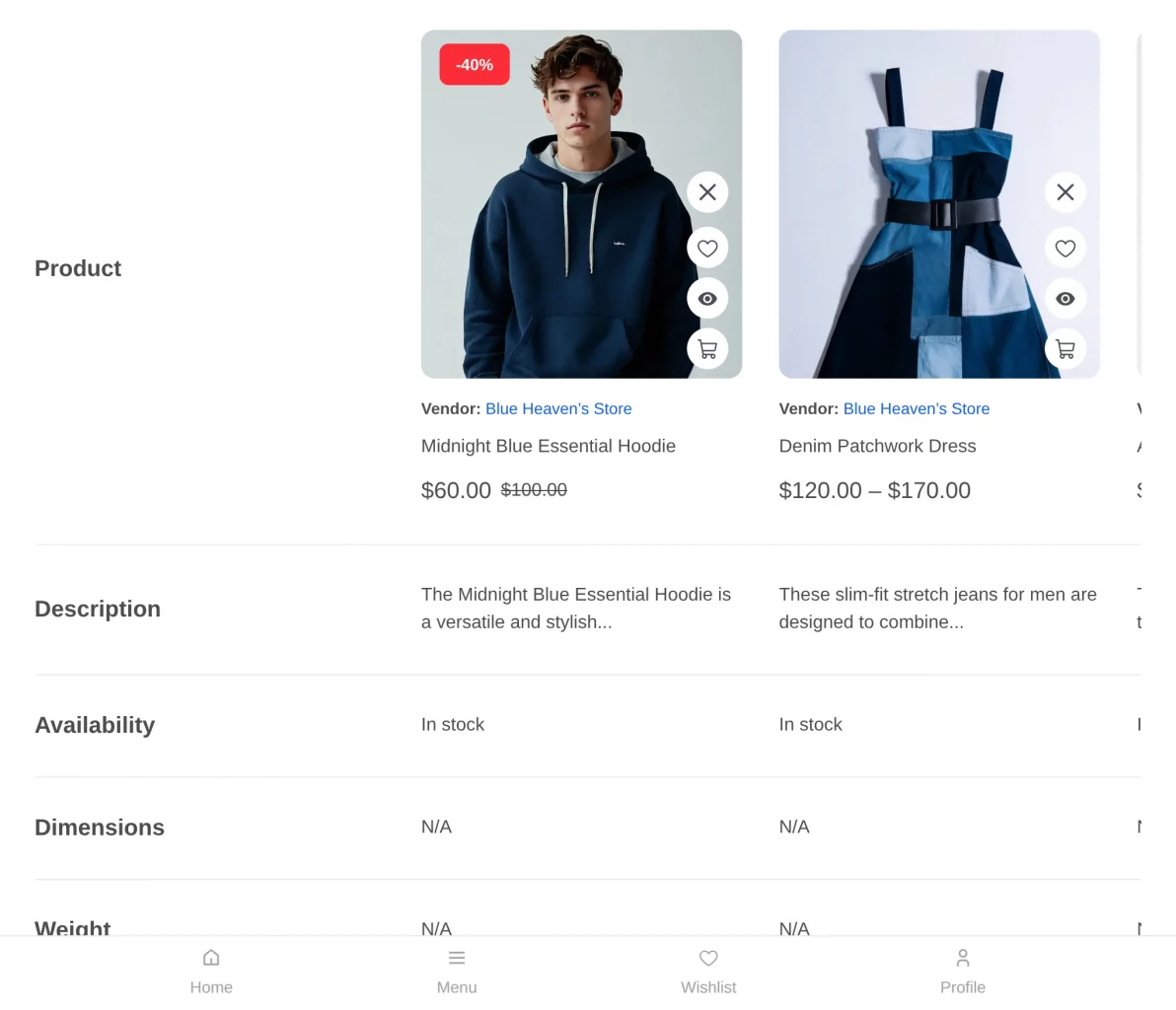
The single product page of the Marketplace theme for WooCommerce features a built-in Compare option, allowing users to add items for comparison easily.
The product is added to the compare page by simply clicking the arrow button, as shown in the image below.
Mini Cart Experience
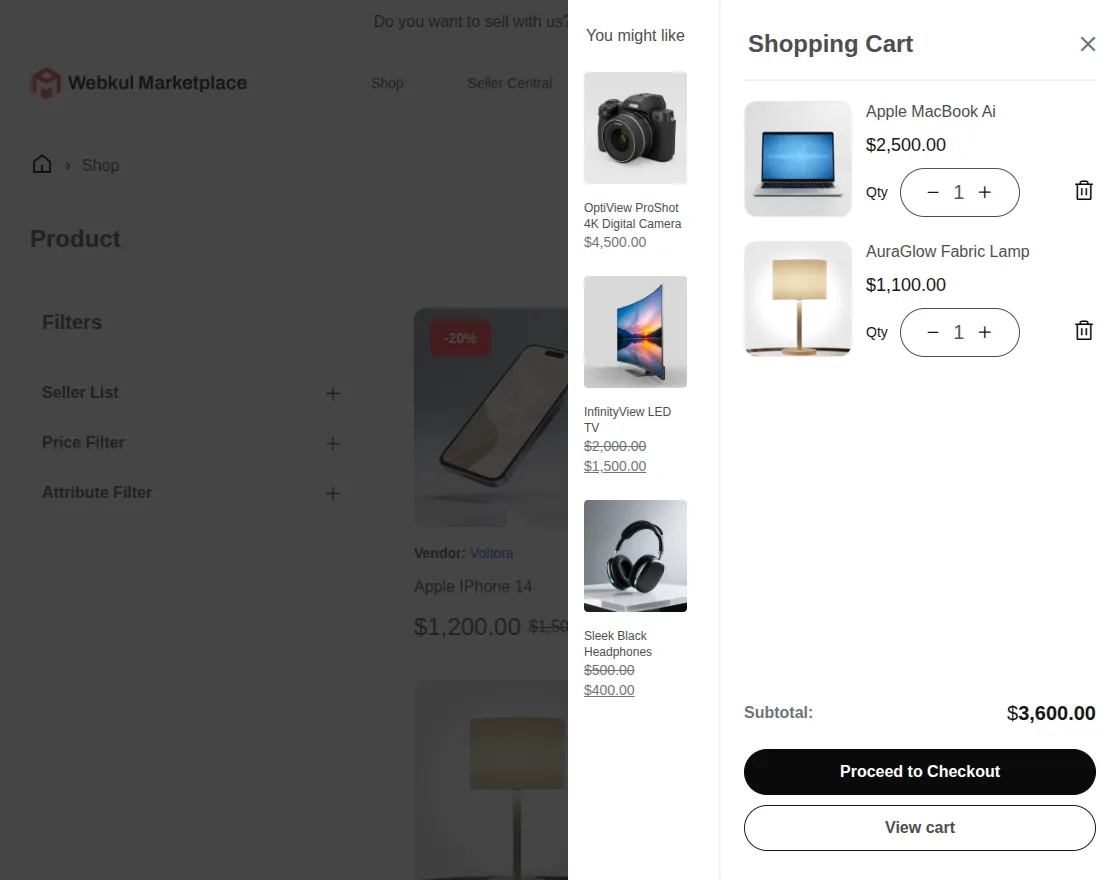
This section showcases related products, offering users more shopping options and enhancing the overall browsing experience.
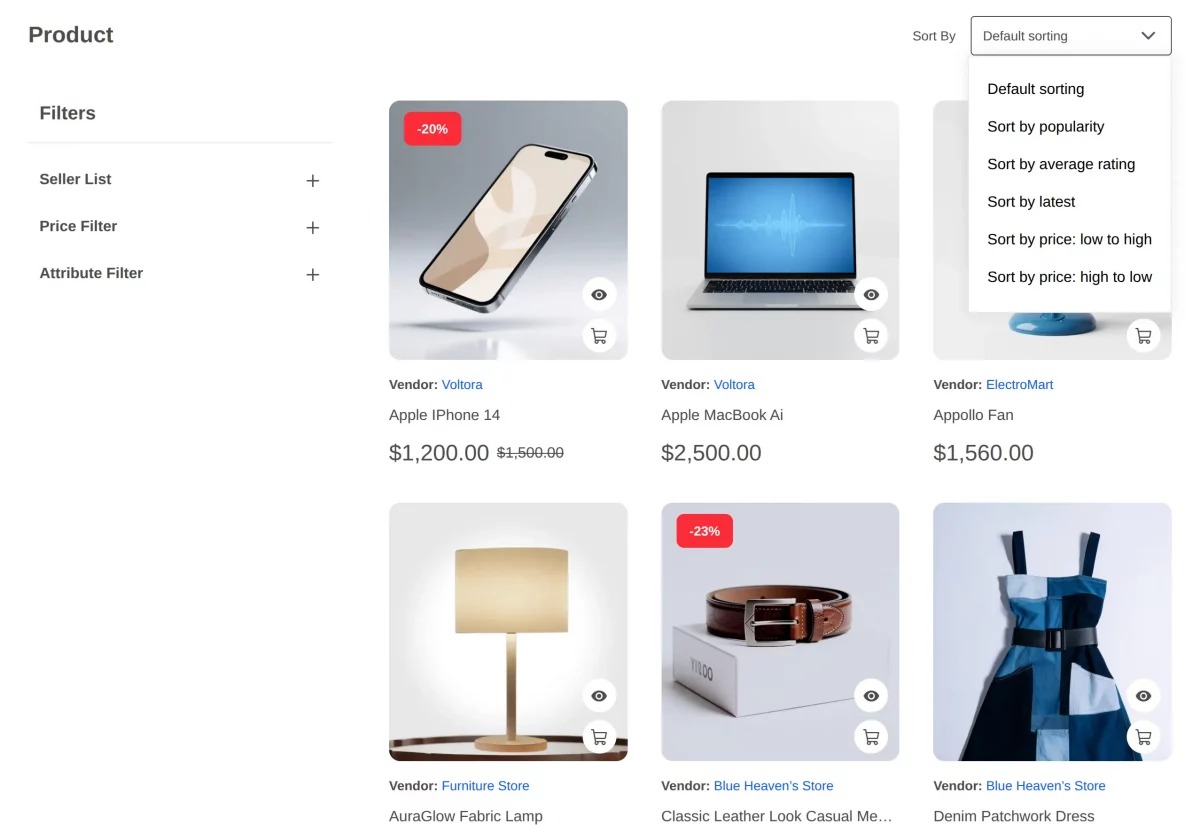
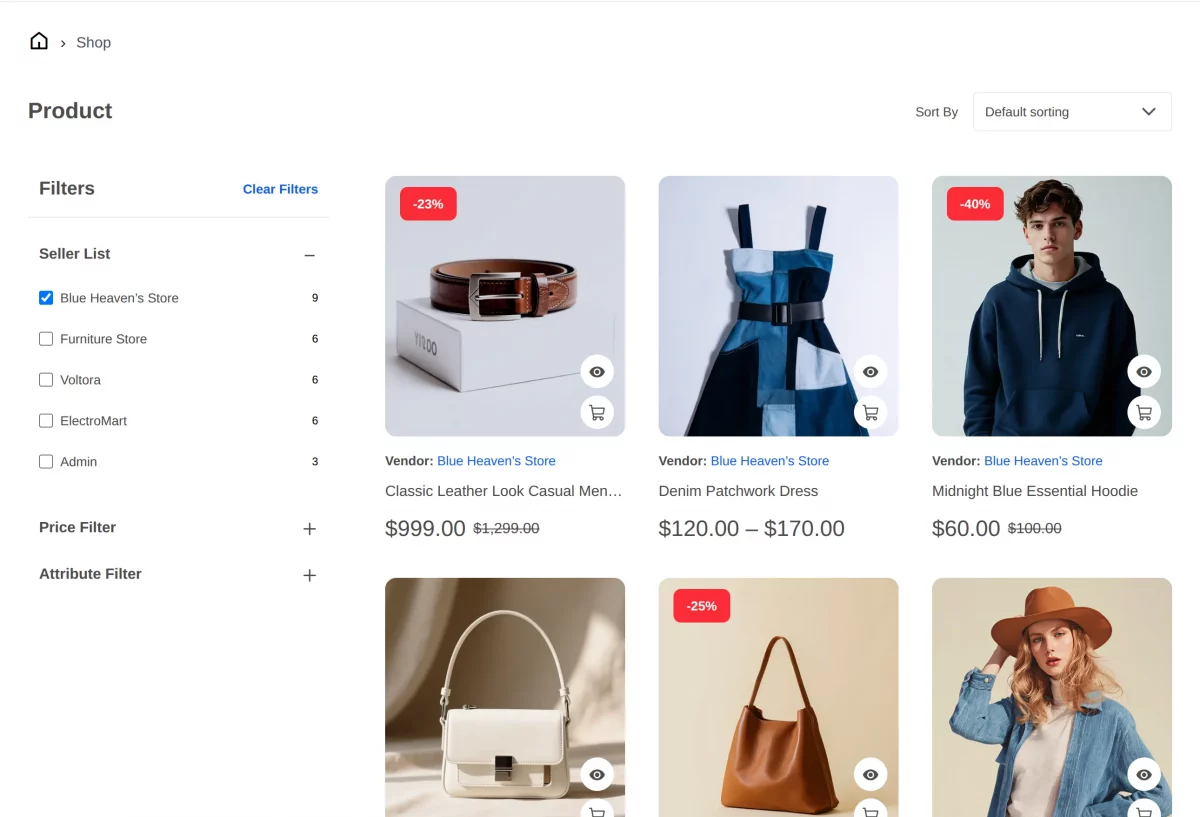
Filter & Sort – Product
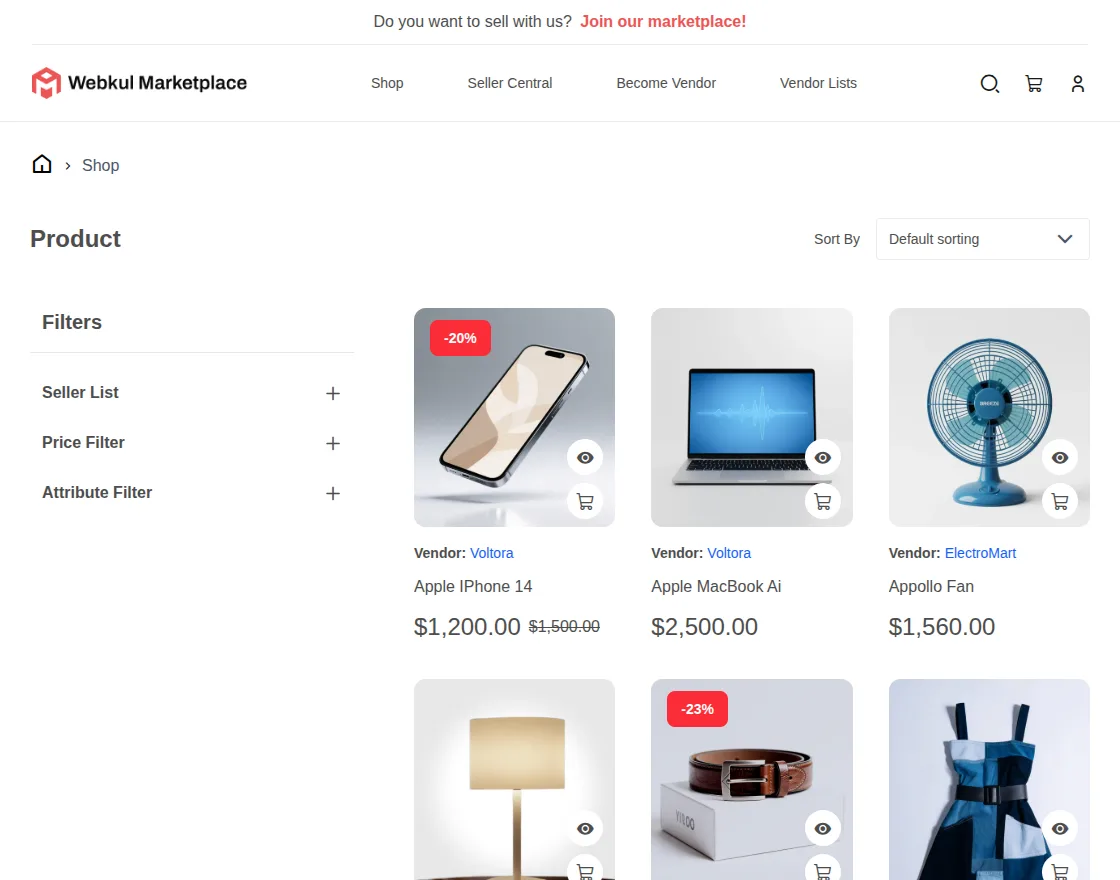
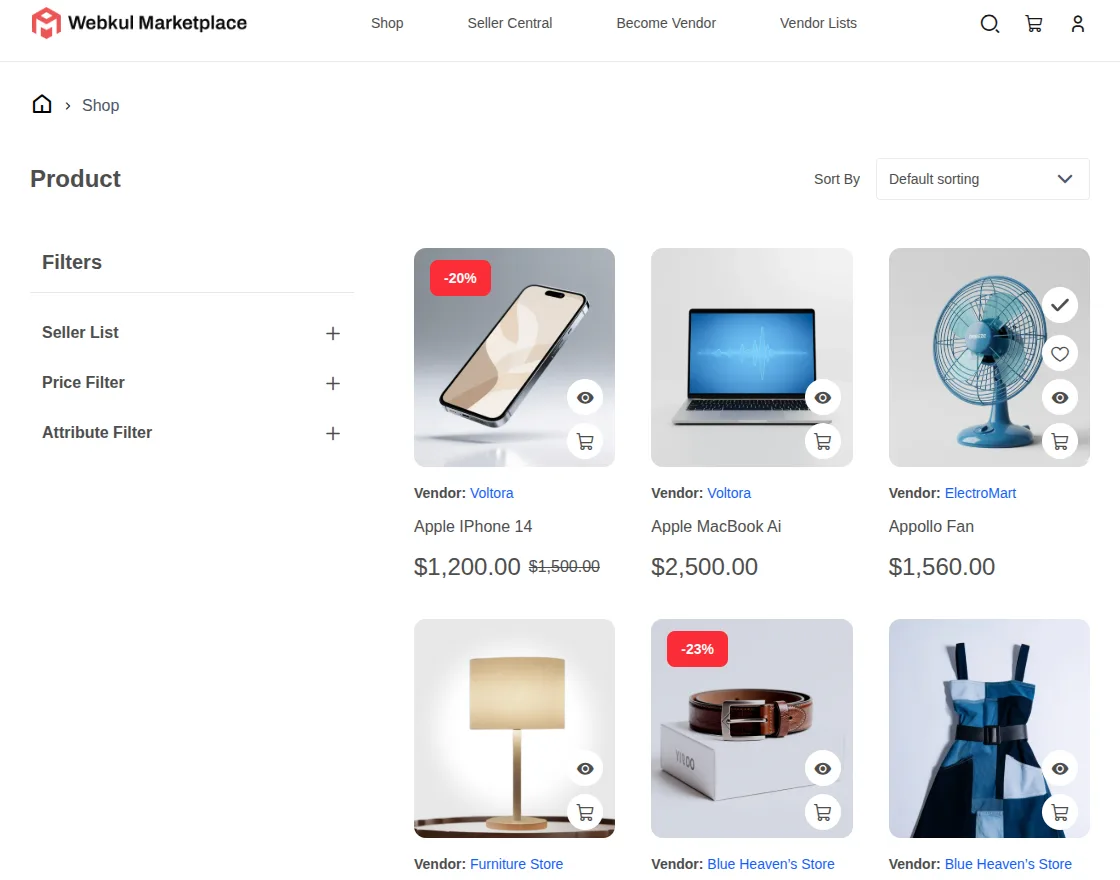
Marketplace Theme includes advanced filtering options that allow users to refine products based on specific criteria such as seller, price, categories, and stock status.
The Shop Page displays products cleanly in a grid layout.
Wishlist – Product
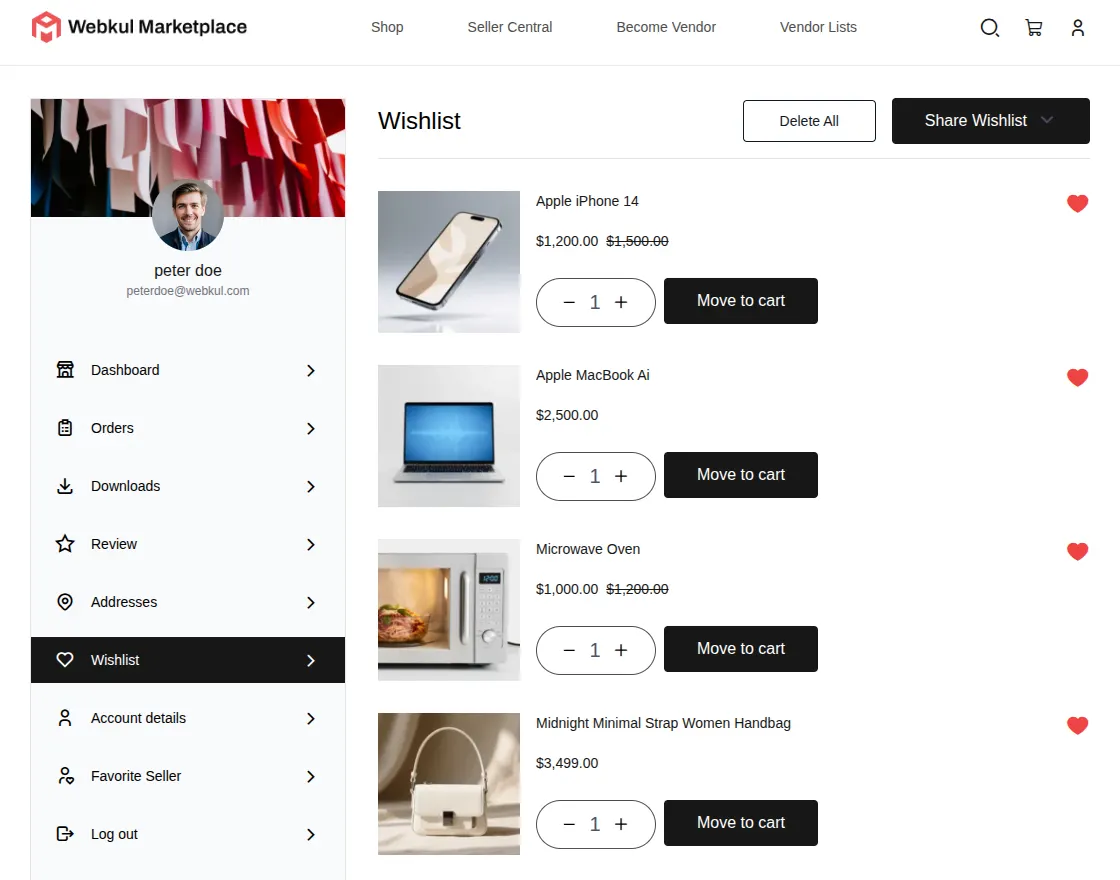
Users can navigate to the wishlist to view products they have marked as favorites.
The wishlist is displayed in the image below.
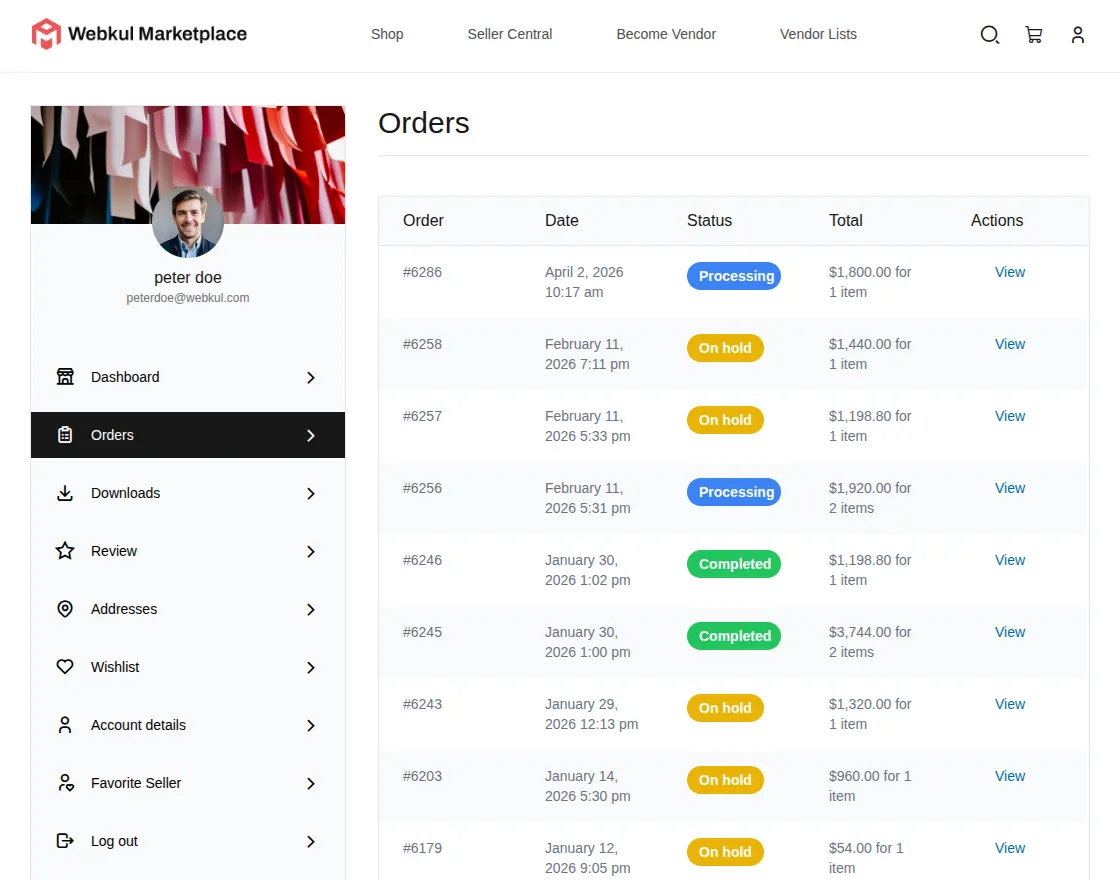
Orders – Product
From the Orders section, users can easily track their placed orders, view order status, check the total amount, and see any actions taken on the products. This image demonstrates this.
Checkout Flow
In the Marketplace theme, moving from the shopping cart to a completed order is a smooth and intuitive process for your customers.
Initiating Checkout: Once a customer has reviewed the products in their shopping cart or mini-cart, they can easily proceed by clicking the checkout button.
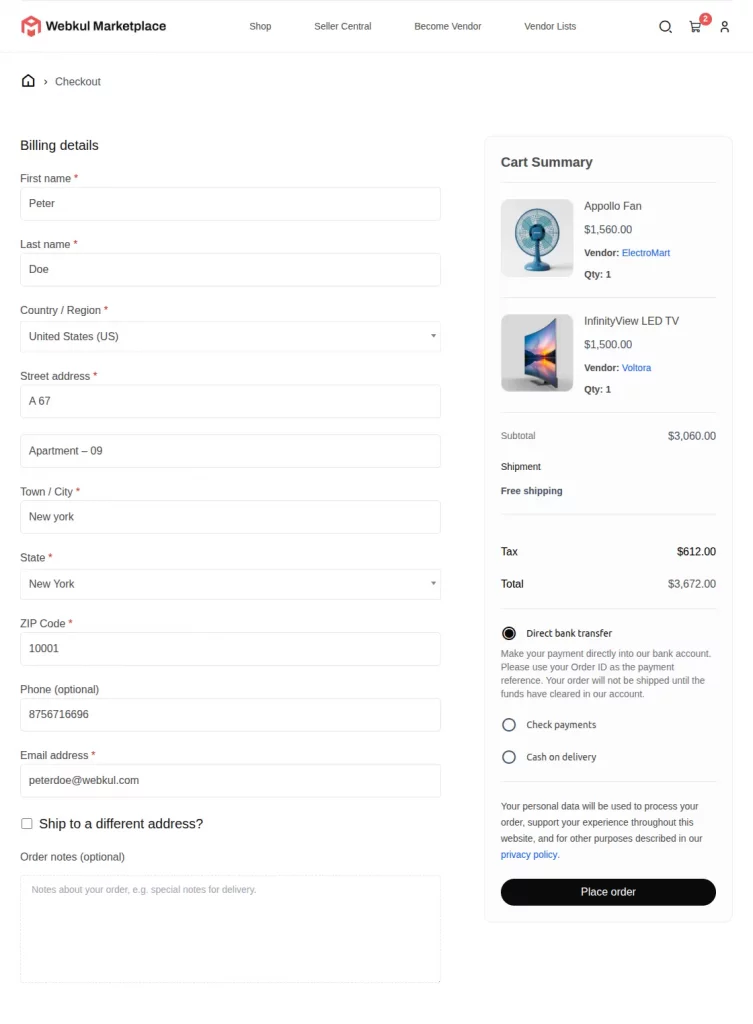
Entering Billing Details: The system then directs the user to the secure checkout page, where they can input their billing and shipping information.
Placing the Order: After selecting their preferred payment method, the customer clicks the ‘Place Order’ button to finalize their purchase.
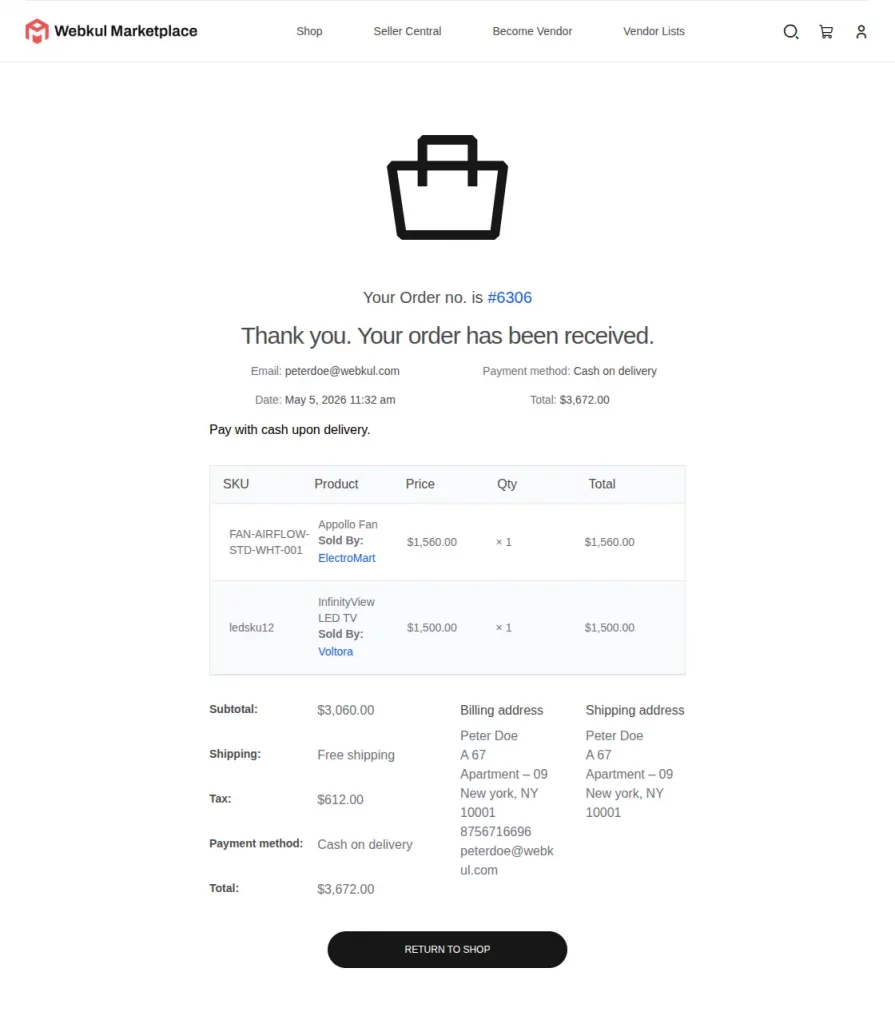
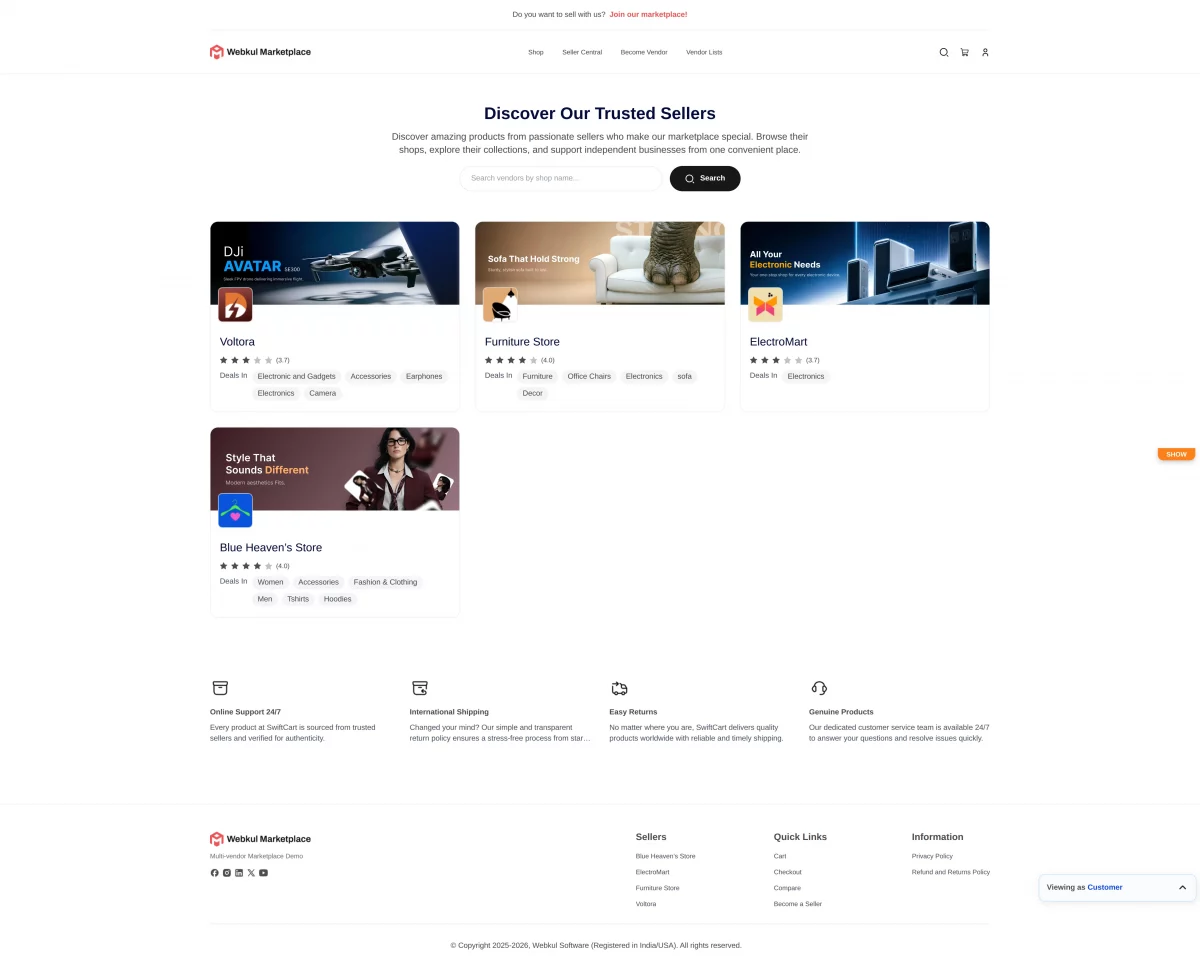
Vendor List
Marketplace theme provides a dedicated vendor list where customers can see all active sellers. It builds buyer trust and improves seller visibility.
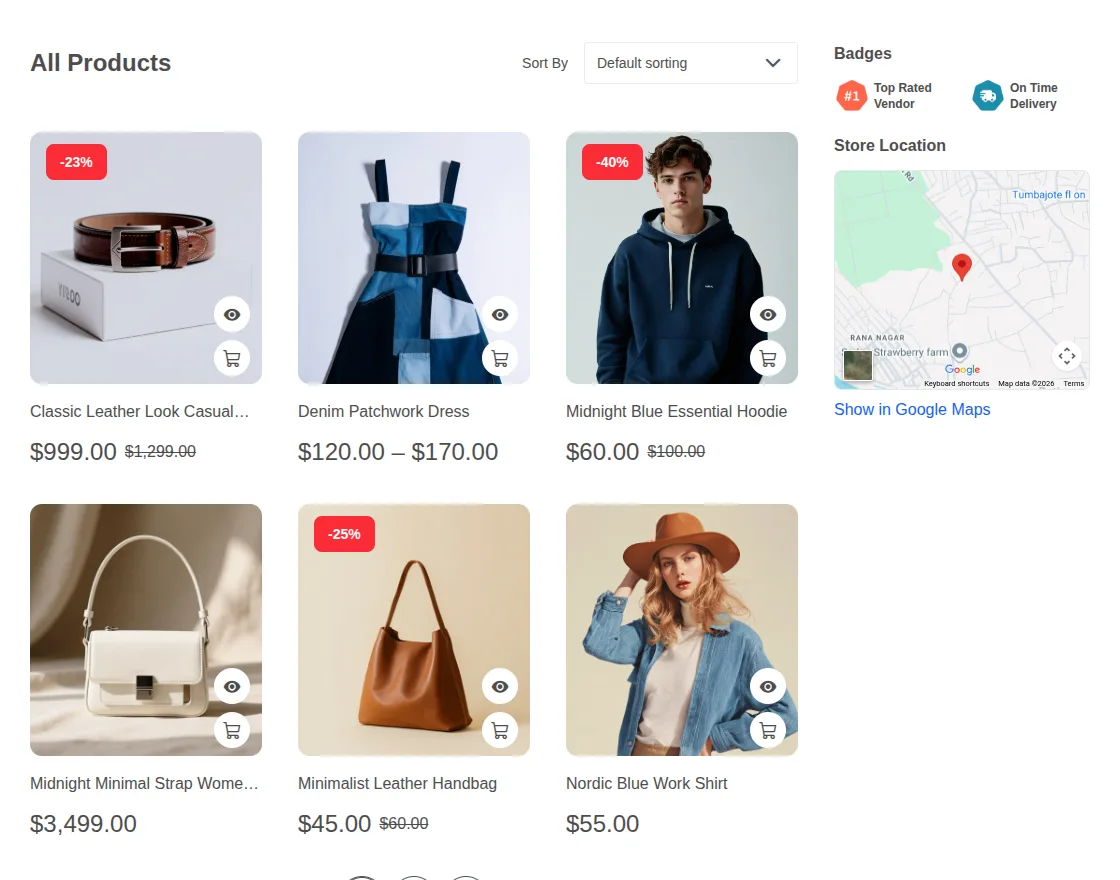
Vendor Profile
Each seller gets a dedicated profile page and vendor product listings. This allows them to feature their brand, display a banner, and manage their storefront.

Theme Options Panel
Woomarketplace Widget Box Plugin has four sections: Component, Shop, Homepage Variations, and General Settings. First, we’ll start with General Settings.
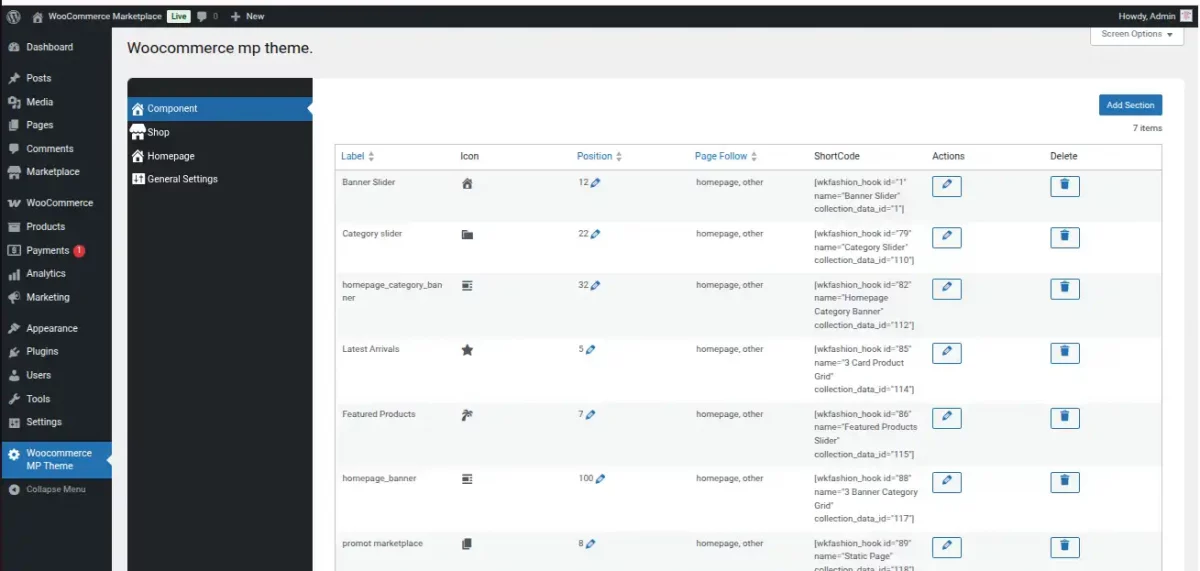
1. Component Settings
The Component section allows the admin to manage and configure the different elements that construct the home page layout.
From the WordPress dashboard, navigate to Woocommerce MP Theme > Component.
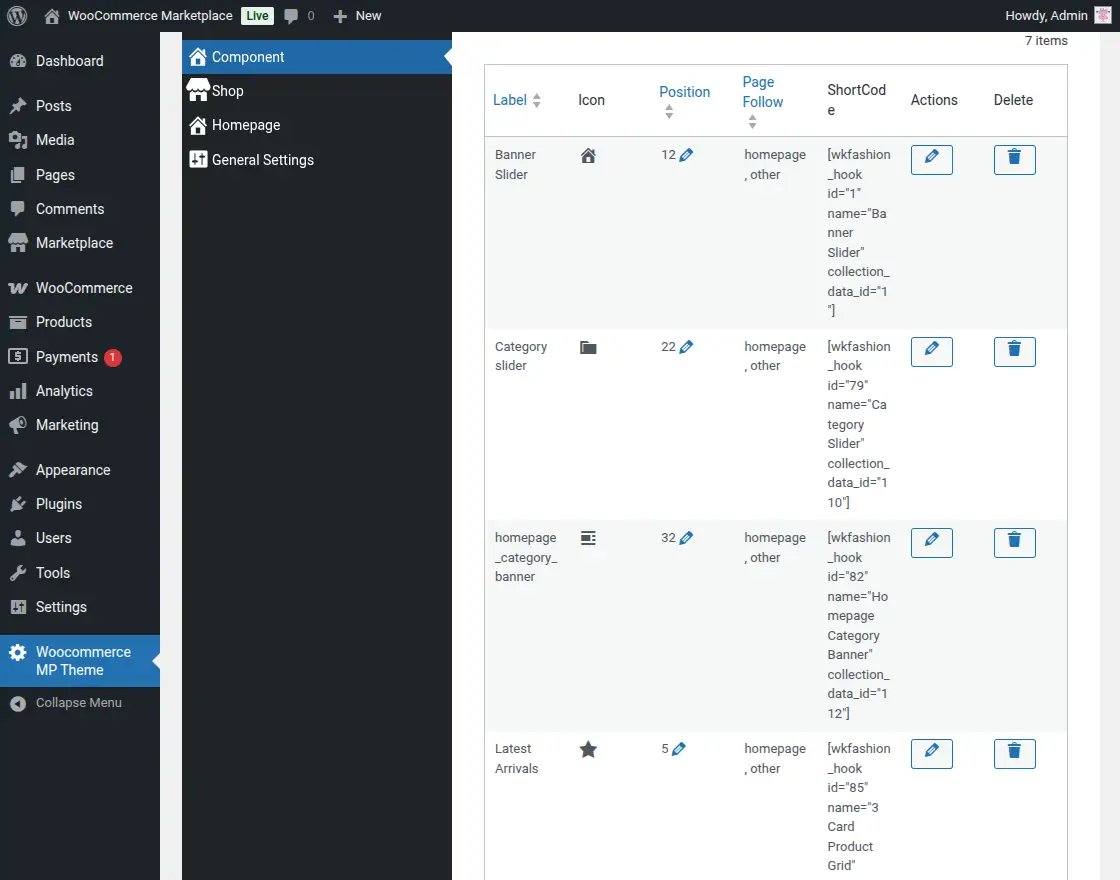
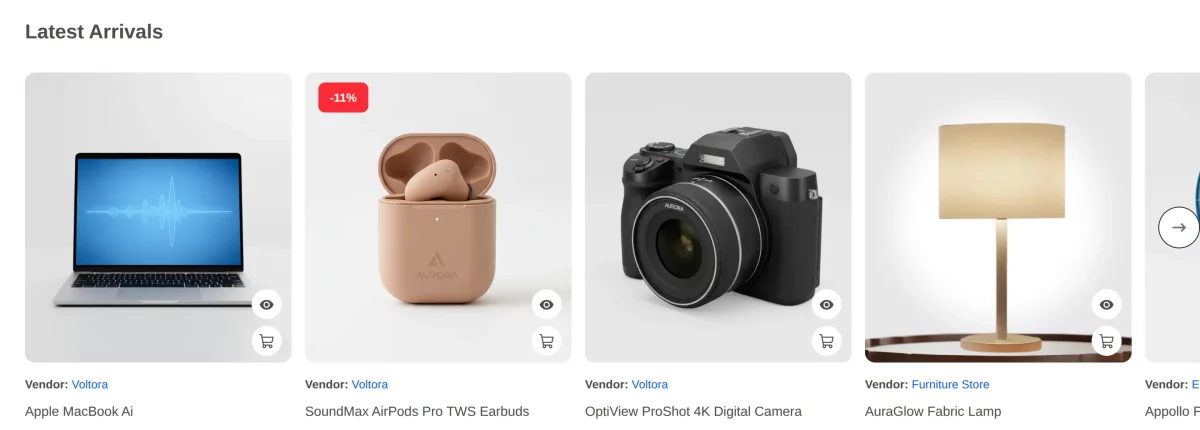
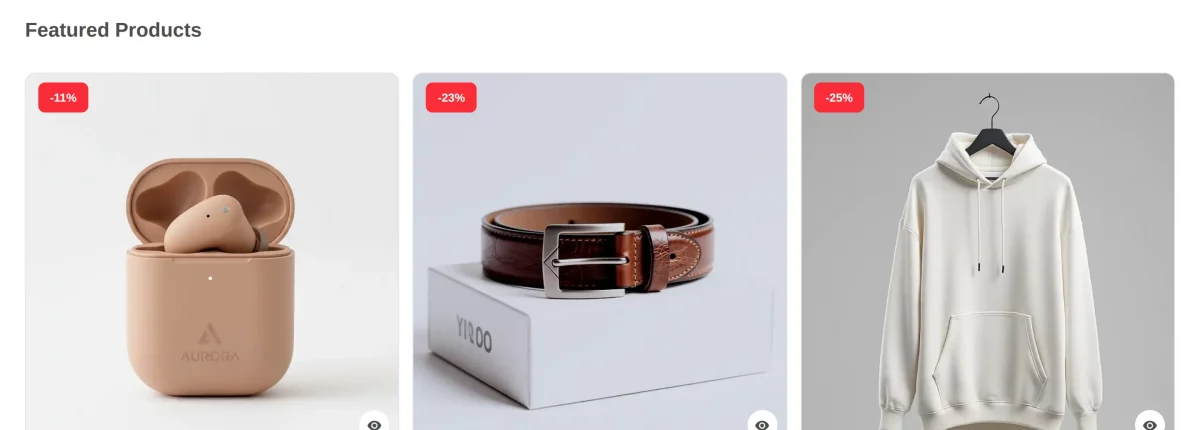
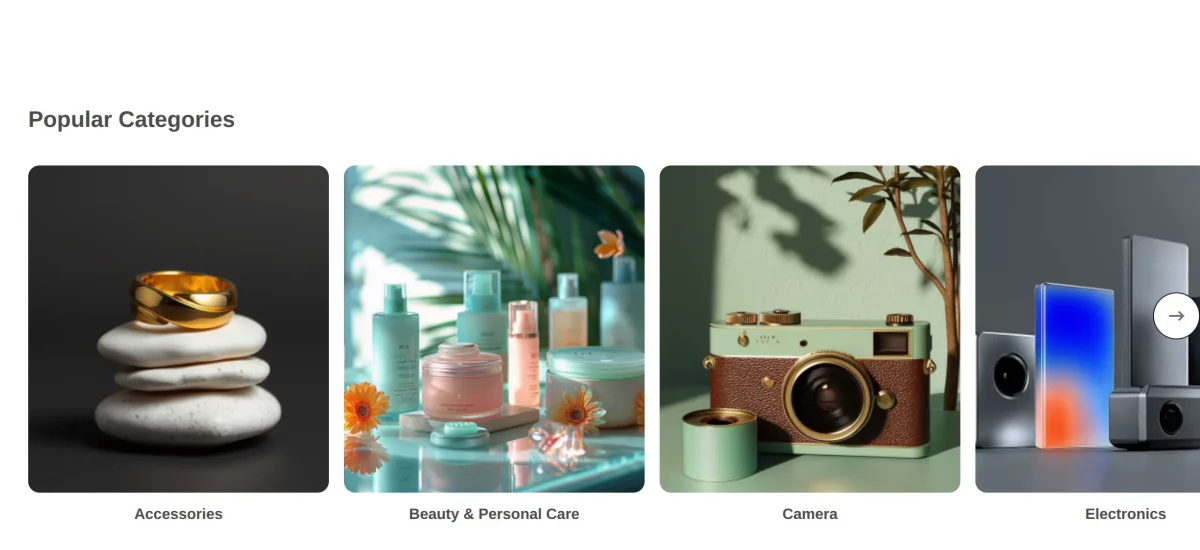
Here, the admin will find a list of all available components, such as Banner Slider, Category slider, Latest Arrivals, Featured Products, and more.
The Component table displays the following options for each item:
- Label: The name of the component.
- Icon: A visual representation for the component.
- Position: The display order of the component. Admins can adjust the position to reorder how elements appear on the page.
- Page Follow: Indicates the pages where the component will be displayed (e.g., homepage, other).
- ShortCode: The specific shortcode generated for the component.
- Actions: The admin can click the edit (pencil) icon to modify the component’s settings.
- Delete: The admin can click the delete (trash) icon to remove a component entirely.
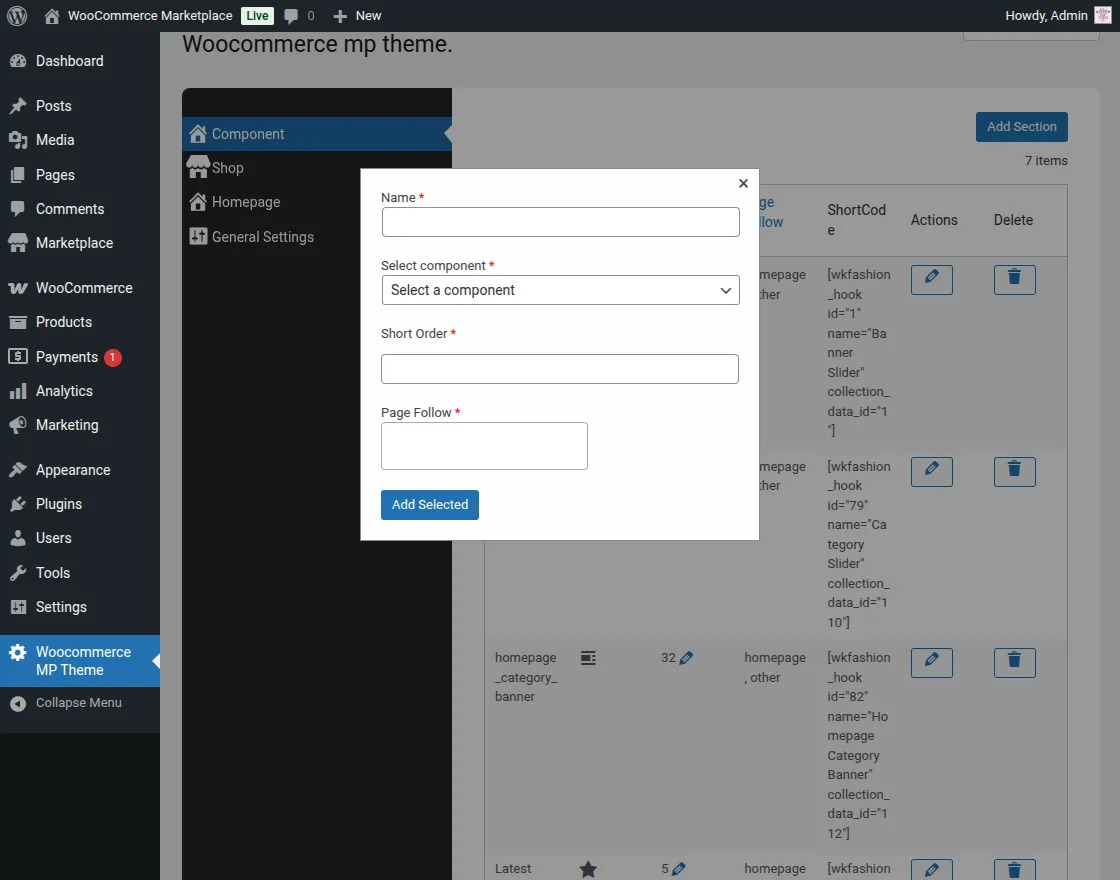
To create a new layout element, the admin can click the Add Section button located at the top right.
Frontend View
Once all components are configured, enabled, and ordered according to your preference, these layout elements will reflect on the storefront.
Customers will experience a fully customized homepage featuring your selected banners, category sliders, and product grids exactly as arranged in the backend.




2. General Settings
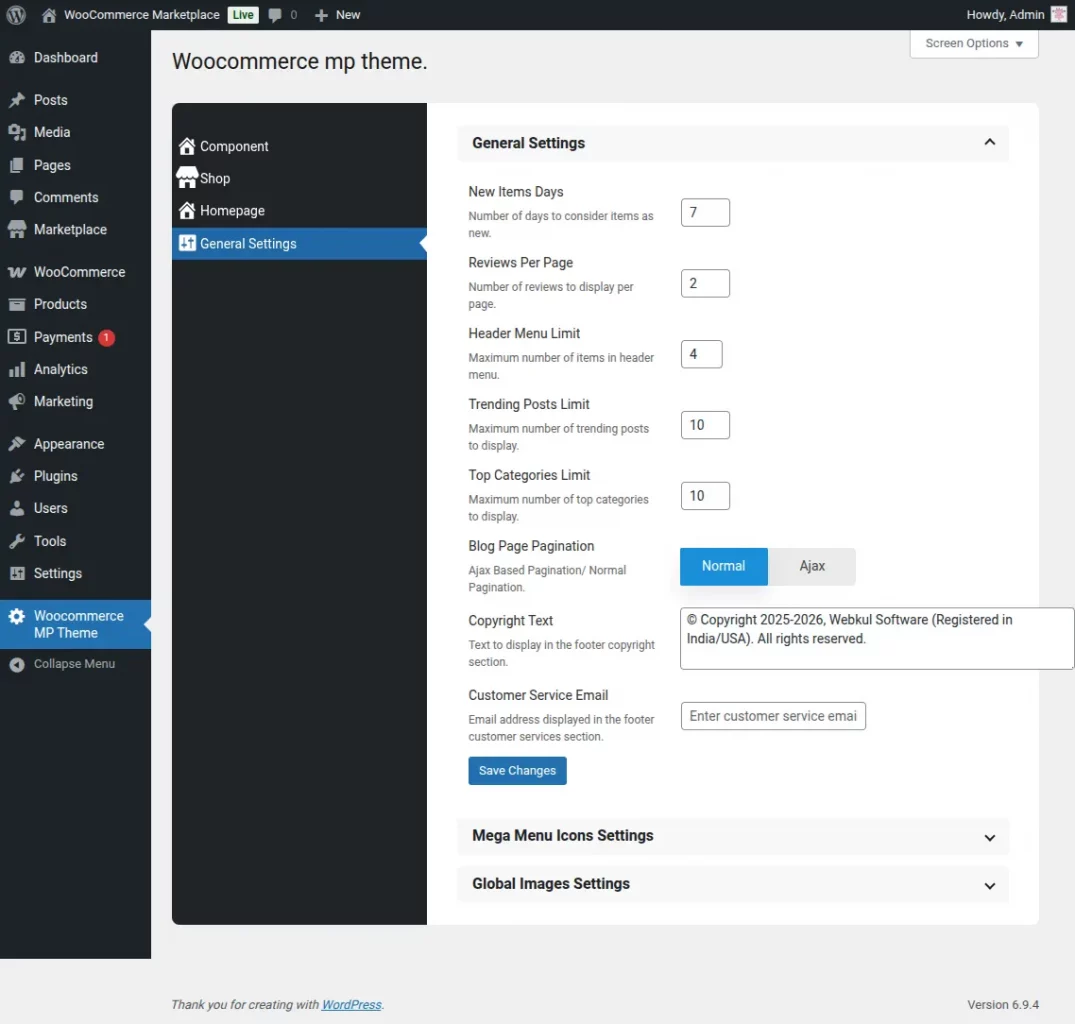
General Settings configuration options include:
New Items Day : Define how many days an item stays ‘new’.
Reviews Per Page : Set the number of reviews displayed per page.
Header Menu Limit : Set the maximum number of items to show in the header menu.
Trending Posts Limit : Define the maximum number of trending posts to display.
Top Categories Limit : Set the maximum number of top categories to show.
Blog Page Pagination : Choose between AJAX-based pagination or standard pagination for the blog page.
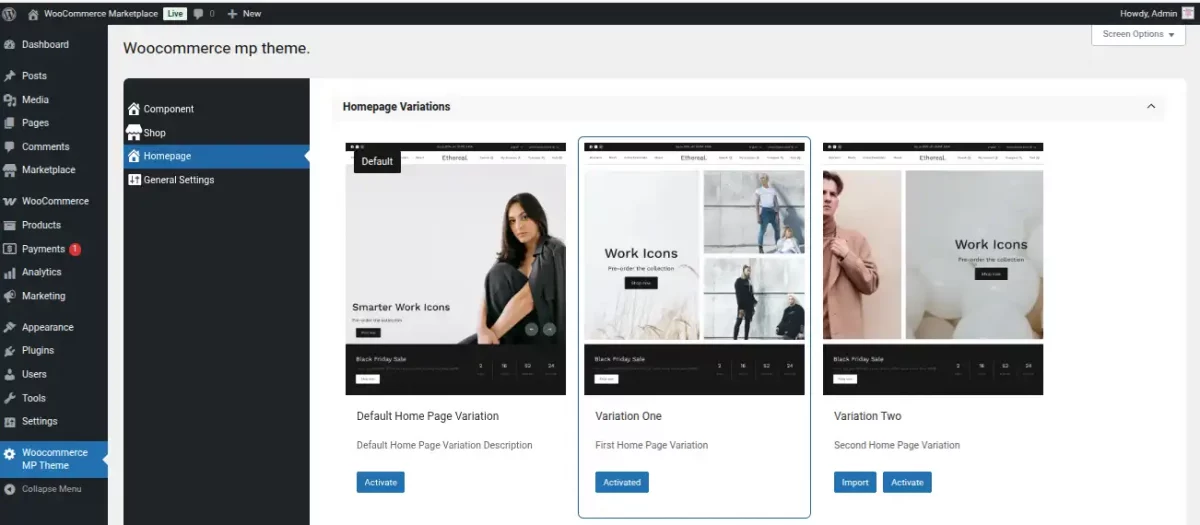
3. Homepage Variations
The theme provides variation selection options. It enables the use of different home page variations, allowing the admin to completely change the layout structure from the backend.
The admin can configure the Homepage Variations using the following options:
Select Variation: Choose from the available pre-built homepage variations (e.g., Default, Marketplace Layout, etc.) to instantly update your store’s look.
After making all changes, click Save Changes to apply them.
4. Shop Settings
The admin needs to configure the Shop Page settings to adjust product views, sidebar layouts, and elements like Wishlist and Quick View.
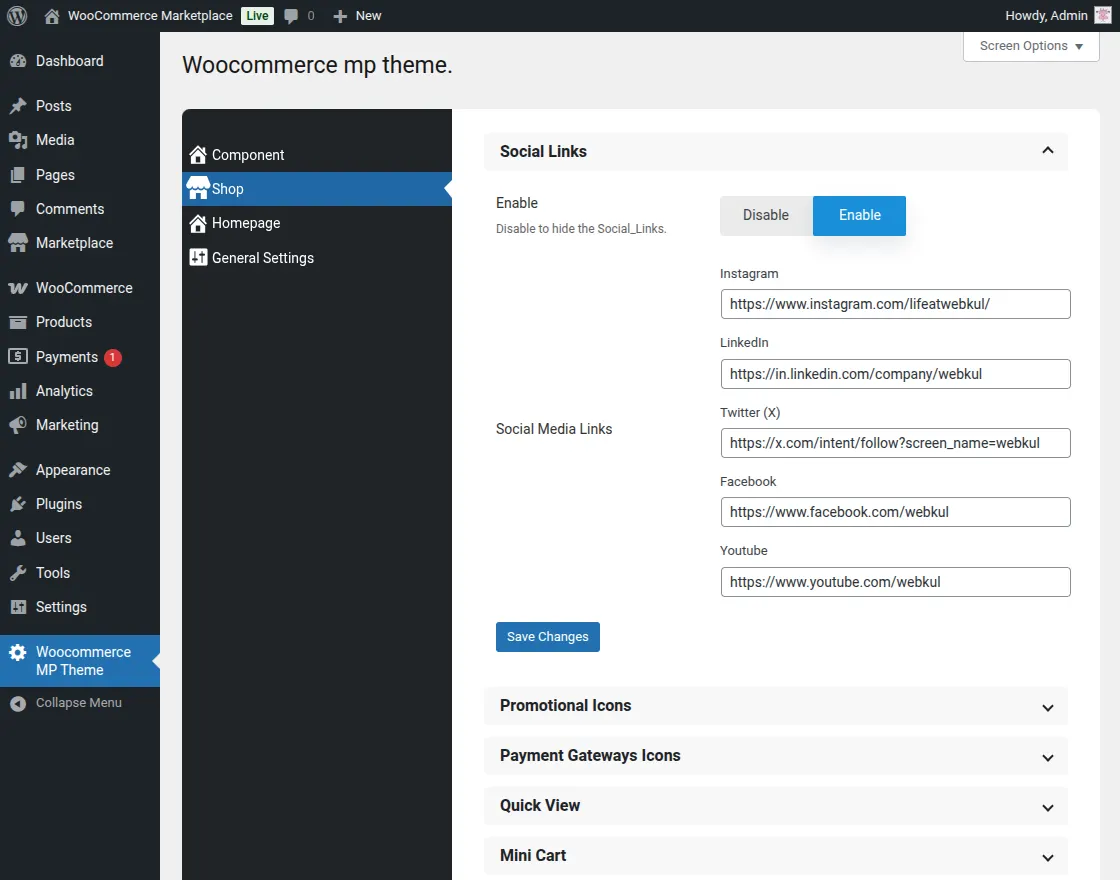
The Shop Page includes social media links that the admin needs to configure.
Enable: Toggle to show or hide social media links.
Social Media Links: Add the URLs for platforms such as Instagram, LinkedIn, Twitter, Facebook, and YouTube.
Once all changes are made, click Save Changes to apply them.
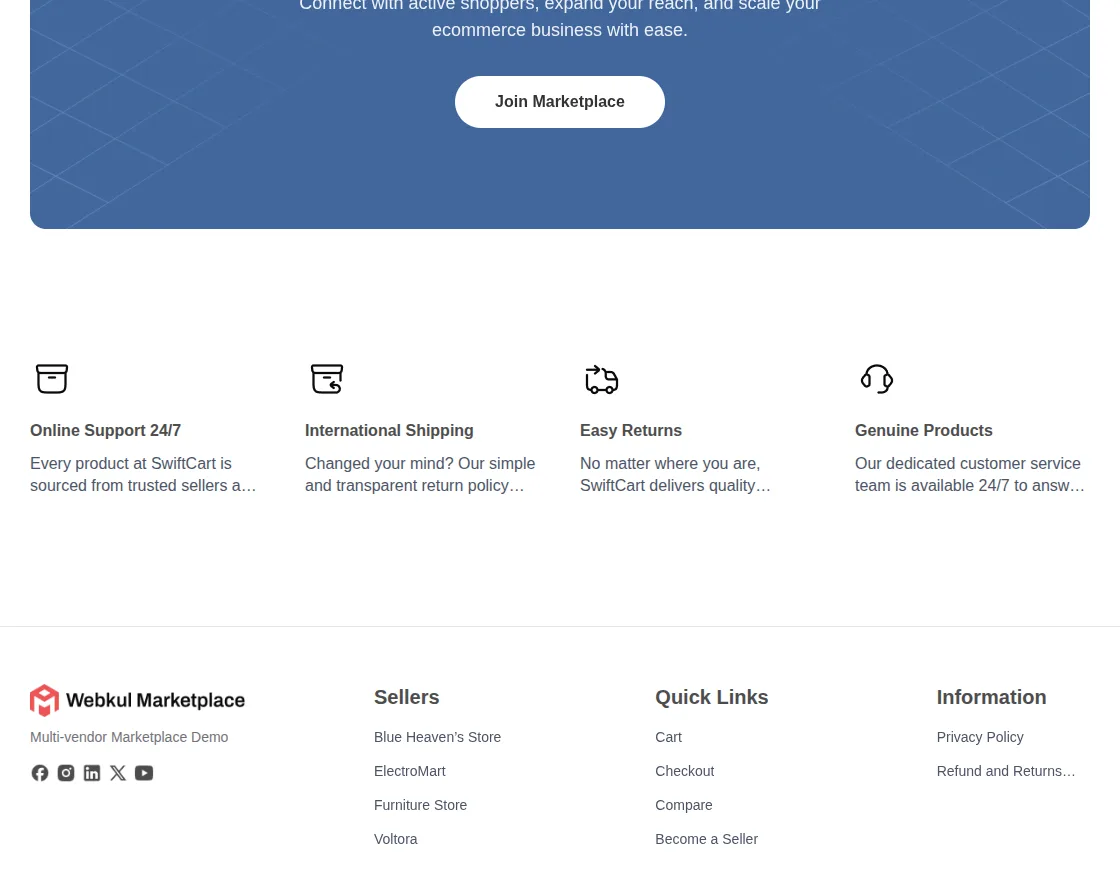
The Social Icons will appear to customers on the frontend like this.
Promotional Icons
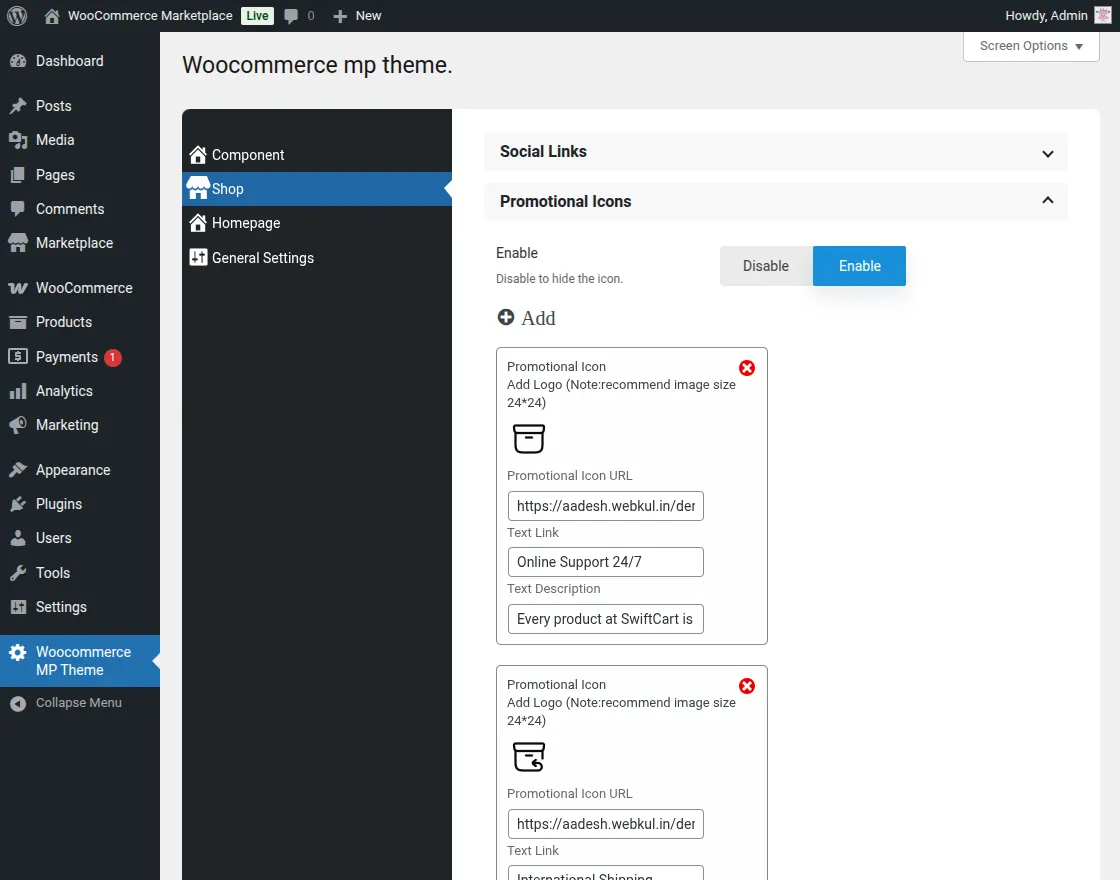
The admin needs to configure the Promotional Icons section:
Enable: Toggle to show or hide promotional icons.
To add a new promotional icon, click the “+ Add” button, then enter the following details:
Icon URL, Text Link.
After filling in the required information, click Save Changes to apply the updates.
Promotional link will be shown to the customer like this.
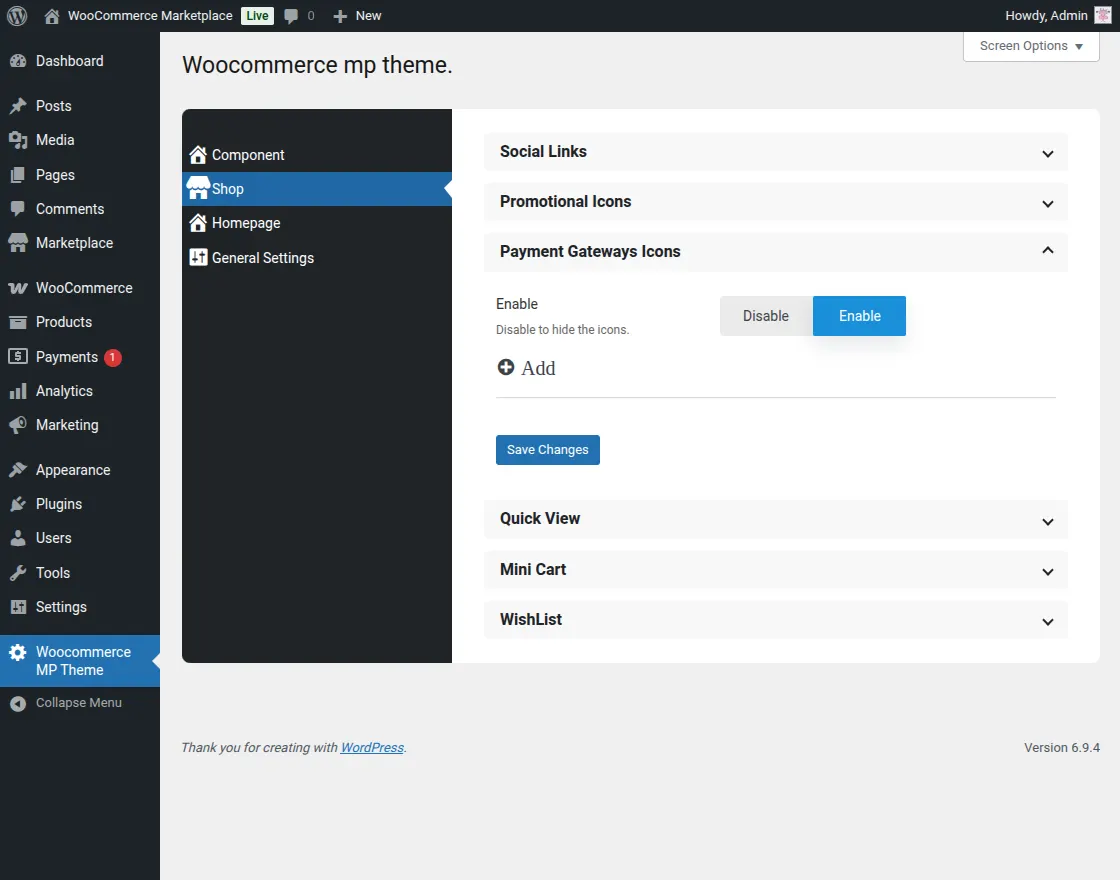
Payment Gateways Icons
Payment Gateway Icons can be configured with the following options:
Enable: The admin can toggle this option to show or hide the payment gateway icons.
To add a payment gateway, click the “+ Add” button and provide the following details:
Logo,Payment Gateway Name, Payment Gateway URL
The admin can repeat this process to add multiple payment gateway icons to the page.
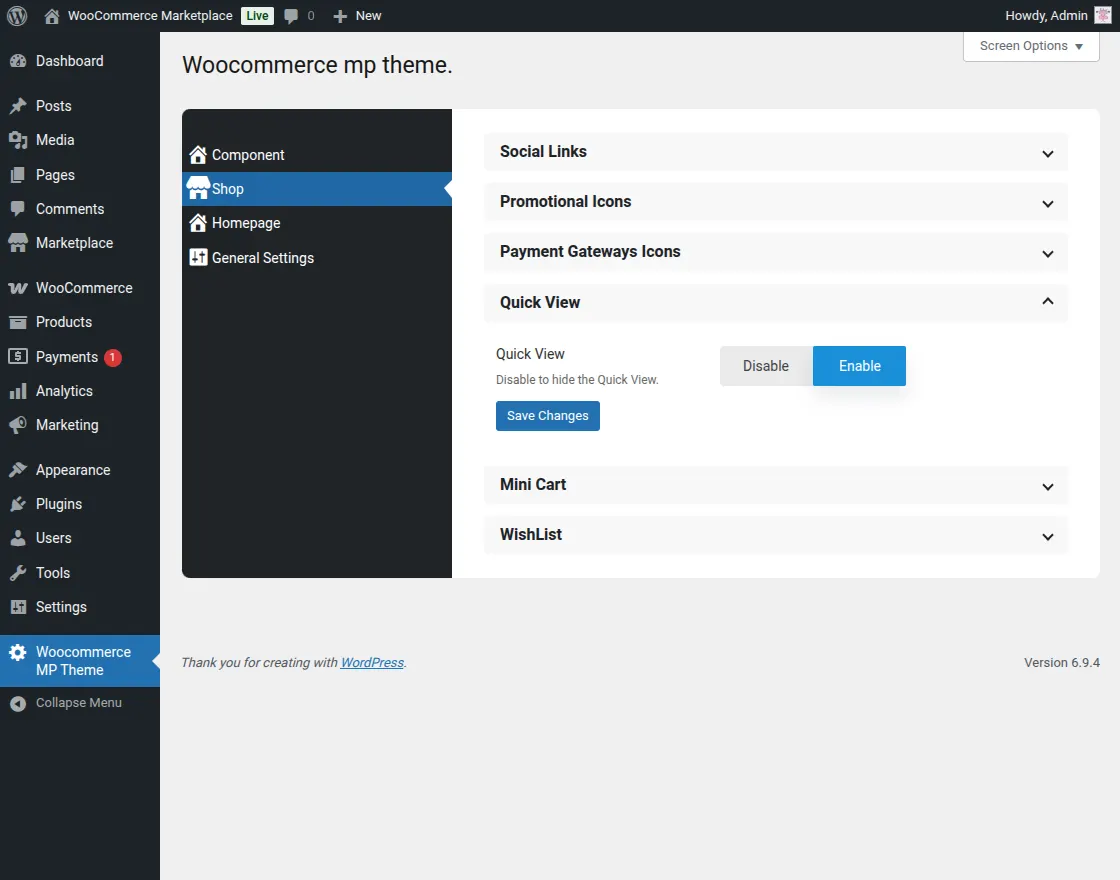
Quick View
This option allows you to enable or disable the Quick View feature on the Shop page. When enabled, users can preview product details without navigating away from the page.
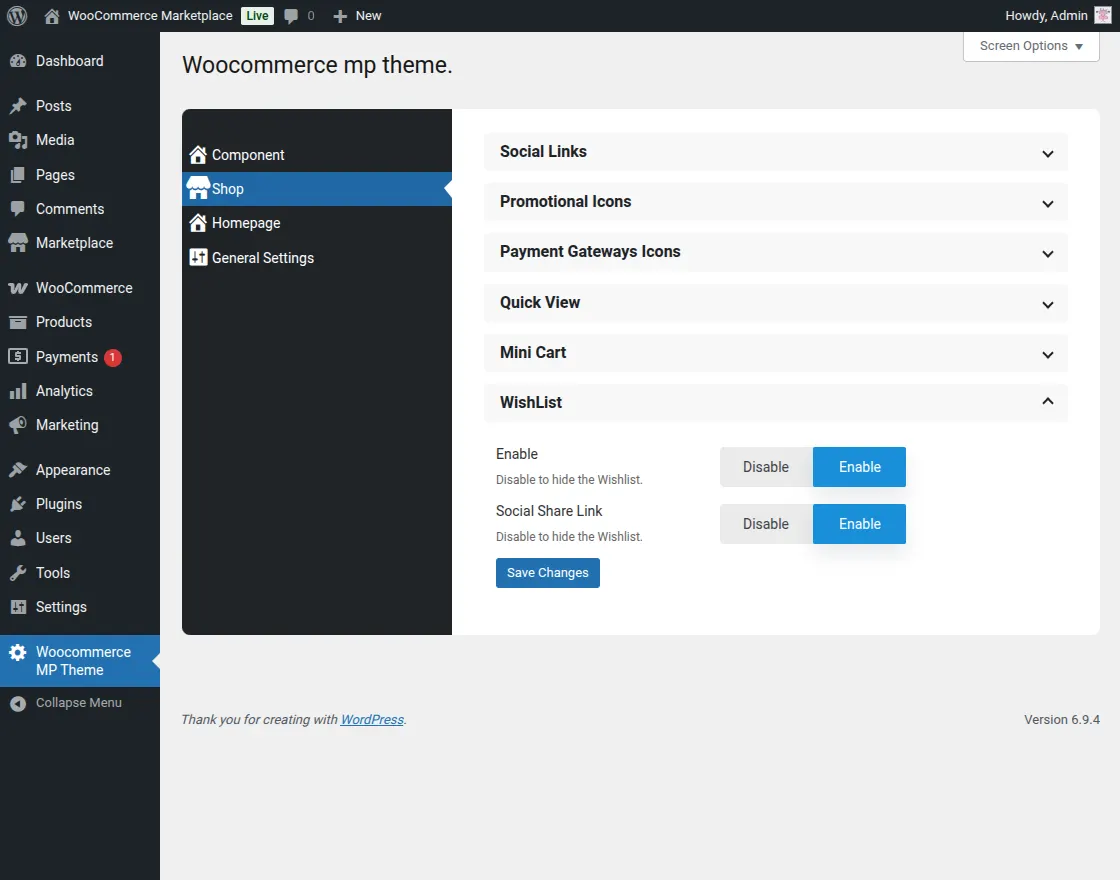
Wishlist
Admin configures wishlist using the following options:
Enable: Toggle to show or hide the Wishlist feature on the Shop page.
Social Share Link: Enable or disable the social sharing option for wishlist items.
The Wishlist will appear to the customer on the storefront exactly as configured.
Support
So that is all for WooCommerce Marketplace Theme guide.
Still, have any issues, feel free to create a ticket or email us at [email protected] and let us know your views to make the plugin better.
Current Product Version - 1.0.0
Supported Framework Version - WordPress 6.x.x WooCommerce 10.x.x

Be the first to comment.