This module benefits both sellers and buyers. Sellers can add shipping locations easily. Buyers can enter their location to view available sellers and products in that specific area.
This module connects the customers with local stores and also transforming the shopping experience of the customers.
Features of Laravel eCommerce Marketplace Hyperlocal Extension.
- The customer can enter their location and buy products from the seller’s store.
- The customer can also change their location.
- The customer/guest can edit, delete their existing location.
- The customer can select a location through the map pointer.
- The customer can check the product’s availability in their location.
- Admin can add a radius unit and range which will be used to search the seller from the customer’s location.
- The seller enters the radius up to which the goods can be delivered to the customers from its origin.
- The admin can Enable/Disable the single seller checkout functionality.
- Seller products outside of the shipping range will not be shown to customers.
- Customers can check the seller’s availability in their location.
Requirements
- Bagisto: v2.4.10
- Marketplace: v2.4.10.0
How to install the module?
Unzip the respective extension zip and then merge “packages” folder into project root directory.
Goto composer.json file and add following line under ‘psr-4’
"Webkul\\MarketplaceHyperlocal\\": "packages/Webkul/MarketplaceHyperlocal/src"
Goto bootstrap/providers.php file, add the following line under the ‘providers’ section
Webkul\MarketplaceHyperlocal\Providers\MarketplaceHyperlocalServiceProvider::class
Run these commands below to complete the setup
composer dump-autoload
php artisan marketplace-hyperlocal:install
php artisan optimize:clear
Admin Management:- Laravel eCommerce Marketplace Hyperlocal Extension
After installation of the module, admin can also configure the module by going to Configure » Marketplace » Hyperlocal Marketplace. The Module Information section shows the installed version.
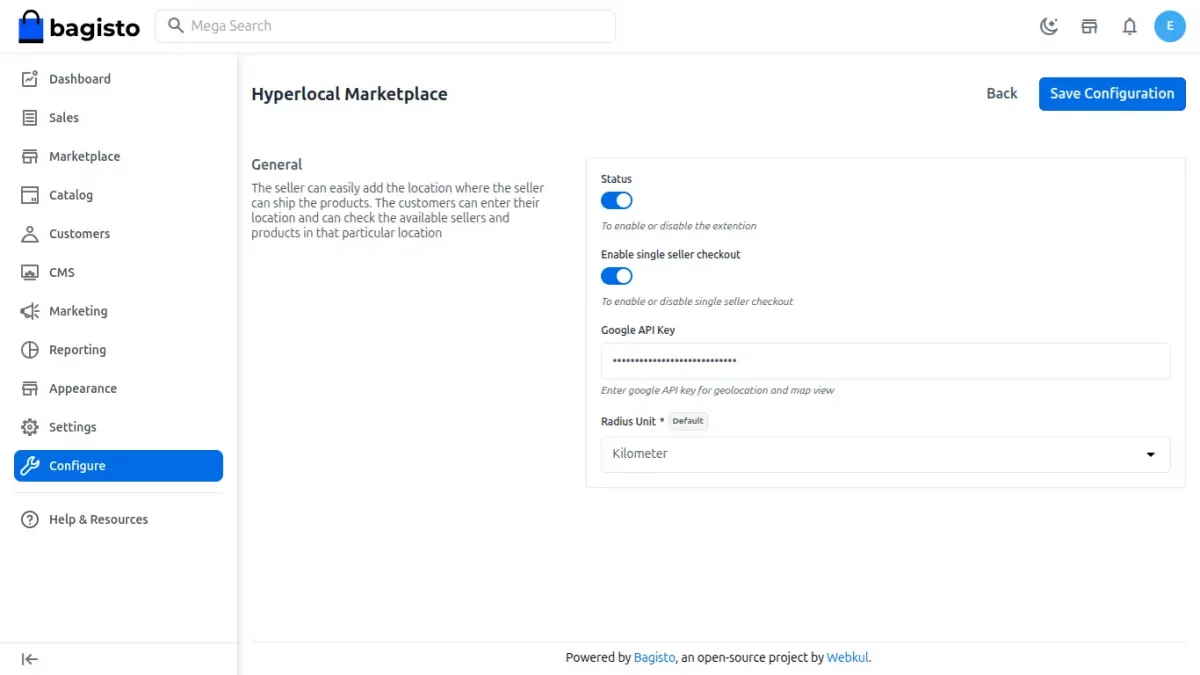
Here Admin needs to enter the following details-
- Status – To enable or disable the module. The Marketplace module must also be enabled.
- Enable single seller checkout – When enabled, the customer can check out products from one seller only. Disable it to allow products from more than one seller in the same cart.
- Google API Key – Used for location search suggestions and the map on the storefront, and for the locality search on the admin and seller inventory source forms.
- Radius Unit – Kilometer or Mile. The inventory source range is measured in this unit.
Note: Enable the Maps JavaScript API and Places API for the key and allow your store domain. If the key is missing or rejected, the location search switches to a built-in list of sample locations. To create a key, please visit https://developers.google.com/maps/documentation/javascript/get-api-key
The admin also needs to set the location and delivery range for each inventory source. A product is shown to a customer only when the customer’s location is within the range of an inventory source that stocks it.
The admin needs to navigate to the settings>>inventory sources. In this page the admin can see all the created inventory as shown below:-
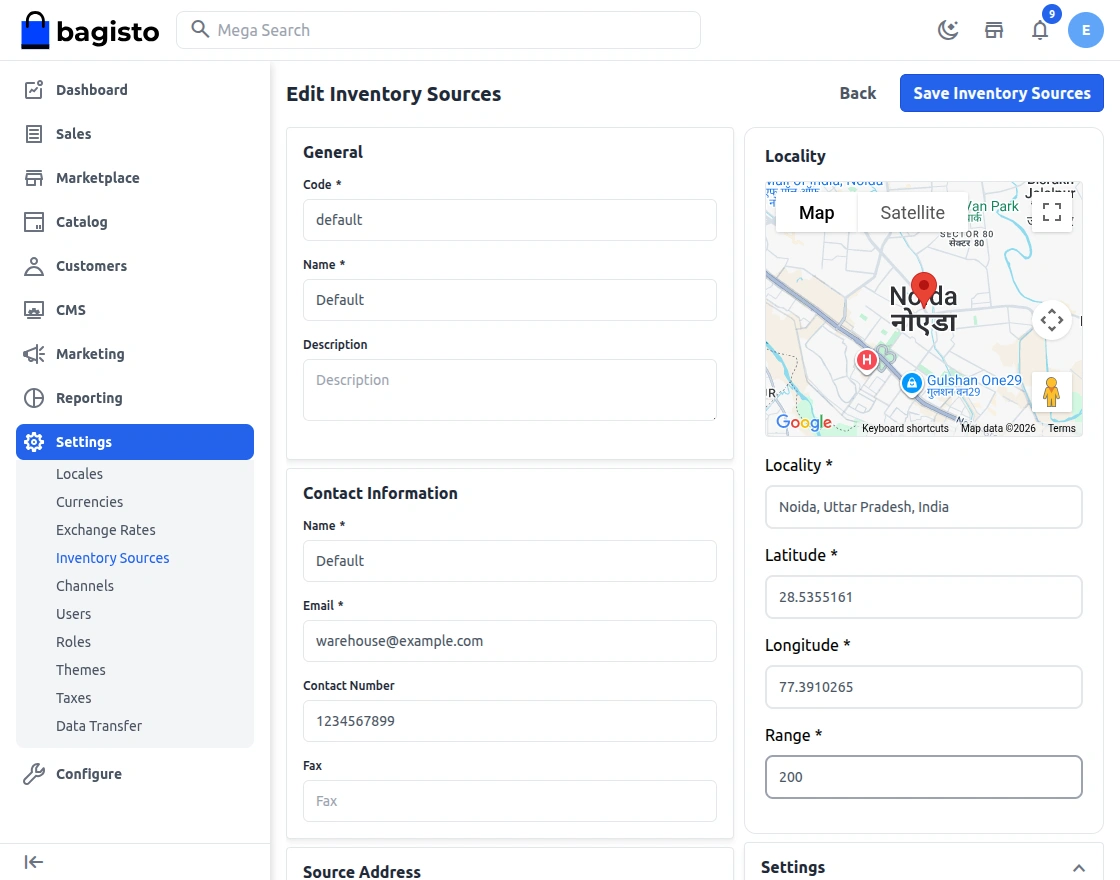
To add new inventory click on Add Inventory or to edit existing inventory click on edit button.
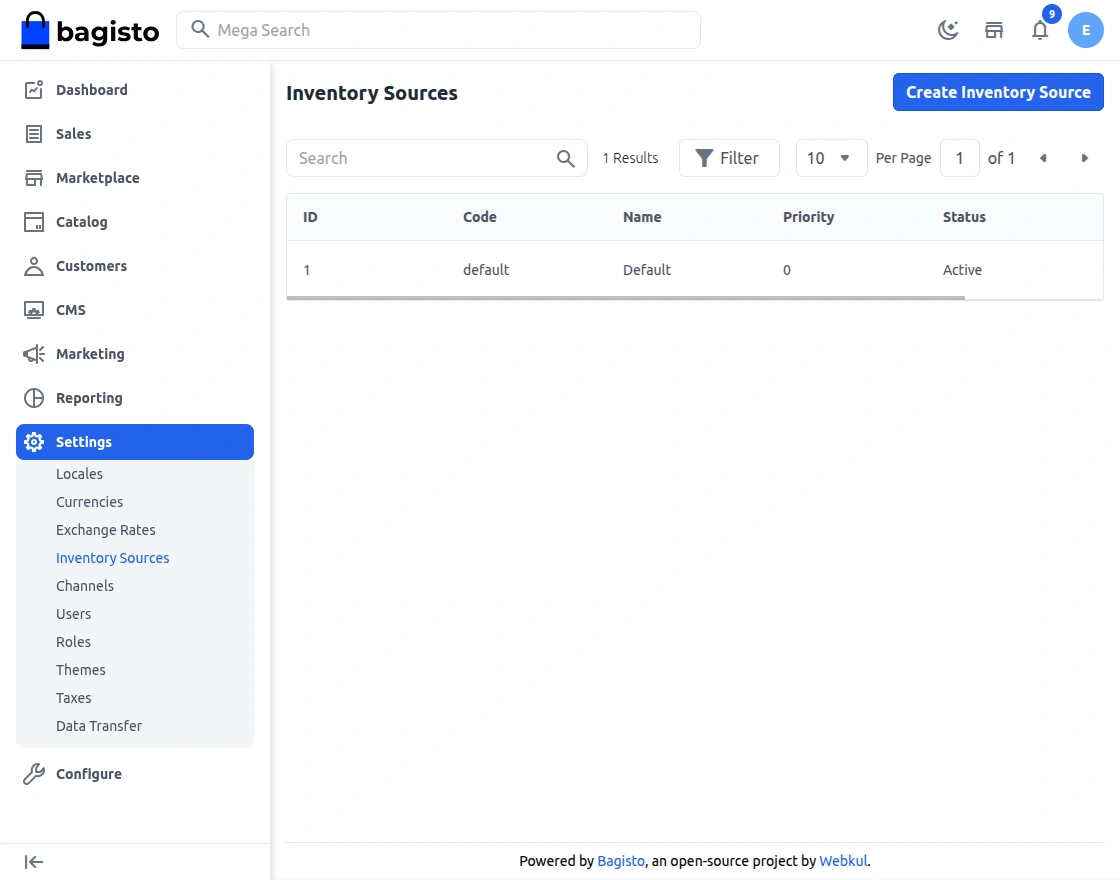
The admin needs to enter all the details regarding the inventory, including the hyperlocal fields:
- Locality – Search and select the inventory location. Latitude and Longitude are filled in automatically.
- Latitude and Longitude – The exact position of the inventory source.
- Range – The delivery distance from this inventory source, in the selected Radius Unit.
Seller Dashboard
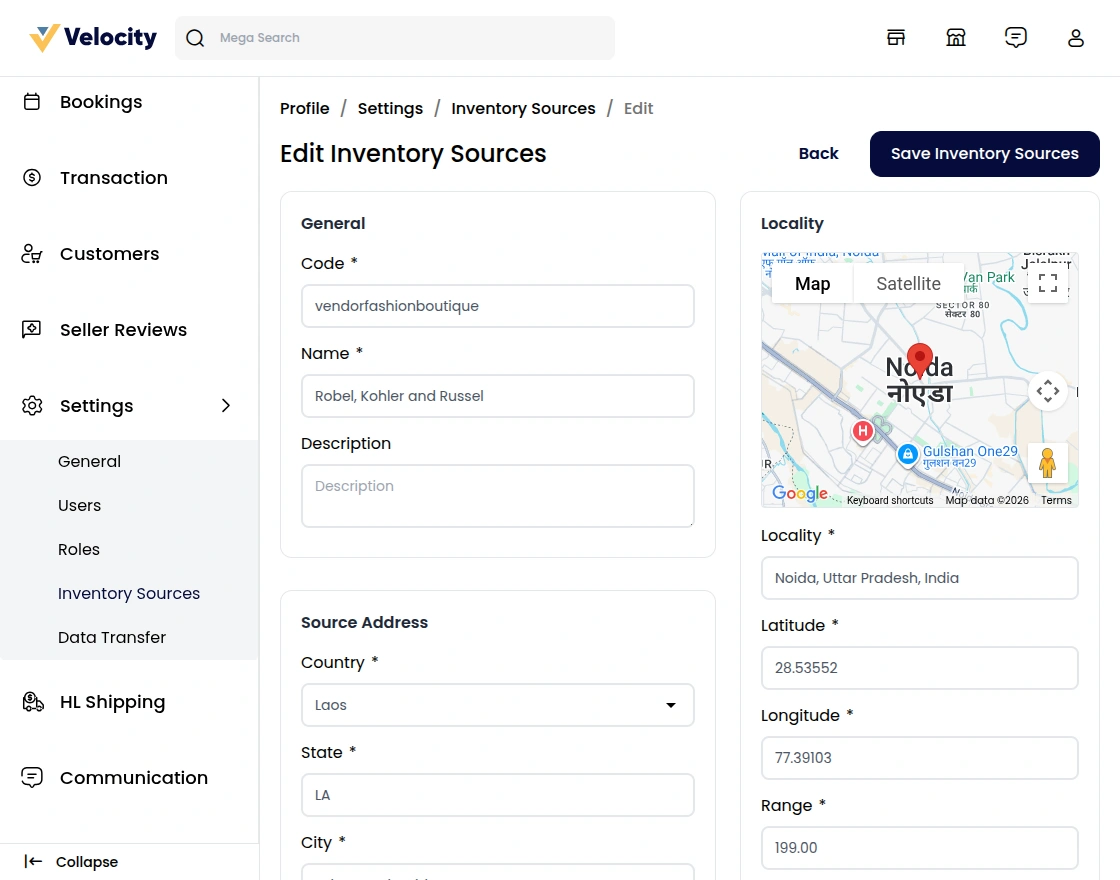
Sellers can define their inventory location, which ensures that their products are visible only to customers in nearby or selected areas, improving location-based accessibility and relevance.
Under the seller panel just need to navigate to Settings » Inventory Sources and enter the same Locality, Latitude, Longitude and Range fields, as shown below:-
Customer Management
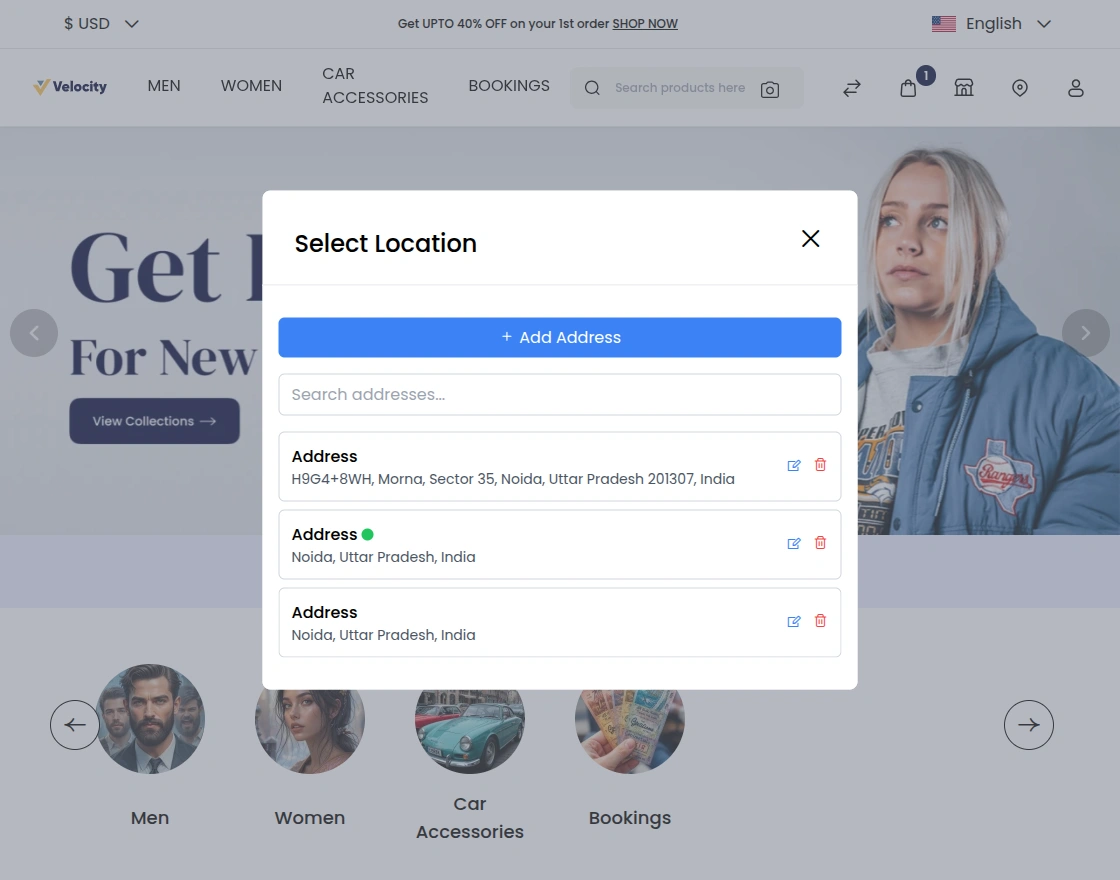
Enter your Location
When customers visit the website, a pop-up appears asking them to select their location. They click Add Address, search for the address, pick a suggestion (or move the pointer on the map), and click Save. Logged-in customers can save several addresses with a label and a default, and can edit, delete, or switch between them. Guest addresses are kept in the browser.
Products Available – Based On Customers’ Location
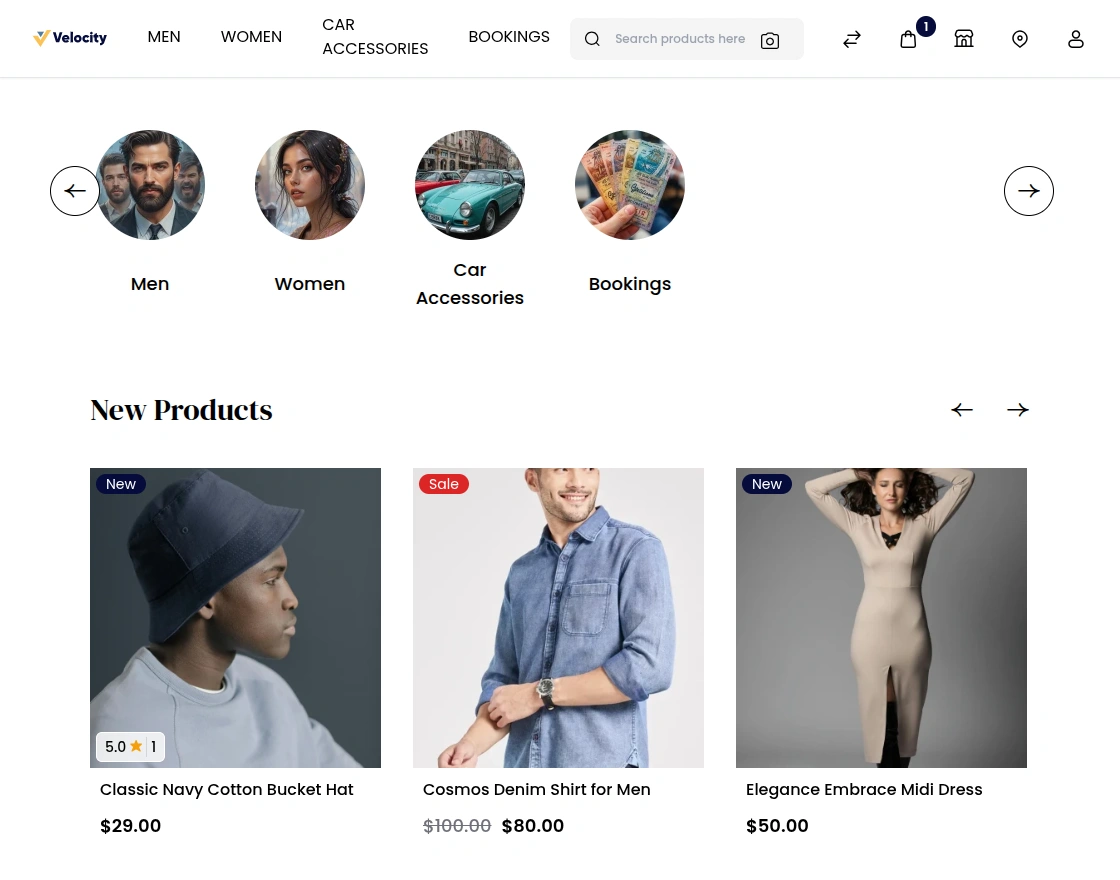
As soon as the customer enters the location, on the frontend of the customer will be able to see all the products who are available near the customer location.
To view the sellers available products, the customers needs to click on the set their location.
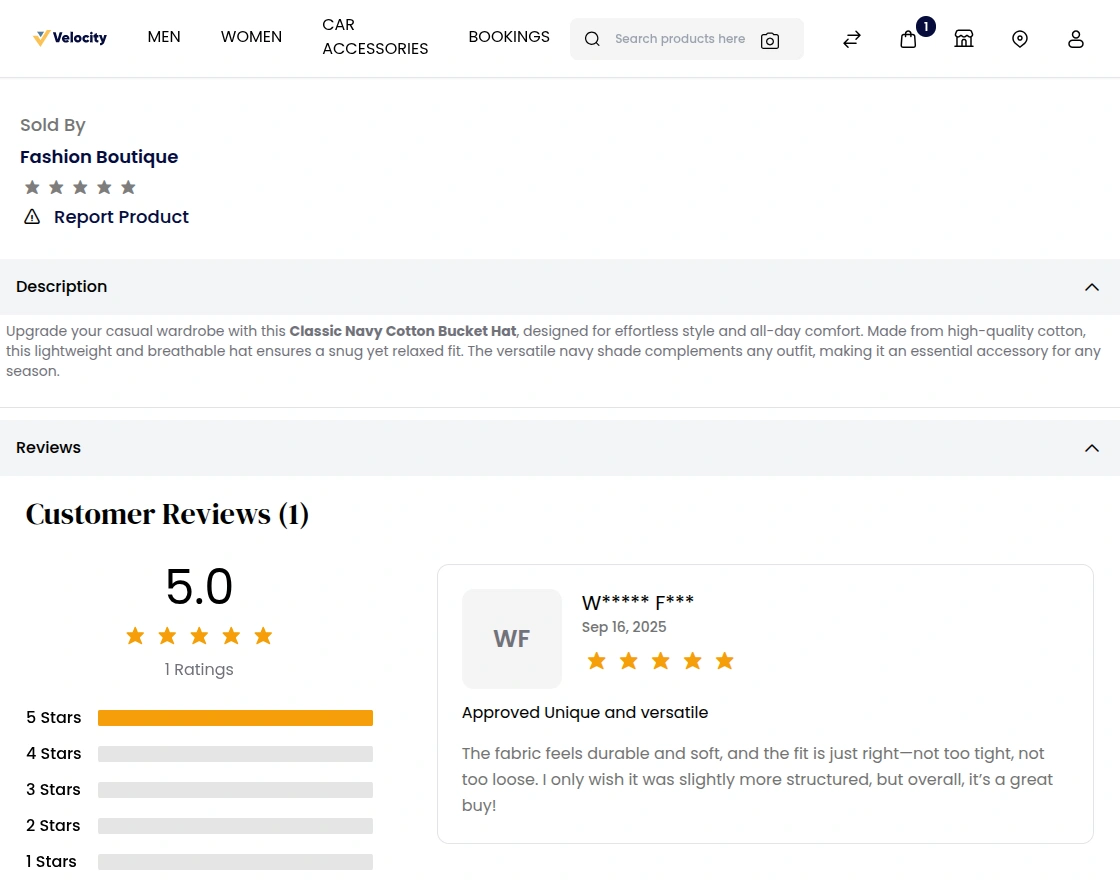
To View the products seller name the customer needs to click on the Product.
Location Change
When customers change their location while the cart has items, a pop-up asks them to confirm. After the change, products that are not available at the new location are removed from the cart.
If the admin has enabled single seller checkout
When the admin has enabled single seller checkout, the customer will be able to purchase product from a single seller only.
The customer will not be able to purchase product from different sellers. The alert pop up will generate.
Hyperlocal Shipping
Marketplace Hyperlocal Shipping allows sellers to deliver products only within a specific geographic area based on their location and customer proximity.
The admin enables it from Configure » Sales » Shipping Methods » Hyper Local Shipping, with Title, Description, Rate, Type (Per Unit or Per Order), and Status. The admin can view and import rates from Marketplace » Hyper Local Shipping.
Sellers manage their rates under HL Shipping in the seller panel:
- Shipping Rate – Rates by distance (from/to) and weight (from/to), added one by one or imported from a CSV file.
- Default Shipping Rate – A flat price used when no distance and weight rate matches.
If a seller has no matching rate and no default rate, the admin Rate from the shipping method configuration is used.
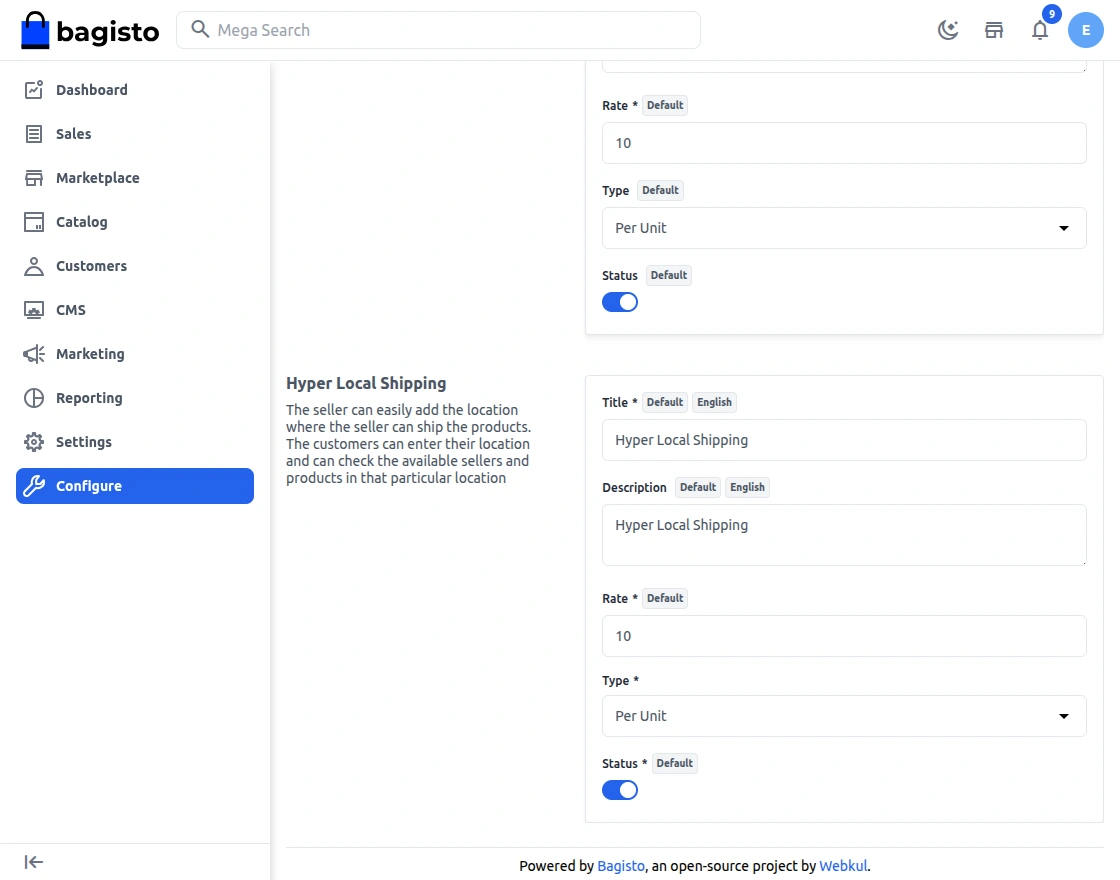
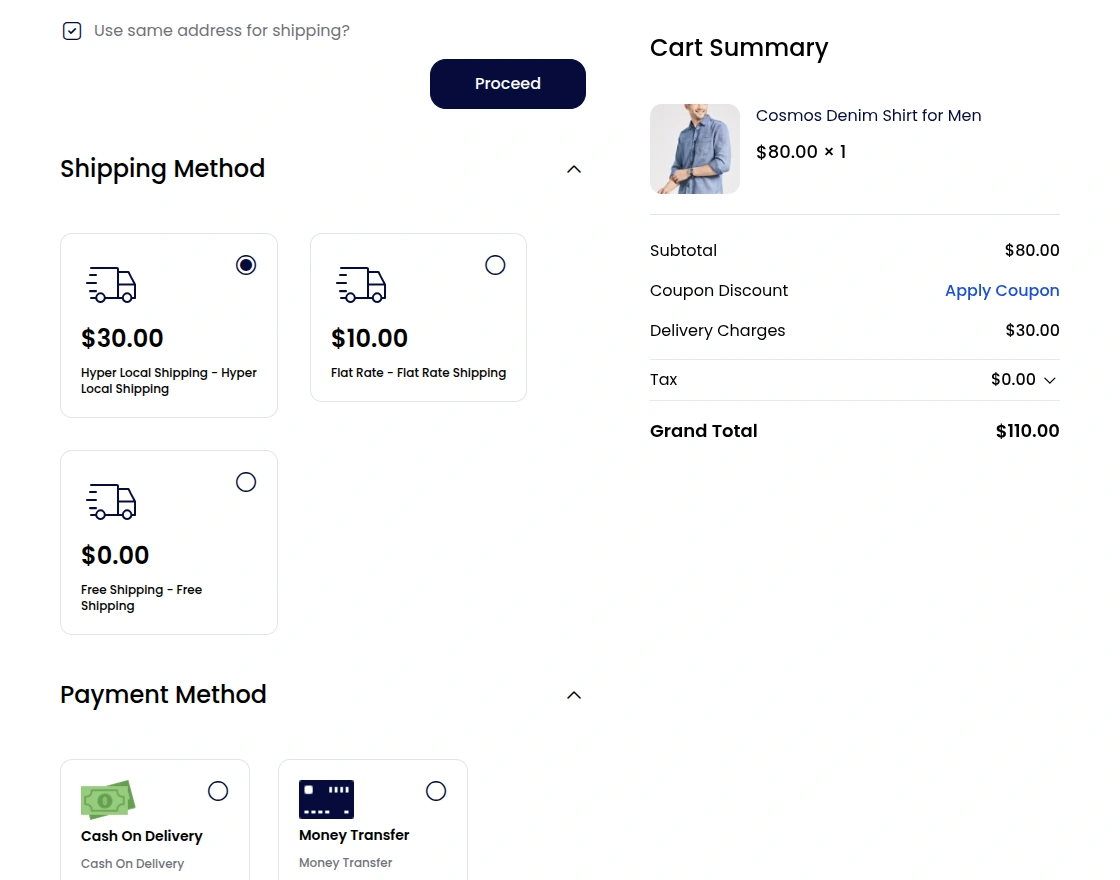
When a customer proceeds to checkout, they will see available hyperlocal shipping options based on their location.
Support
So, that was much about the User Guide of Laravel eCommerce Marketplace Hyperlocal Extension for any queries or doubts reach out to us at [email protected].
You can also raise a ticket at our HelpDesk System.
Please explore our Laravel Development Services and Quality Bagisto Extensions.
Current Product Version - v2.4.10
Supported Framework Version - Bagisto v2.4.10

Be the first to comment.