Akeneo Custom CSV Import with this connector, you can upload product information in Akeneo by importing product data from a customized CSV file.
You may import product information, as well as catalog elements such as families, categories, and characteristics.
Check a brief overview of the plugin –
Basic Requirements:
- This module works with Akeneo 3.0.x, 3.1.x, 3.2.x 4.0.x, 5.0.x and 6.0.x. Download Akeneo from here.
- Node and Yarn packages need to be installed.
- This module is compatible with the Akeneo community and Enterprise(Flexibility) edition.
- If you want to use this extension on Akeneo EE Serenity mode, please contact us.
- For the Akeneo installation, your Akeneo server should meet these system requirements.
Feature
- Import products from CSV file into Akeneo.
- Support product and product model import in CSV.
- Product import variations from CSV into Akeneo.
- Import multiple images of a product from CSV to Akeneo.
- Fields in Akeneo are mapped to CSV field codes.
- Import images with public image URL (Allowed extensions: jpeg, jpg, png, and gif)
- This module support multi locale and multi currency.
- Support option to the import category and family label.
- Create dynamic custom fields for every store.
- At the time of creation, select the kinds that the custom field supports.
- import category and family with a product.
- Support concatenate multiple and simple fields.
- Variant product mapping is also available.
- This module supports 2-level product import.
- This module is compatible with the latest Akeneo version 7.0.x
Installation
Two different types of module installation processes are available for the module.
- Composer Installation
- Manual Installation
Composer Installation
Before beginning the composer installation
1: Get the ACCESS KEYS [Create a support ticket]
2: In Akeneo composer.json, add our repository and the installation script.
Akeneo 6 and 7:
{
  "scripts": {
        "post-update-cmd": [
           "vendor/webkul/webkulcsvimportbundle/src/Webkul/WebkulCsvImportBundle/install/config.sh COMPOSER=true NO_DOCKER=true"
        ],
        "post-install-cmd": [
           "vendor/webkul/webkulcsvimportbundle/src/Webkul/WebkulCsvImportBundle/install/config.sh COMPOSER=true NO_DOCKER=true"
        ],
        "post-create-project-cmd": [
          "vendor/webkul/webkulcsvimportbundle/src/Webkul/WebkulCsvImportBundle/install/config.sh COMPOSER=true NO_DOCKER=true"
       ]
   },
  "repositories": [{
    "type": "composer",
    "url": "https://akeneorepo.webkul.com/"
  }]
}
For Akeneo <=5.x
{
  "scripts": {
        "post-update-cmd": [

"vendor/webkul/webkulcsvimportbundle/composer_install.sh"
        ],
        "post-install-cmd": [

"vendor/webkul/webkulcsvimportbundle/composer_install.sh"
        ],
        "post-create-project-cmd": [

"vendor/webkul/webkulcsvimportbundle/composer_install.sh"
       ]
   },
  "repositories": [{
    "type": "composer",
    "url": "https://akeneorepo.webkul.com/"
  }]
}
3: Use composer to install the extension
composer require webkul/webkulcsvimportbundle
4: Complete the authentication form.
5: Send a Message of Success
6: Delete your browser’s cache.
Manual Installation for Akeneo 6 and 7
- After unzipping the appropriate extension zip, merge the “src” folder into the akeneo project.
- From the PIM directory, run the following command over the NO-DOCKER Instance.
./src/Webkul/WebkulCsvImportBundle/install/config.sh COMPOSER=false NO_DOCKER=true
- Or you can run the command below over the PIM directory’s DOCKER instance.
./src/Webkul/WebkulCsvImportBundle/install/config.sh COMPOSER=false NO_DOCKER=false
Installing Module For Version 4.0.x to 5. x
Please follow these steps for installing the Akeneo Custom CSV Import module in your Akeneo PIM platform.
1 – Unzip the respective extension zip then merge the “src” folder into the Akeneo project root directory.

2 – Goto config/Bundles.php then add line:
Webkul\WebkulCsvImportBundle\WebkulCsvImportBundle::class => ['all' => true]

in the return array.
3 – Copy the “config” folder into the akeneo project root directory for routing.

4 – Run this command after ssh to your akeneo server by the terminal
rm -rf var/cache/ && php bin/console csvimport:setup:install
5 – If you are using php-fpm. Then you need to restart the php-fpm services and apache web server.
For Akeneo 5
sudo service php-fpm7.4 restart
For Akeneo 4
sudo service php-fpm7.3 restart
Docker Installation Command :
For Akeneo 5
alias docker_php='docker-compose run -u www-data --rm php php';
alias docker_yarn='docker-compose run -u node --rm node yarn';
docker_php bin/console cache:clear --env=prod;
docker_php bin/console pim:installer:assets --symlink --clean --env=prod;
docker_php bin/console d:s:u --force;
docker_yarn run webpack;
docker_yarn run update-extensions;
docker_yarn run less;
For Akeneo 4
alias docker_php='docker-compose run -u www-data --rm php php';
alias docker_yarn='docker-compose run -u node --rm node yarn';
docker_php bin/console cache:clear --env=prod;
docker_php bin/console pim:installer:assets --symlink --clean --env=prod;
docker_php bin/console d:s:u --force;
docker_yarn run webpack;
docker_yarn run less;
Installing Module For Version 3.x
Please follow these steps for installing the Akeneo Custom CSV Import module in your Akeneo PIM platform.
1 – Unzip the respective extension zip, then merge the “src” folder into the Akeneo project root directory.
2 – Goto app/AppKernel.php then add the line
new Webkul\WebkulCsvImportBundle\WebkulCsvImportBundle(),

3 – Goto app/config/routing.yml then add these lines at top of the file
webkul_csv:
     resource: "@WebkulCsvImportBundle/Resources/config/routing.yml"
     prefix:    /

4 – You have to restart your web server like Apache, Nginx. Run the command for the Apache webserver.
sudo service php-fpm7.2 restart
Common Issues After Installation

It might happen that even after proper installation, upon opening your Akeneo admin dashboard, you see a loading screen. In that case, do check for the following solution:
- Webpack Installation: If you get the below error It means that web pack is not installed in your system. Run the following command :
npm install --save-prod webpack npm install
- Module routing.yml is not configured properly. Re-check the routing.yml file as mentioned in the 3rd step of Module Installation
- Clear your browser cache.
Uninstallation for Akeneo 6 and 7
- From the PIM directory, run the command below over the NO-DOCKER Instance.
./src/Webkul/WebkulCsvImportBundle/uninstall/uninstall.sh COMPOSER=false NO_DOCKER=true
- Run the command below over the PIM directory’s DOCKER instance.
./src/Webkul/WebkulCsvImportBundle/uninstall/uninstall.sh COMPOSER=false NO_DOCKER=false
Akeneo Custom CSV Import – Workflow
The Akeneo Custom CSV Import connector symbol appears in the Akeneo dashboard when the connector is installed, as seen in the screenshot given below.
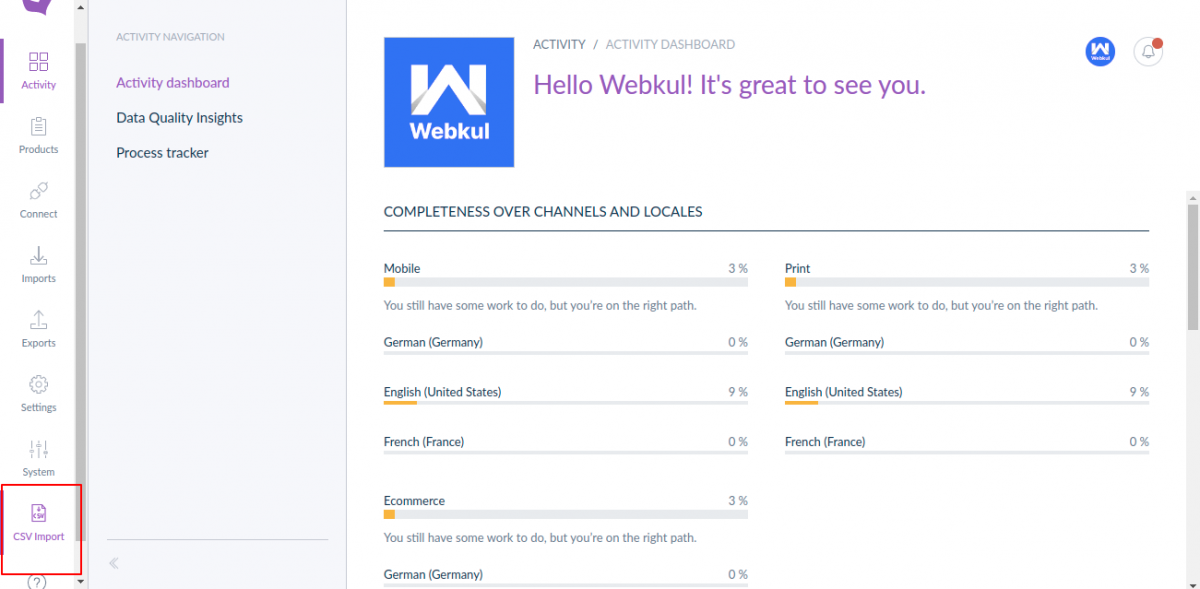
Product Mapping Fields in the CSV Connector
To set up a CSV connector, you need to click on the Akeneo Custom Csv import icon.
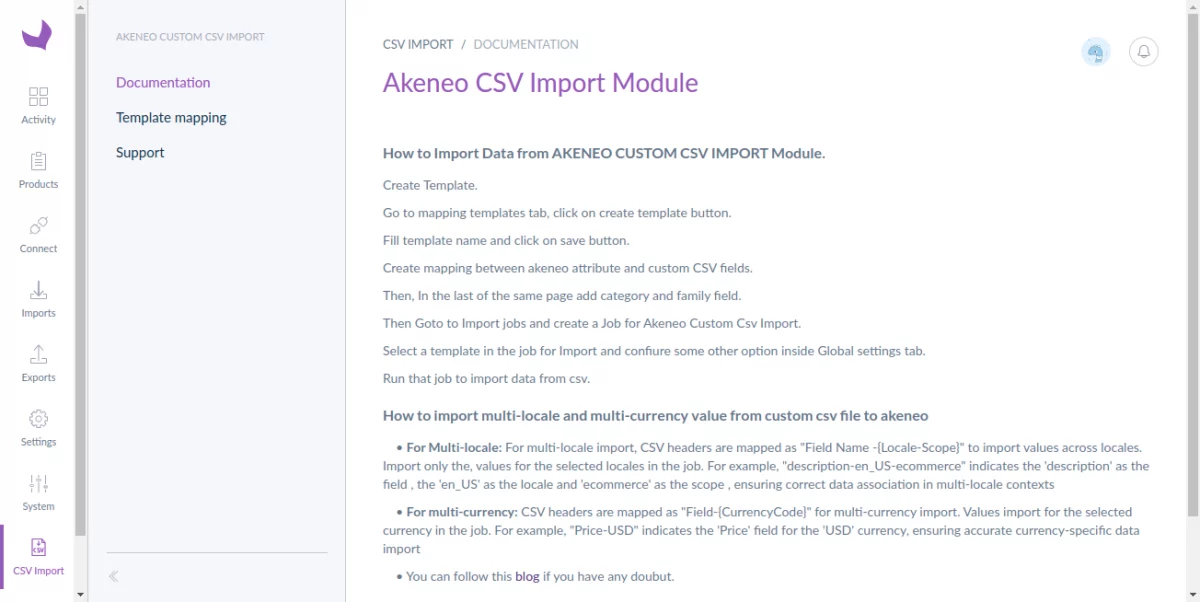
To create a new template, click on the Mapping Template tab. This allows you to create templates only by attribute code
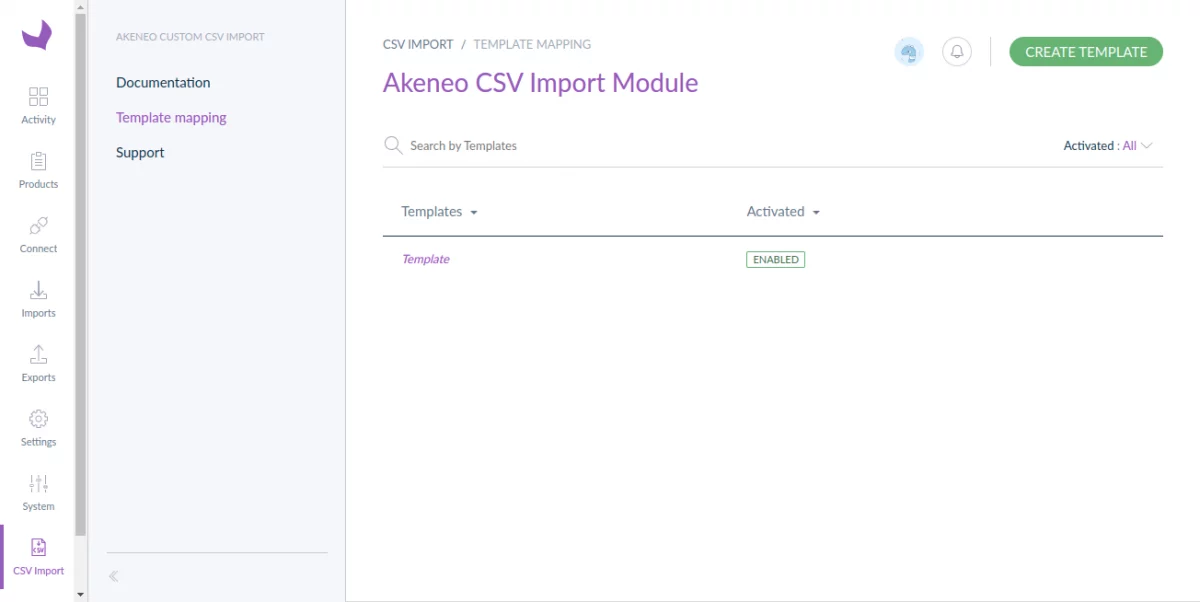
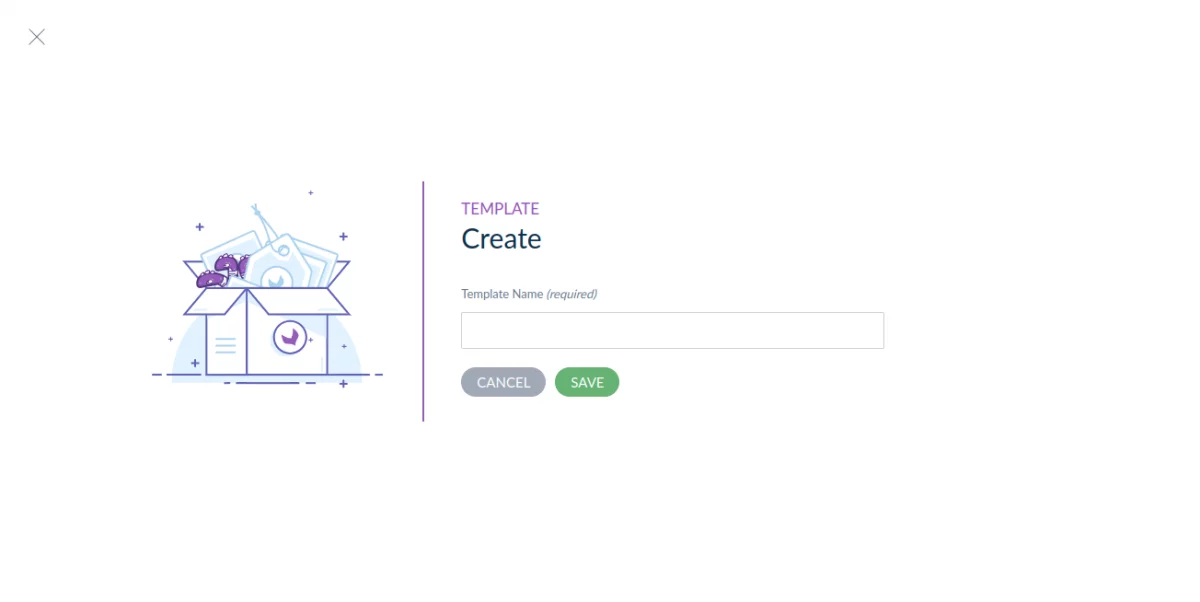
Click on Create Templates to create a new template.
After that, it will take you to a new screen where you must input the template’s name and click on SAVE Button.
Once you click on the save button, it will redirect you to a new page where you have to add fields.
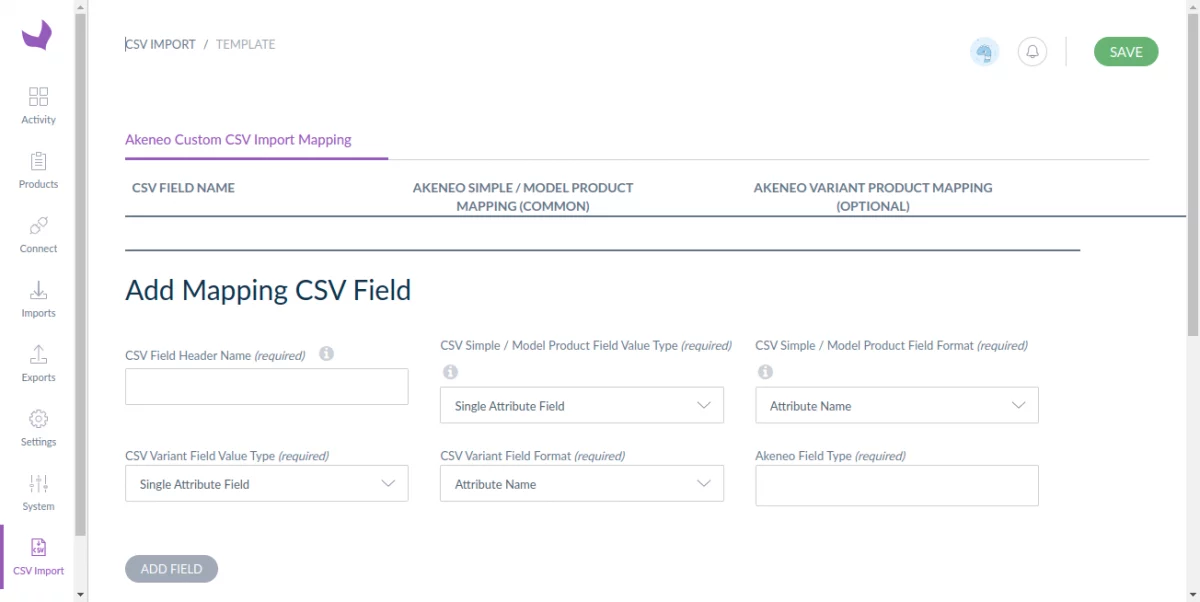
Add the header and all the details of the CSV file, then click on the add field button to add a field for mapping.
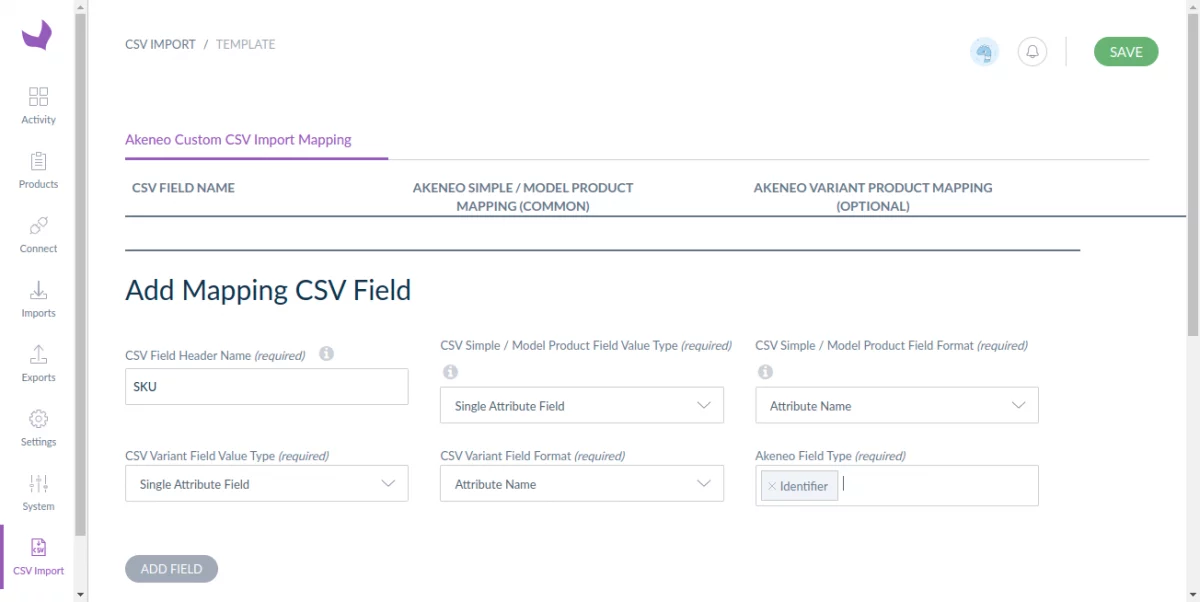
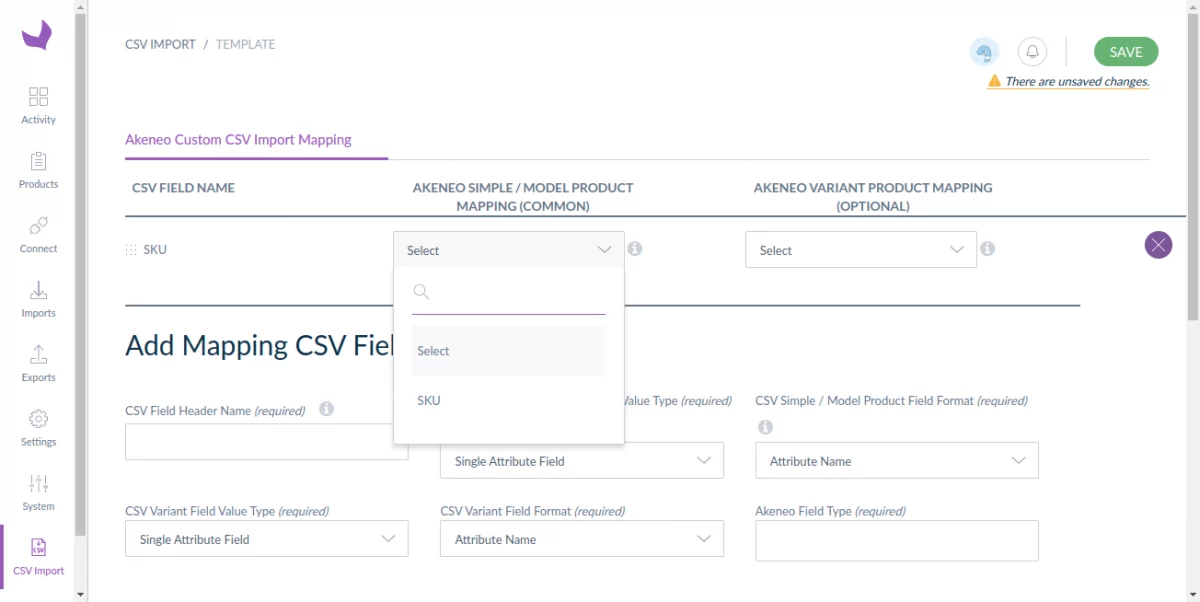
After that, you have to map the field with the Akeneo attribute SKU, which is one of the mandatory attributes that needs to be mapped for the import.
Similarly, you must add all of the fields and map them so that they can be used to properly map product attributes for your Akeneo and eCommerce product fields.
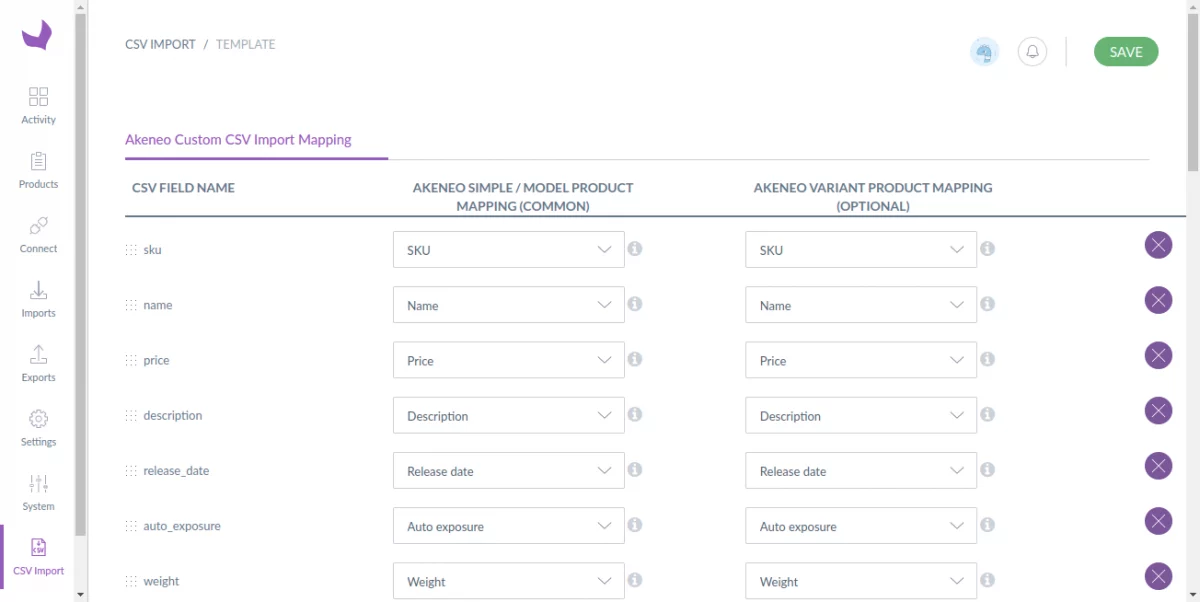
You can map Akeneo characteristics fields to eCommerce shop CSV fields in Akeneo fields. You may use the dropdown to choose the qualities you’ve generated and want to transfer.
Mapping Variant Products in Akeneo Custom CSV Import
You may import the variation product information and the parent product information using this mapping.
For example, if you have a variant product with a color variant such as Red or White. Then you can send product details, such as the price of the variant product.
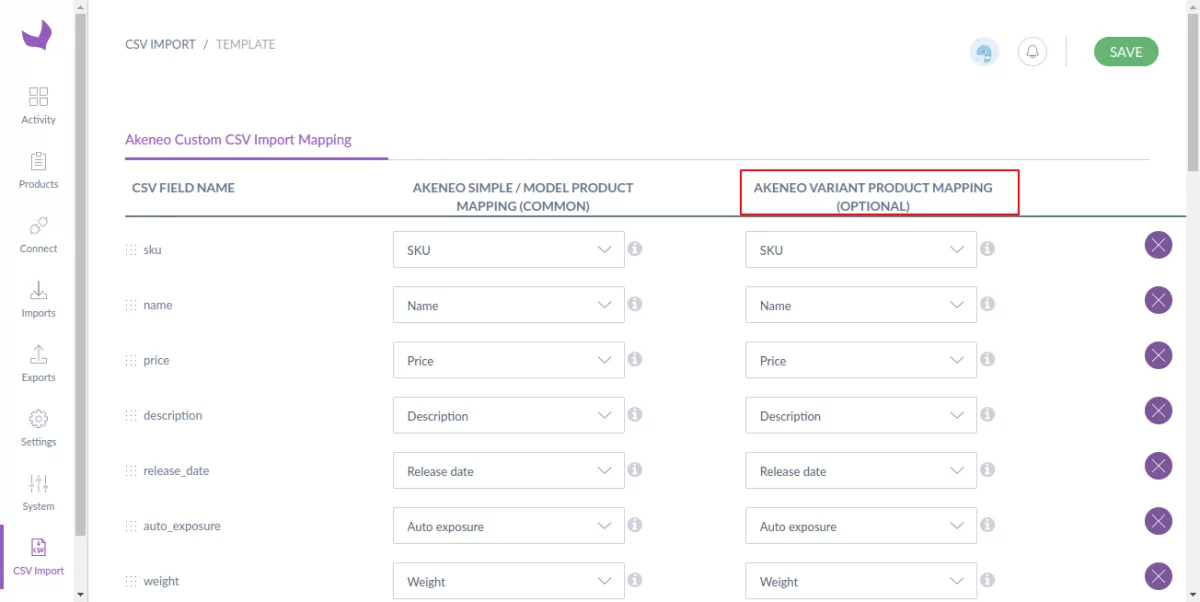
Add Mapping CSV Feilds
Create a new mapping with the Map more fields option if you want to map more CSV fields to Akeneo fields.
CSV Field Header Name: In this, you have to enter the header name the same as the CSV file in which you are going to import the value.
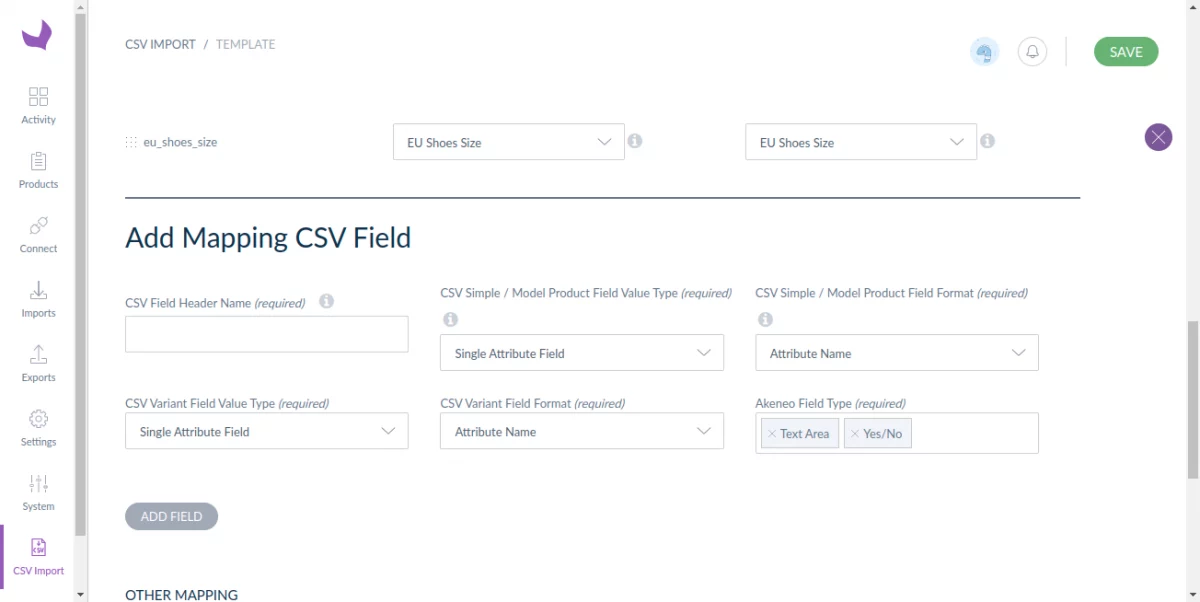
CSV Variant Field Value Type and CSV Simple / Model Product Field Value Type
You can choose from three fields here:
- Simple Field: You can use this field to map a single attribute to CSV attribute fields.
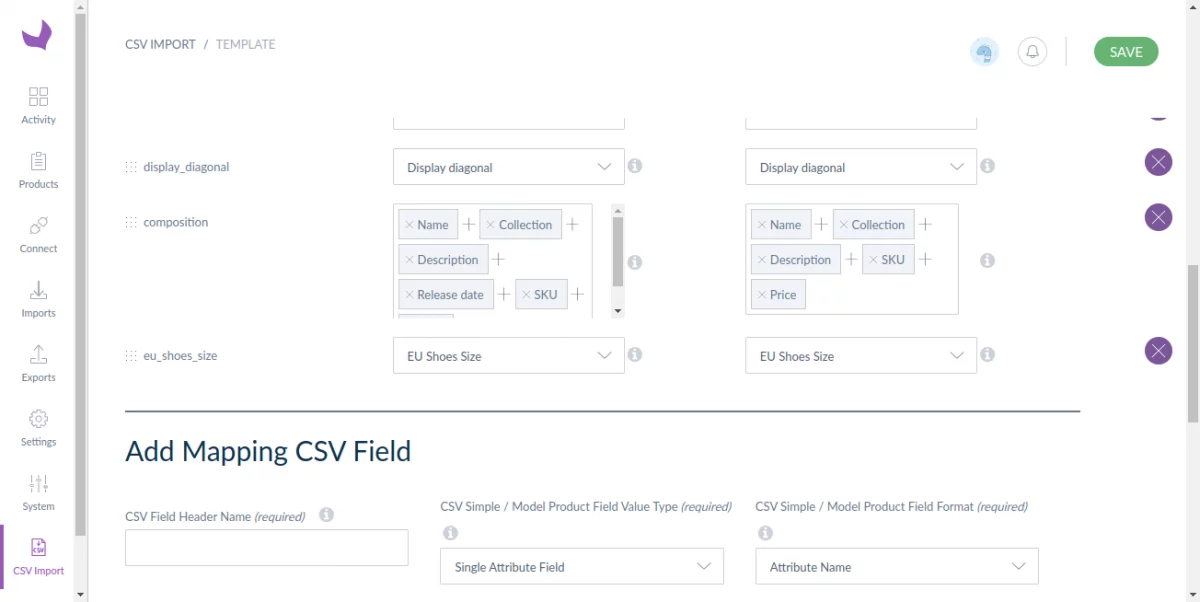
- Concatenate Field :Multiple product attributes in Akeneo fields can be concatenated using this option.
Note: Choose the attribute value that is must be defined in the CSV file when mapping text and text area type attribute codes only in the CSV file and template for concatenate field type.
Other Mapping
- CSV Category Field: In this section, you have to enter the category header name as entered in the CSV file.
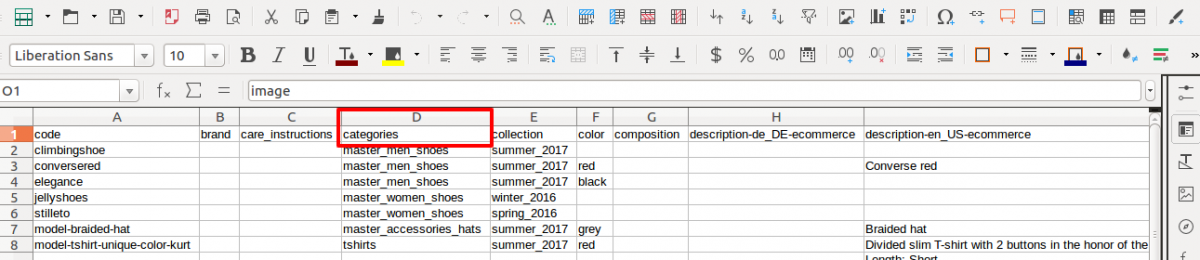
- CSV Family Field: In this section, you have to enter the family header name as entered in the CSV file.
- Multiple Value Separator: You can use multiple value separators, such as (,) to separate food, clothing, and accessories.
- CSV Simple / Model Product Field Format Separator: If you wish to separate the name and value of an attribute, use a separator like (/).
- CSV Variant Field Format Separator: Use a separator like (/) to separate the name and value of a variation product attribute.
- Parent Code Field: You can add the Akeneo parent code here. In which product variant will be imported
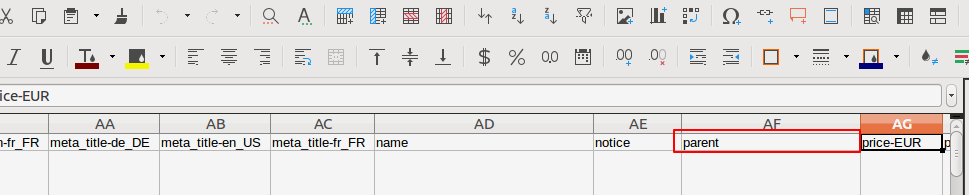
- CSV Product Type Field: Here you may save your Akeneo product type which you will enter into the CSV file.
- Family Variant Field:In this section, you have to enter the family variant header name as entered in the CSV file.
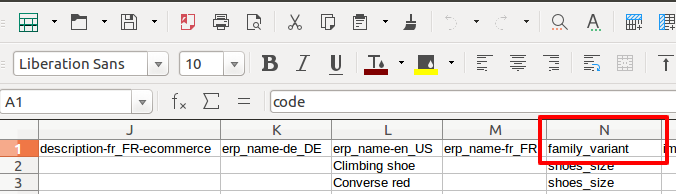
- Simple Product Type Value: Here, you need to enter the value of the simple product type.
- Model Product Type Value: Here, you need to enter the value of the model product type.
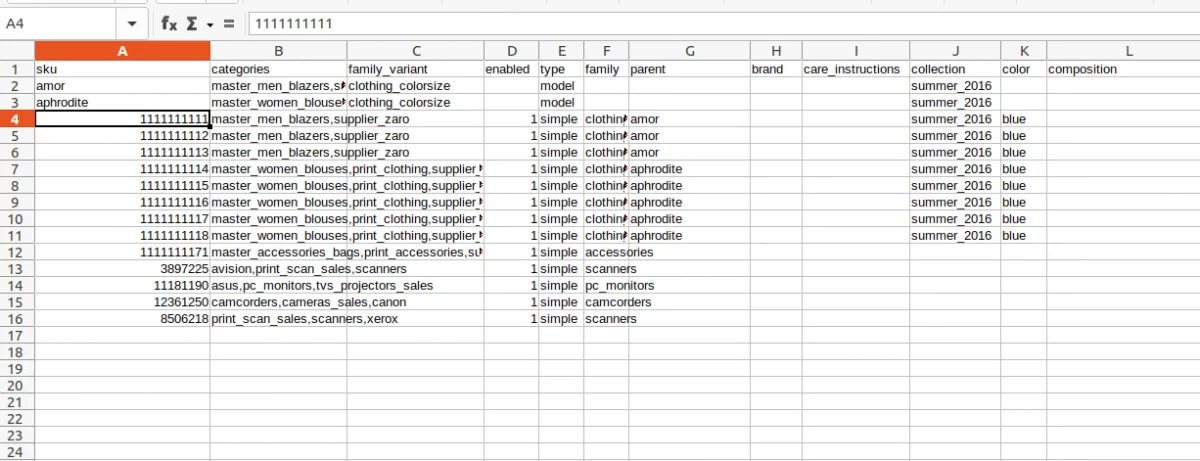
Note: A type header is needed in the specification so that the simple and model product model can be differentiated.
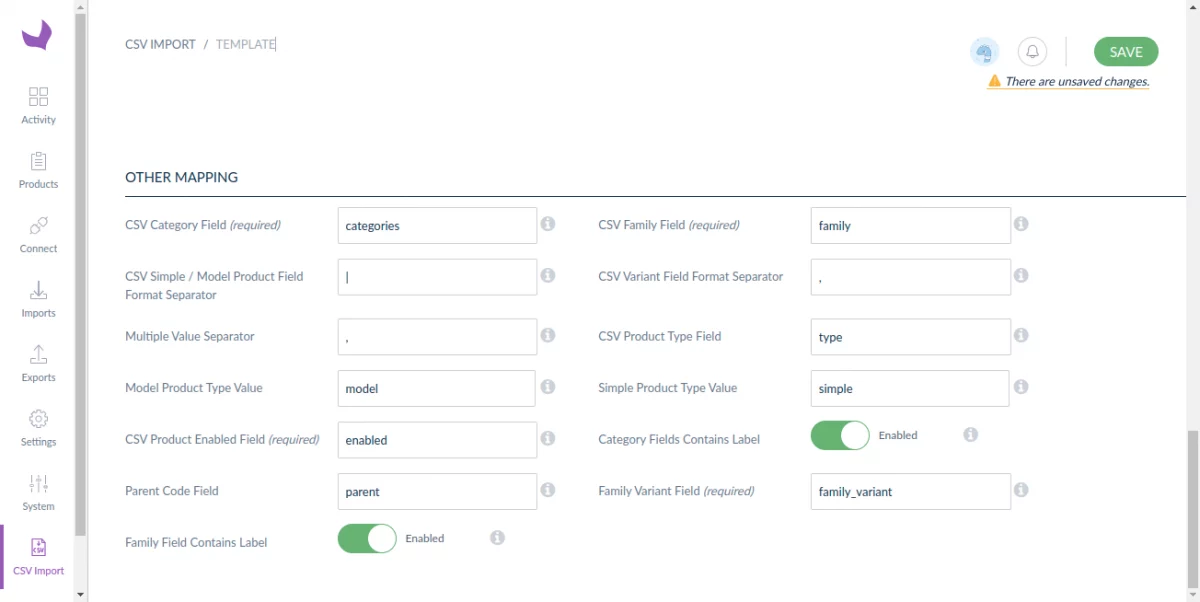
- Category Feilds Contains label: You can enable or disable category fields containing labels along with code in Akeneo.
- Family Field Contains Code: You have to enable this option when you want to import the family label instead of the code.
Create Import profile
To import your product information, you must first create a job profile and then run it.
To begin, navigate to Imports > Create Import Profile.
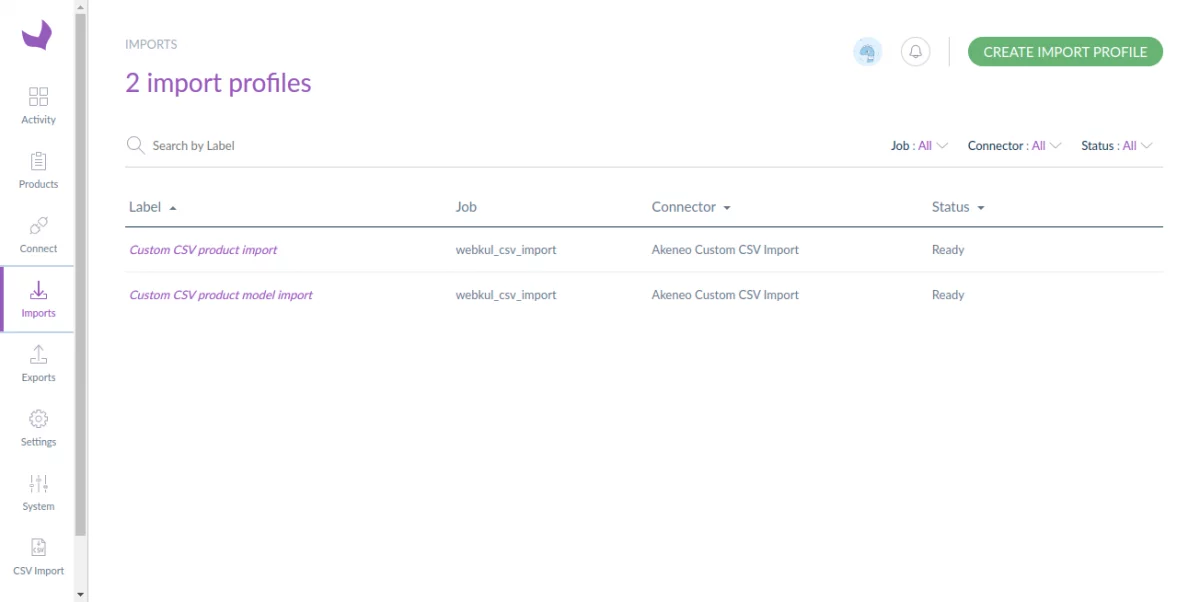
then enter a unique code, a label, and a job profile.

After that, you have to select the Job profile and click on the Save button and see your import profile.
Global Settings
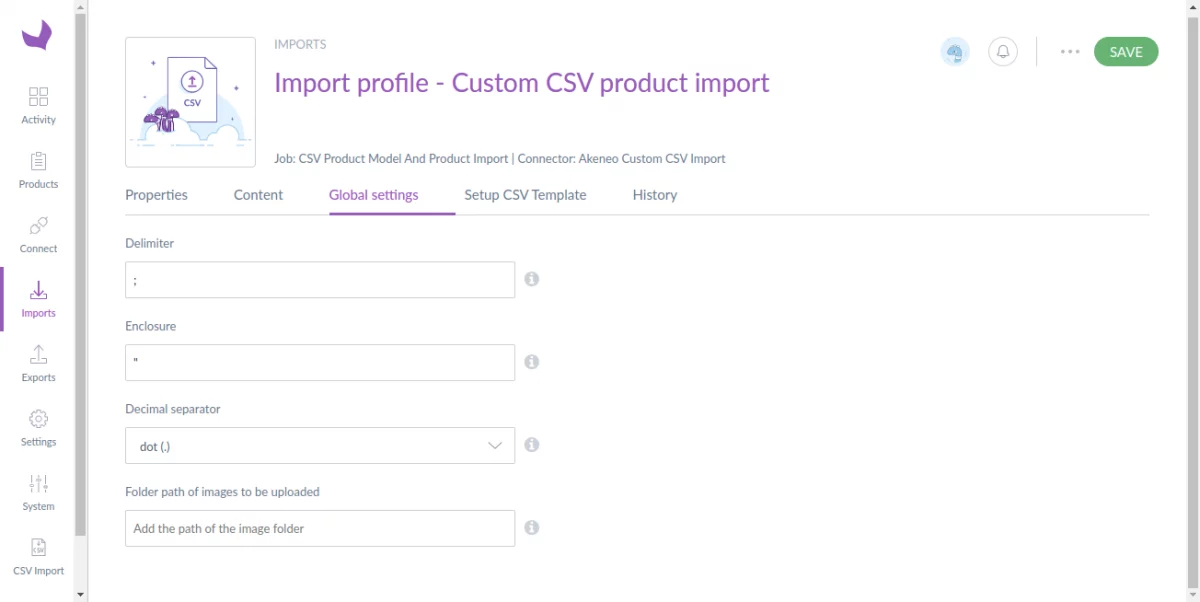
You must fill in the details shown in the image below, such as
- Decimal separator
- Delimiter
- Enclosure
- Folder path of images to be uploaded: Add the image folder path to import product images with the names provided in the product csv.
If you are adding a public URL, then you must leave the space blank of “Folder path of images to be uploaded”.
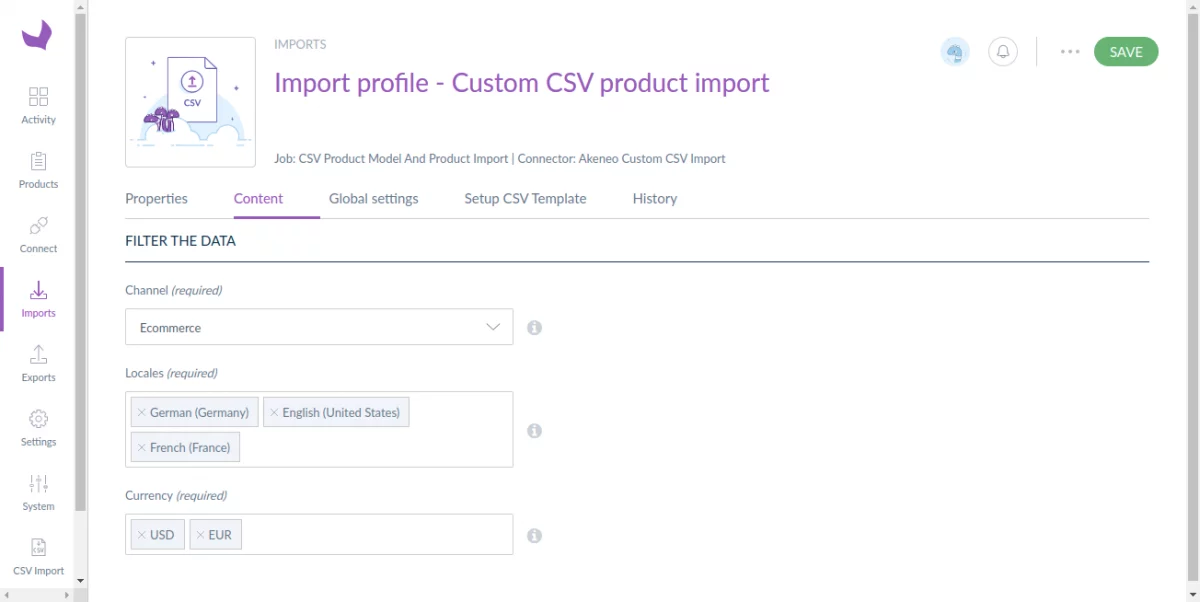
Afterward, Go to the Content section now and choose from the following options:
- Channel – In this you have to select the relevant channel of the product to import.
- Currency – You must choose the currency here.
Note: Multi-currency import, CSV headers are mapped as “Field-{CurrencyCode}”. values import for the job’s chosen currency.
As an example, “Price-USD” denotes the ‘Price’ field assigned to the ‘USD’ currency, ensuring exact import of data related to currency.
You don’t need to add a suffix if you want to add the same value in all currencies.
- Locales – Depending on your needs, choose one or more Locales.
Note: Multi-locale Import: To import values across locales, CSV headers are mapped as”Field Name -{Locale-Scope}”.Only the values for the job’s chosen locales should be imported.
Example:”description-en_US-ecommerce” provides correct data association in multi-locale conditions by designating “description” as the field, “en_US” as the locale, and “ecommerce” as the scope.
You don’t need to add a suffix if you want to add the same value in all locales.
Setup CSV Template
You can select the template here, then click the Save button and proceed to the next step to run this profile.

Product Import
You must click the Upload A File button in Akeneo after creating and filtering data in the import profile.
Afterward, you need to drop your CSV file below and click on the Upload and Import Now buttons.
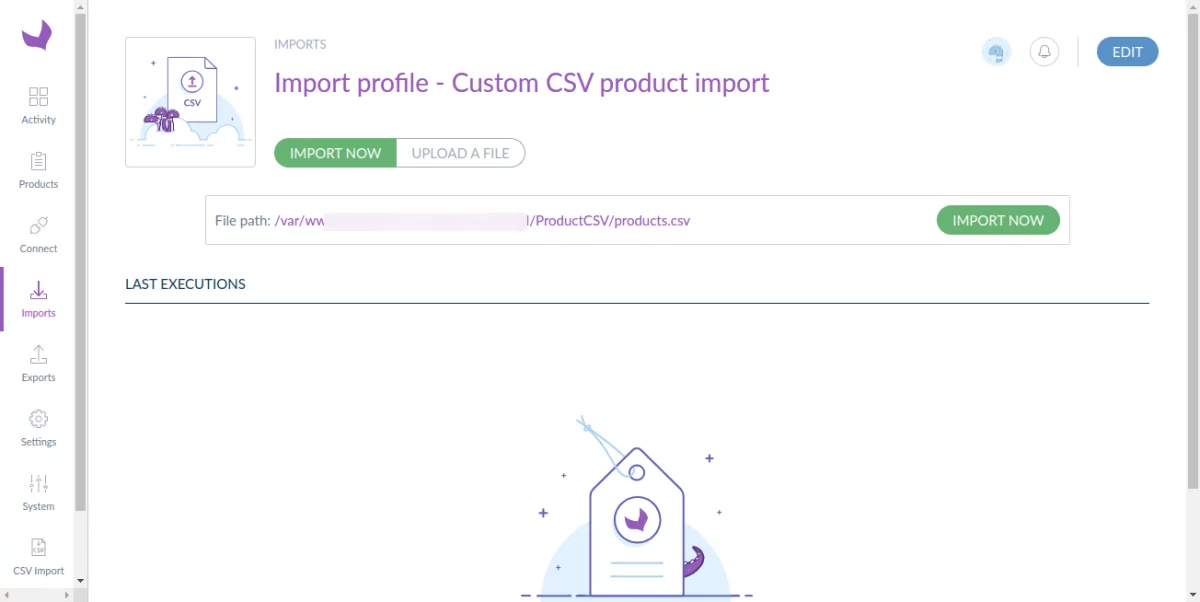
After clicking on Upload and Import now button, wait for the execution process to complete.
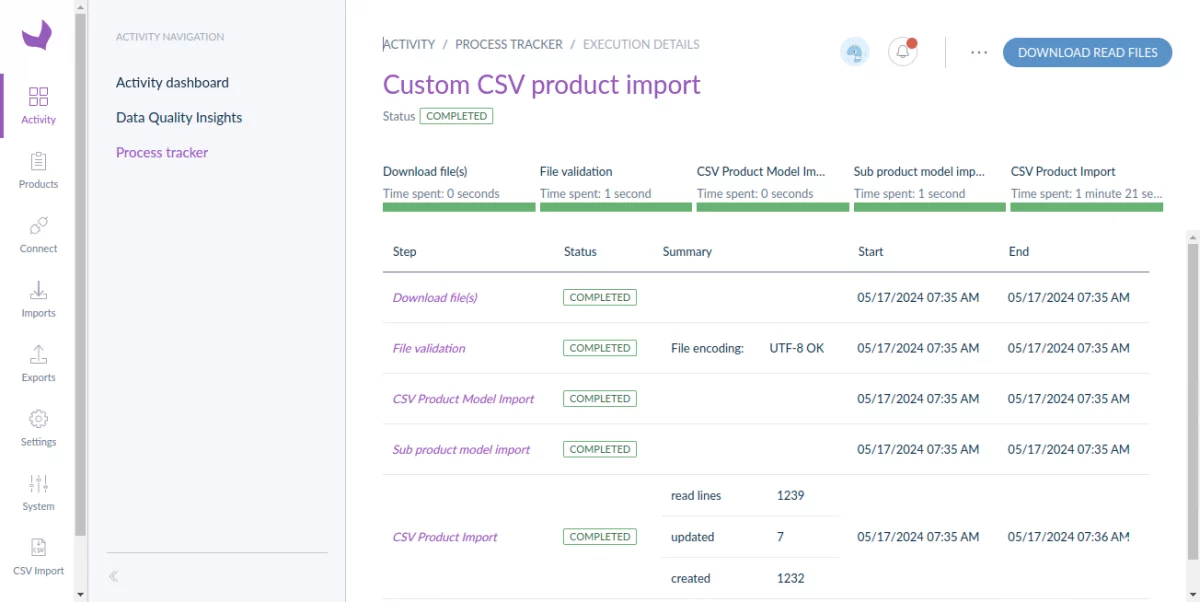
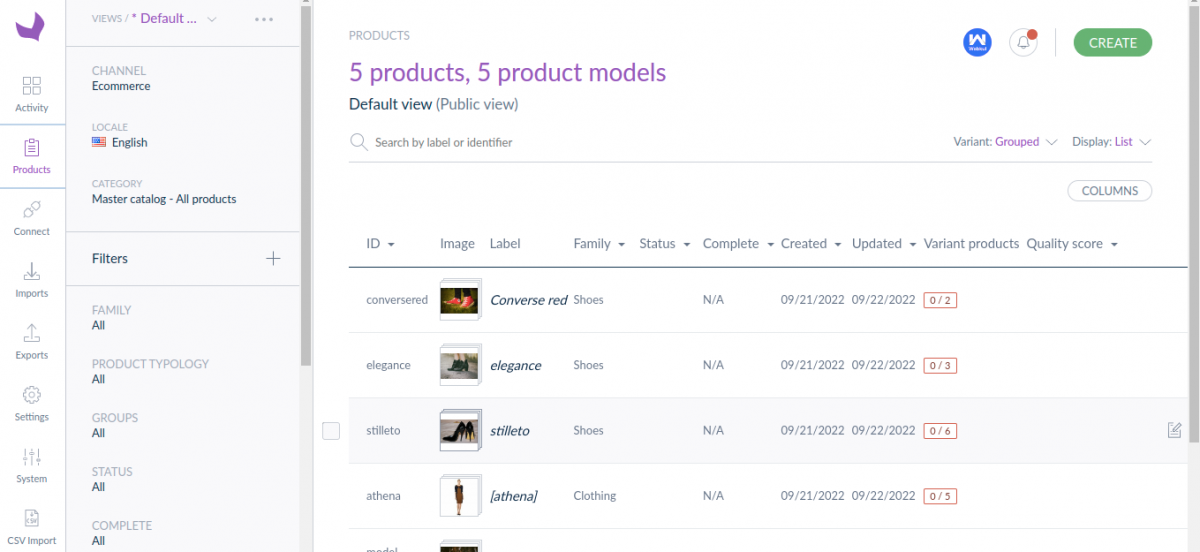
After the completion of the import job, the products will appear in the Akeneo product list, as seen in the screenshot given below.
Support
So, that was much about the User guide of Akeneo Custom CSV Import for any queries or doubts reach out to us at [email protected] .
You can also raise a ticket at our HelpDesk system webkul.uvdesk.com.
Current Product Version - Akeneo 3 to 5 ||1.0.0, Akeneo 6 || 2.0.0 and Akeneo 7.0.x || 3.1.0
Supported Framework Version - 3.x.x & 4.x.x & 5.x.x

Be the first to comment.