Introduction
Want an online store without costly licenses? Open Source eCommerce platforms provide flexible, affordable business control.
Whether you’re launching a new shop or scaling your operations, Open Source tools let you tailor your store’s features, design, and integrations to meet your exact needs.

In this article, we explore the top 10 open-source and free eCommerce platforms in 2025.
Platforms include Bagisto, WooCommerce, Magento, PrestaShop, Odoo, NopCommerce, Saleor, Spree Commerce, OpenCart, and Shopware.
What Are Open-Source eCommerce Platforms?
Open-source eCommerce platforms are software solutions that allow you to access and modify their source code.
This allows businesses to modify, customize, and enhance functionality without being locked into proprietary systems.
- Full Control: Customize features, design, and functionality to your exact needs.
- No Recurring Fees: Unlike SaaS platforms with monthly charges, open-source platforms only require hosting and optional add-ons.
- Flexibility: Adapt the platform as your business grows — add features, integrate third-party tools, and scale effortlessly.

Comparison Table: Top 10 Open Source eCommerce Platforms
| Platform | Technology | Best For | Key Features | Headless Support | Popularity (GitHub Stars) |
| Bagisto | PHP (Laravel) | Enterprises, B2B/B2C, complex stores | Multi-channel, modular, GraphQL, headless | Yes | 24600+ |
| WooCommerce | PHP (WP) | WordPress users, SMBs | Plugin ecosystem, user-friendly | Limited | 10100+ |
| Magento | PHP (Zend) | Large businesses, complex stores | Advanced catalog, APIs, scalable | Yes | 12000+ |
| Odoo | Python | ERP + eCommerce integration | ERP modules, drag-and-drop builder | Limited | 47600+ |
| PrestaShop | PHP | International stores | Multi-currency/language, modular | No | 8900+ |
| NopCommerce | .NET | Enterprises, Windows stack | B2B/B2C, scalable, secure | No | 9900+ |
| Saleor | Python/Django | Developers, headless solutions | GraphQL API, API-first, headless | Yes | 22400+ |
| Spree Commerce | Ruby on Rails | Developers & scalable businesses | Modular architecture, API-driven, multi-store, customizable | Yes | 15100+ |
| OpenCart | PHP | Startups & small businesses | Easy setup, multi-store, extensions, SEO-friendly | No | 8000+ |
| Shopware | PHP (Symfony) | Mid to large businesses | Drag-and-drop builder, API-first, marketing tools, SEO-ready | Yes | 3200+ |
Top 10 Open Source & Free eCommerce Platforms in 2025
Choosing the best open source eCommerce platform to start your business is always hard due to the availability of various options.

1. Bagisto
Best For: Developers and businesses looking for a modern, scalable, and highly customizable enterprise-ready eCommerce solution.
Overview:
Bagisto is a Laravel-based eCommerce platform designed for businesses that require scalability, flexibility, and enterprise-level performance.
Built with a modular architecture, Bagisto enables teams to customize, extend, and scale their stores efficiently as business needs grow.
Backed by a strong open-source community, Bagisto is widely adopted by developers, with 24,600+ stars on GitHub, reflecting its maturity, stability, and real-world usage.

Key Features:
- Built on Laravel and Vue.js
- Headless and GraphQL support
- Multi Vendor Marketplace Support
- Open Source Mobile app available for iOS and Android
- Multi-channel & multi-warehouse inventory
- Active open-source community
- Modern UI/UX and scalable architecture
Bagisto offers enterprise-grade features, making it ideal for businesses ready to scale.
Its developer-friendly environment and open-source nature allow complete control over your store’s functionality.
2. WooCommerce
Best For: WordPress users and small to medium-sized businesses.
Overview:
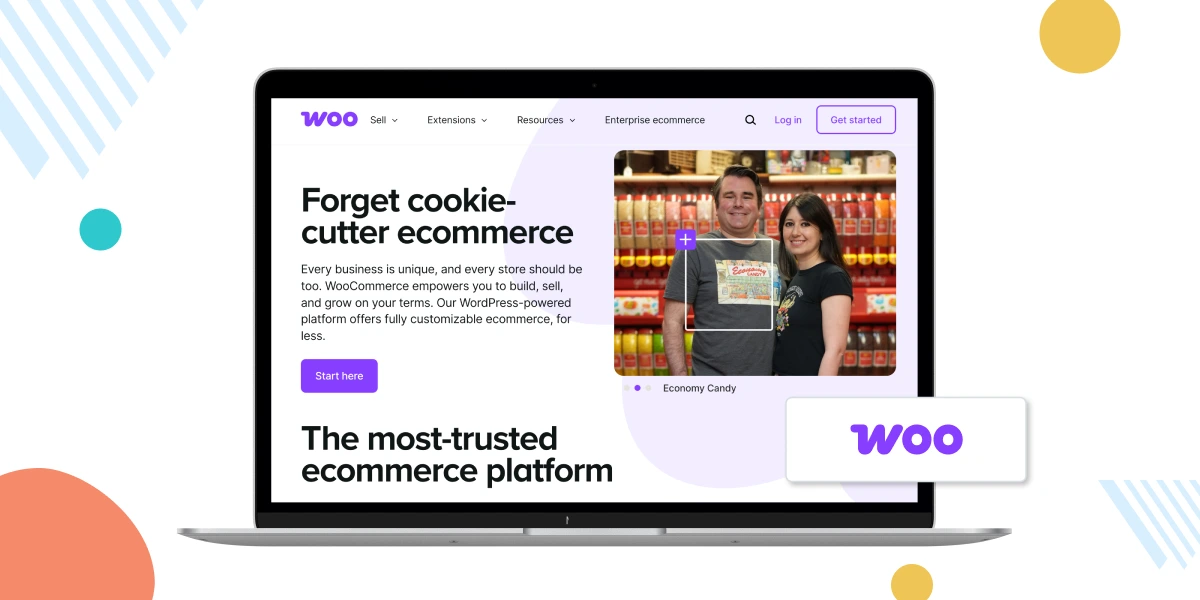
WooCommerce is the go-to plugin for WordPress users who want to add eCommerce features to their existing sites.
Key Features:
- Seamless integration with WordPress CMS
- Vast plugin and theme ecosystem
- Simple product and order management
- Developer-friendly and extensible
WooCommerce is perfect if you’re already using WordPress and want to add eCommerce functionality without switching platforms.
Its ease of use and flexibility make it a top choice for small businesses.
3. Magento
Best for: Feature-rich, large-scale eCommerce operations
Overview:
Magento is a long-established powerhouse in open-source eCommerce, built for medium to large businesses needing extensive functionality.

Key Features:
- Advanced product and catalog management
- Multi-store and multi-language support
- Robust APIs for integrations
- Large ecosystem and community for Magento development.
Magento’s complexity pays off for businesses with dedicated developers and a need for full customization.
4. Odoo eCommerce
Best for: Businesses seeking an integrated ERP + eCommerce solution.
Overview:
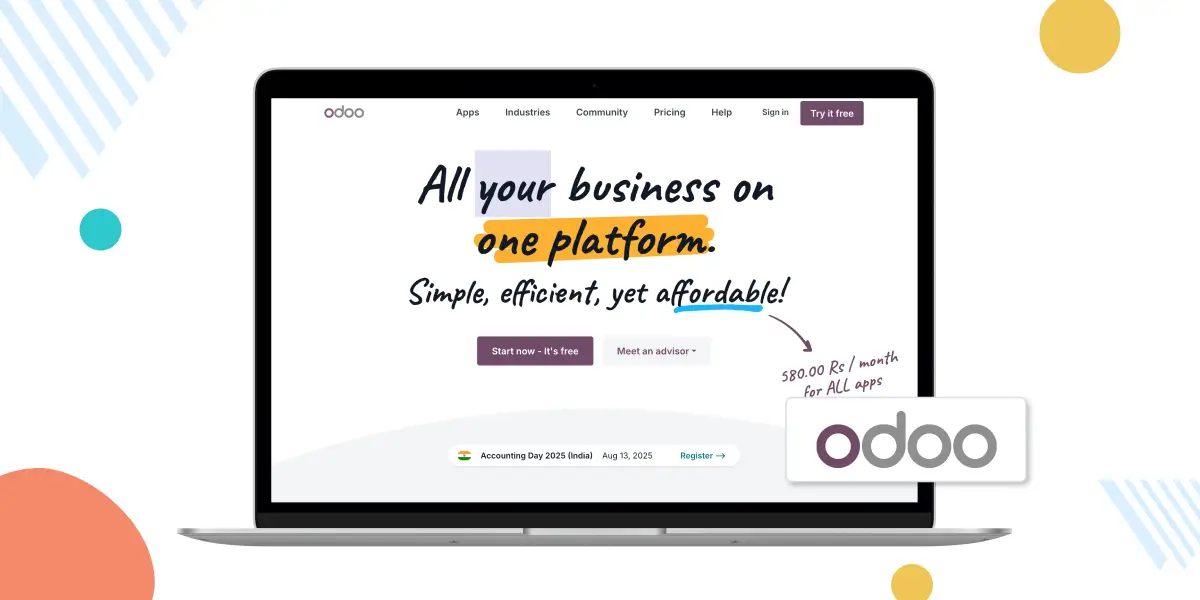
Odoo combines e-commerce with CRM, inventory, accounting, and other business apps in one platform.
Key Features:
- Seamless integration with Odoo ERP modules
- Drag-and-drop website builder
- Built-in marketing automation tools
- Strong developer and partner network
Odoo is perfect for companies looking for a unified business management suite under one roof.
5. PrestaShop
Best for: Multilingual and international eCommerce
Overview:
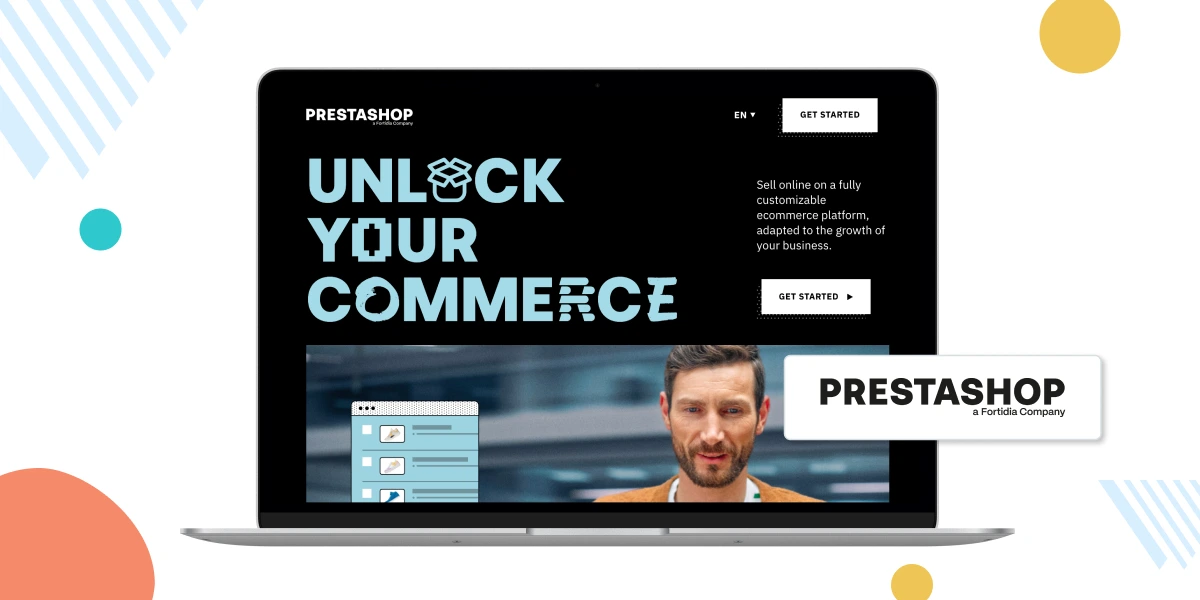
PrestaShop is a feature-rich platform designed for merchants who want a balance between ease of use and customization.
Key Features:
- Multilingual and multi-currency support
- Strong module/theme marketplace
- Open-source with optional professional support
- Modular, extensible architecture
PrestaShop is an excellent platform for businesses planning to expand internationally.
Its extensive features and modular approach make it easy to tailor the platform to your specific needs.
6. NopCommerce
Best for: Windows-based enterprise stores
Overview:
NopCommerce is a .NET-based platform built for enterprise-grade flexibility and security.

Key Features:
- Supports both B2B and B2C models
- Scalable and mobile-ready
- Rich admin interface with RBAC
- Open-source and extendable
If your business prefers Microsoft technologies, NopCommerce provides a robust and scalable option.
7. Saleor
Best for: Headless commerce and custom frontend development
Overview:
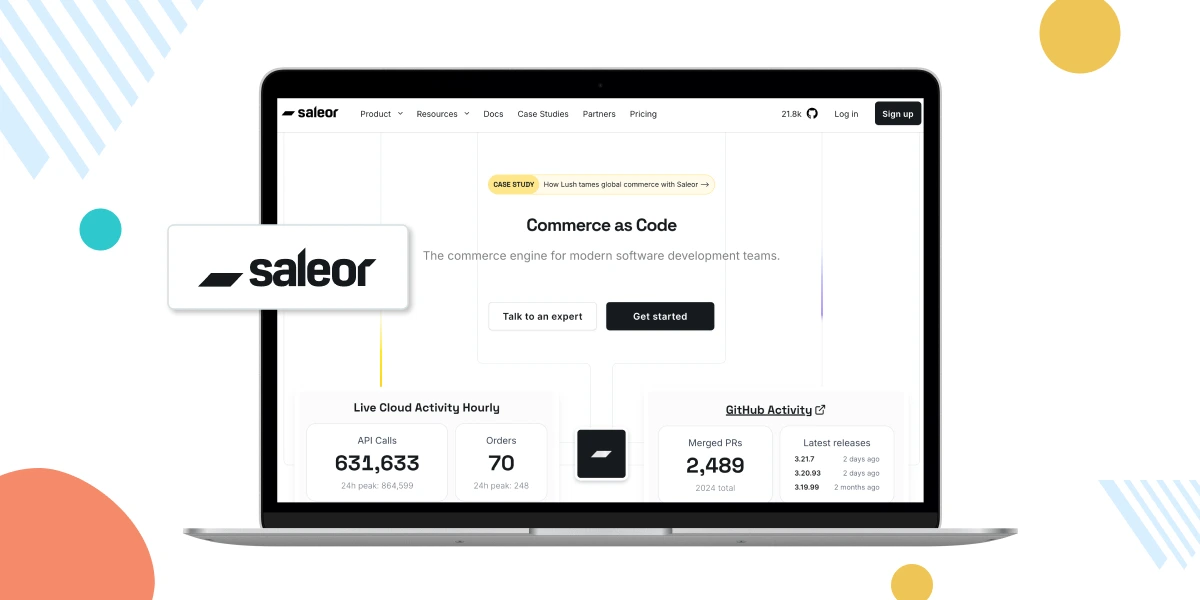
Saleor is a modern, GraphQL-powered, API-first eCommerce platform built on Python and Django.
Key Features:
- Full headless support
- GraphQL API for seamless integrations
- Ideal for JAMstack or React/Next.js frontends
- Open-source with enterprise features available
Saleor is best for development teams aiming for flexibility, speed, and high performance.
8. Spree Commerce
Best For: Developers and businesses looking for flexibility and scalability.
Overview:
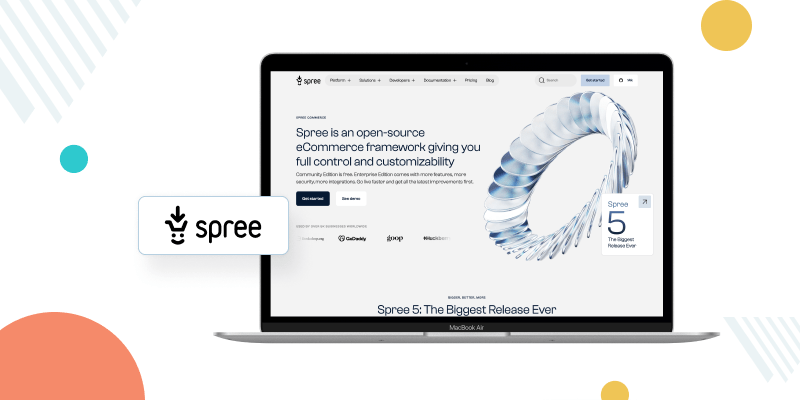
Spree Commerce is an open source eCommerce platform built with Ruby on Rails.
It provides a highly customizable framework for creating unique online stores tailored to complex business needs.
Key Features:
- Modular architecture for easy customization
- Supports multiple stores and currencies
- Strong API for integrations and extensions
- Active developer community
Spree Commerce is ideal for businesses that need full control over their store’s functionality and design.
Its open-source nature offers the freedom to modify and extend features as your business grows.
9. OpenCart
Best For: Startups and small businesses seeking simplicity and speed.
Overview:
OpenCart is a lightweight open source eCommerce platform known for its easy setup and user-friendly interface.
It helps merchants quickly build and manage their online stores without heavy technical knowledge.

Key Features:
- Intuitive admin dashboard
- Wide range of free and paid extensions
- Multi-store and multi-language support
- Strong community and documentation
OpenCart is a great choice for newcomers to eCommerce who want an affordable and customizable solution without complex configurations.
10. Shopware
Best For: Mid-sized to large businesses focused on modern customer experiences.
Overview:
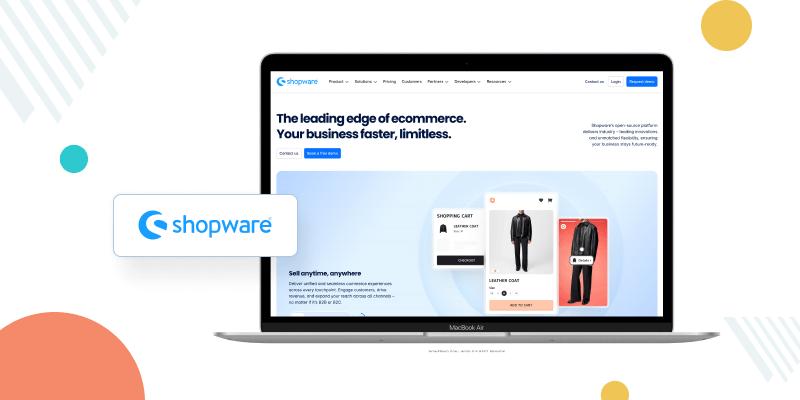
Shopware is a flexible open source eCommerce platform designed for creative and scalable digital commerce.
It combines advanced features with a user-friendly interface to deliver engaging shopping experiences.
Key Features:
- Drag-and-drop page builder
- API-first and headless-ready architecture
- Powerful marketing and SEO tools
- Active global community
Shopware suits merchants seeking visually striking, high-performing online stores while enjoying complete control with open-source flexibility.
Conclusion
The best open-source eCommerce platform depends on your business size, technical requirements, and long-term goals:
- For full scalability and flexibility: Bagisto or Magento
- For small businesses or WordPress users: WooCommerce
- For international stores: PrestaShop
- For ERP integration: Odoo
- For API-driven frontend teams: Saleor
- For Microsoft environments: NopCommerce
Choose a platform that aligns with your team’s capabilities and your customers’ needs.


Be the first to comment.